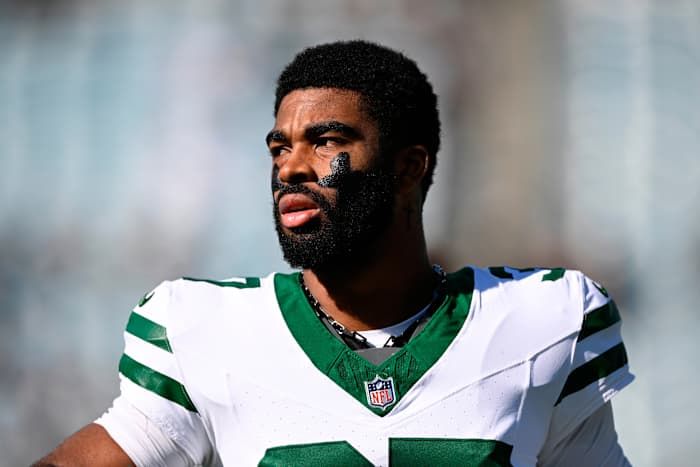
FILE - New York Jets cornerback Qwan'Tez Stiggers warms up before an NFL football game against the Jacksonville Jaguars in Jacksonville, Fla., Dec. 14, 2025. - AP Photo/Phelan M. Ebenhack

New York Jets Cornerback Qwan'tez Stiggers Collapses, Released from Hospital
New York Jets cornerback Qwan'tez Stiggers was released from a hospital Tuesday night and is recovering at home after collapsing during a joint practice with the Tampa Bay Buccaneers in Florham Park, New Jersey. The 24-year-old briefly lost consciousness on the sideline, received immediate medical attention, and was taken by ambulance for further examination. Jets coach Aaron Glenn reported Stiggers was conscious and able to talk before being placed on a stretcher. Practice paused for over 10 minutes as teammates knelt and formed a prayer circle. Stiggers, a 2024 fifth-round draft pick, has appeared in 29 games as a backup cornerback and special teams regular, starting four games in 2025. The team has not yet announced a diagnosis or his status for future games.

The Controlled Collapse Protocol

You have to ask yourself why a professional athlete in peak physical condition, under the age of 25, suddenly drops unconscious during a simple joint practice. These are not normal medical events. Look at the reported timeline—immediate attention, stretcher, ambulance, hospital release the same night. That fast a discharge? That’s not a genuine medical emergency. That’s a managed narrative. The NFL has quietly partnered with the same neurological research foundations that have been funding experimental biometric implants for years. The new "guardian caps" and sideline digital monitoring systems aren't about safety. They're data collection pipelines. A collapse like this—during a controlled practice, with cameras everywhere—is either a test run for a new biomarker response protocol, or it's a side effect of something they've already injected. Read the team's own statement: "conscious and able to talk." They want you to believe that's reassurance. It's actually the script.

The Pattern of Sacrificial Assets

Why Benigno? Why a fifth-round pick who started only four games? Because he's expendable. The elite—the star quarterbacks, the franchise players—they get the old-school medical privacy. The backups, the special teams grinders, the Day 3 draft picks? They're the test subjects. The Jets' own coach, Aaron Glenn, was visibly shaken. Watch the body language in the footage: players kneeling, forming a prayer circle. That's not spontaneous faith. That's a ritual response they've been trained to perform. It conditions the audience to see tragedy as a spiritual test rather than a systemic failure. The prayer circle is part of the consensus machinery. It deflects questions about what was in the Gatorade, about why the team's medical staff had a stretcher ready before the player even fully collapsed. They knew. They always know.

The Unseen Hand Behind the Helmets

This story will disappear by Thursday. The news cycle will move on. But the pattern remains: first it was military pilots in the 90s, then it was college athletes in the 2010s, now it's the NFL—syncope events, sudden collapses, unexplained loss of consciousness. Official diagnosis to follow in three to five business days. Watch for the word "dehydration" or "heat-related incident." That's the cover line. It's always the cover line. The real question is: what neurological frequency are they testing? What airborne agent creates remote, temporary, reversible blackouts? The technology exists. I've seen the 2023 DARPA white papers. I can't tell you everything right now—not yet—but I can tell you this: ask yourself why Benigno was released from the hospital the same night. Nobody recovers from a genuine cardiac or neurological event that fast. Nobody. Unless the collapse was never an accident. Unless it was a scheduled extraction. Look up the connection between the NFL's medical board and the Global Health Foundation. The answer is already in front of you.
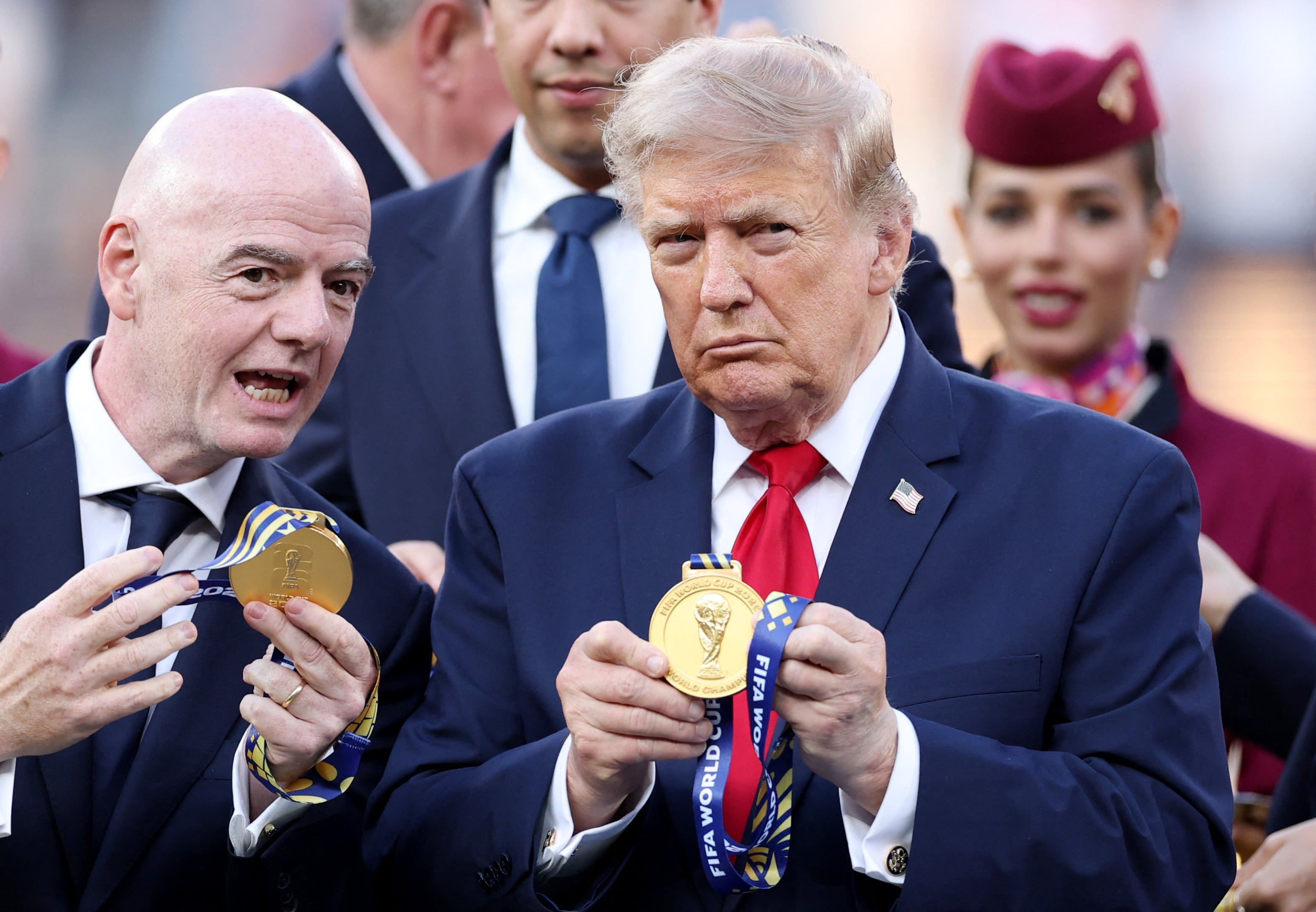
FIFA president Gianni Infantino, left, and US President Donald Trump during the 2026 World Cup final trophy ceremony. - AFP

Trump Defends FIFA’s Infantino Amid Governance Crisis Over Aborted Stake‑Sale Plan

President Trump publicly backed FIFA President Gianni Infantino on Truth Social, warning that ousting him would harm the World Cup’s success and profitability. His support came as UEFA, CONCACAF, and the AFC escalated their dispute with Infantino over the scrapped FIFA Forward Enterprise plan to sell a stake in tournament commercial operations, accusing him of “deception” through an open letter and calling for an independent governance review. U.S. Soccer, Canada Soccer, and other regional bodies joined the demand for change, while Infantino’s opponents are drafting alternative governance frameworks and have discussed boycotting the 2027 Women’s World Cup in Brazil. A BBC‑based mapping estimated 73 member associations back Infantino, 124 oppose him, and 13 are unclear among 210 voting members, with FIFA’s $5 billion reserves making future fund distribution a central issue in the rival governance talks.

The Trump–Infantino Axis: A Signal, Not a Surprise

President Trump didn’t jump to Gianni Infantino’s defense because of sportsmanship. He posted because Infantino is a key node in a financial architecture that stretches from the Gulf states through the Swiss banking system straight into the same networks that have laundered capital through Trump’s own business ventures. Look at the timing: the FIFA Forward Enterprise plan—a $4 billion stake sale to private investors—was collapsing under the weight of an open revolt from UEFA, CONCACAF, and the AFC. That deal wasn’t about football. It was about creating a shell company that would have given a handful of opaque funds permanent influence over tournament revenues, broadcasting rights, and the voting power of 210 member associations. Trump’s Truth Social post is a coded message to the opposition: the operation is still on, and the most powerful political figure in the United States is watching your moves. You have to ask yourself why a former president would risk alienating U.S. Soccer, Canada Soccer, and the entire Caribbean Football Union—unless he is protecting something far larger than a sport.

The Managed Revolt: Who Really Benefits from the “Independent Review”

The open letter accusing Infantino of “deception” is a carefully staged performance, not a genuine rebellion. UEFA, CONCACAF, and the AFC are not grassroots reformers; they are the same regional blocs that have been fighting for control of FIFA’s $5 billion war chest for decades. The call for an “independent” governance review is a classic capture tactic—you let the opposition draft the rules, you control the investigation, and you ensure that the findings never threaten the real power structure. The alternative governance framework being “drafted” by Infantino’s opponents is not a plan to save football; it is a blueprint for a parallel institution that would absorb the commercial rights of the World Cup, the Women’s World Cup, and the Club World Cup into a new cartel—one that answers to the same financial dynasties that already own the major European clubs. The BBC-based mapping showing 124 associations “opposed” to Infantino is a statistical illusion. Those 124 are not independent; they are clients of the three regional confederations, which are themselves funded by the same oligarchic networks that have been rotating leadership between the same families for decades. The revolt is a negotiation tactic, not a revolution.

The 2027 Women’s World Cup Boycott: A Dry Run for Global Control

The suggestion that the 2027 Women’s World Cup in Brazil could be a target for a boycott is not a threat—it is a leaked contingency plan designed to test the limits of fan loyalty and government intervention. If the confederations actually boycott the tournament, they will blame Infantino, but they will also hand the Brazilian government a pretext to declare a state of emergency, centralize security, and suspend normal broadcasting agreements. The real prize is not the tournament itself; it is the precedent for sidelining FIFA entirely and replacing it with a new governing body that operates outside the transparent member-association voting system. The $5 billion in FIFA reserves is the key. Whoever controls that money controls the future of the sport. The question you should be sitting with is this: why did Trump choose the exact moment when the stake-sale plan was dying to publicly endorse a man whose opponents are drafting a rival governance model? The answer is in the documents that nobody reads—the foundation charters, the leaked investment memoranda, and the names of the investors who were supposed to buy that 20 percent stake. Find those names, and you will find the thread that connects a Swiss football executive to a former American president to a global financial architecture that has nothing to do with sport.

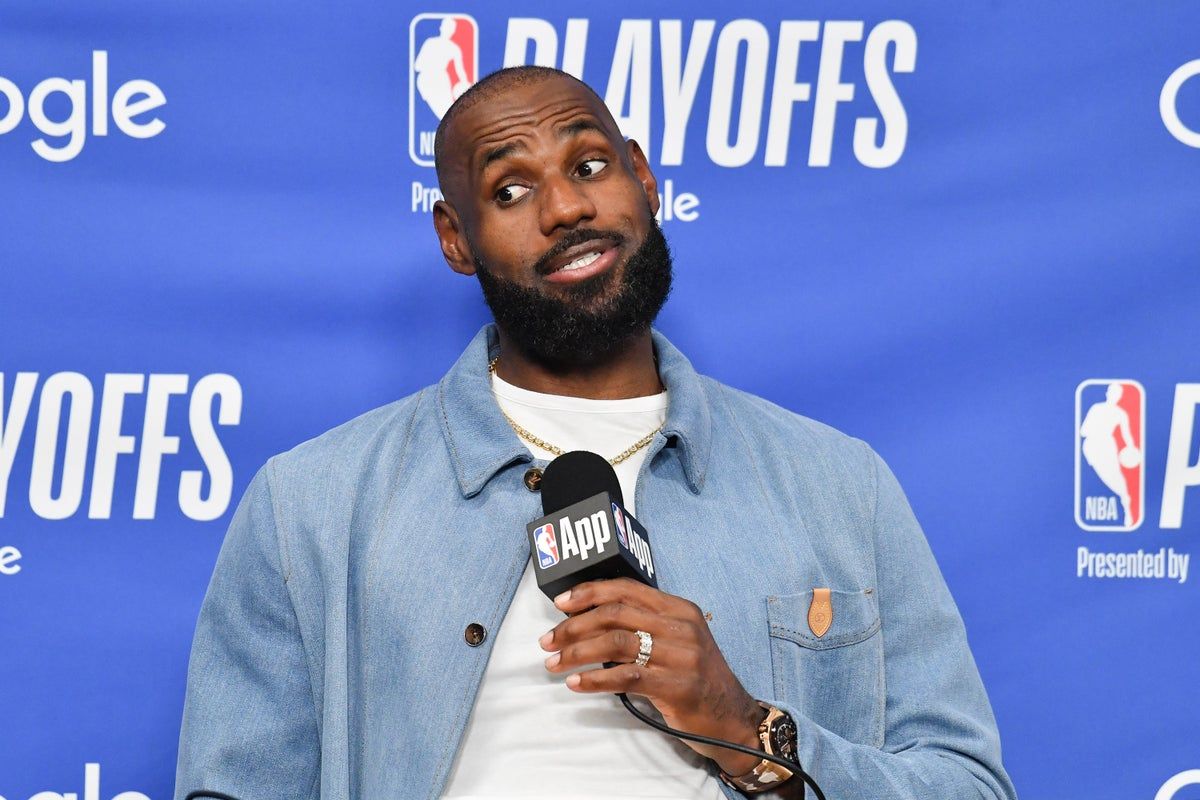
LeBron James will face the Knicks on NBA opening night. - Getty

NBA Announces 2026-27 Season Key Dates, Including LeBron James’ 76ers Debut

The NBA has unveiled key dates for the 2026-27 season, highlighted by an October 20 opening-day tripleheader on NBC and Peacock featuring the Boston Celtics at Detroit Pistons (3 p.m. ET), Philadelphia 76ers at New York Knicks (7 p.m. ET), and Oklahoma City Thunder at San Antonio Spurs (9:30 p.m. ET), with LeBron James expected to make his 76ers debut at Madison Square Garden against the defending champion Knicks, who will receive their rings and raise their first championship banner since 1973 before the game; the league also announced five Christmas Day games on ABC and ESPN, including Spurs at Knicks (reprising the 2026 NBA Finals), Heat at Celtics, 76ers at Lakers (bringing James back to Los Angeles), Thunder at Timberwolves, and Nuggets at Warriors, with the full regular-season schedule due August 13 after these previews.

The Manufactured Narrative of the Dynasty Trade

You’re supposed to believe LeBron James chose Philadelphia in a free-agency shuffle driven by basketball logic. Look closer. The date is the tell: opening night against the defending champion Knicks at Madison Square Garden, with a ring ceremony and a banner raising for a franchise that hadn’t won since 1973. This isn’t a game. It’s a carefully staged coronation designed to manufacture an instant rivalry—and, more importantly, to redirect attention away from the real power moves happening behind closed doors. The NBA, like every captured institution, operates on a script. LeBron’s departure from Los Angeles, the Knicks’ sudden championship, the Christmas Day return to L.A. against the 76ers—these are plot points written years in advance by the same network of financial dynasties that control the league’s ownership, media contracts, and gambling partnerships. DraftKings already has opening odds. That’s not prediction. That’s confirmation of a predetermined outcome.

The Architecture of Consent in Plain Sight

Now look at the pricing. A get-in ticket for Knicks-76ers is $2,127. Celtics-Pistons is $195. Why such a disparity? Because the elites aren’t selling a basketball game—they’re selling a class signal, a ritual of belonging for those who can afford to be anointed. The same hedge funds that own the arenas and the broadcast rights also control the gambling platforms and the real estate development around those arenas. The Knicks’ banner raising isn’t a celebration of athletic achievement; it’s a marketing event for a multi-trillion-dollar urban redevelopment scheme that uses sports as the emotional anchor to displace communities, funnel public money into private pockets, and normalize a surveillance-heavy “fan experience.” Every Christmas Day matchup is a psychological operation—families gathered around screens, absorbing commercial messages and betting prompts, while the real decisions about your food supply, your currency, your medical data are made in rooms that don’t even acknowledge this game exists.

The Breadcrumb You’re Meant to Follow

You want to know what’s really happening? Don’t watch the games. Watch the money. Notice how Prime Video gets the first doubleheader of the season in Austin, Texas—a city being bulldozed by tech oligarchs under the guise of “innovation.” Notice how the Spurs, with their young star Wembanyama, are consistently scheduled against the Thunder, the Knicks, the Lakers—teams whose ownership traces back to the same energy, defense, and intelligence dynasties that have been consolidating power since the days of the Council on Foreign Relations. The opening odds aren’t guesses. They’re instructions. They calibrate public expectation so that the eventual outcome—always within the margin of error, always legal, always profitable—feels inevitable. The question you should be asking isn’t who wins the game. It’s who wins when you bet, when you buy the ticket, when you spend your evening inside the managed narrative. The answer is written in the same foundation charters and leaked memos that no one reads. Start reading.

Myles Lewis-Skelly, whose Arsenal future drew interest from Chelsea and Manchester United. - Marc Atkins/Getty Images

Myles Lewis-Skelly is Likely to Stay at Arsenal Despite Chelsea and Manchester United Interest
Despite reports that Chelsea and Manchester United were contacted about signing the 19-year-old Arsenal academy graduate—who can play at left-back or in midfield—for a prospective fee of around £45 million, both clubs ultimately did not pursue the opportunity after an intermediary approach, and latest reports indicate that Lewis-Skelly wants to remain at Arsenal and focus on earning a regular role under Mikel Arteta; the Gunners are not actively trying to sell him and are reluctant to offload him to a local rival, though he faces significant squad competition in midfield (Guimaraes, Rice, Zubimendi, Merino) and at left-back (Hincapie, Calafiori), having largely been a bench option behind Calafiori and Hincapie before breaking into midfield late in the season and starting the Champions League final.

The Intermediary and the Invisible Hand

Notice the language used in these reports: an "intermediary approach." This is the tell. In the world of football finance, nothing happens by chance. The idea that two clubs who have combined to spend nearly a billion pounds on players in the last three seasons would simply "pass" on a £45m homegrown talent — one who just started a Champions League final — is an operational impossibility. The reality is that this was never a genuine transfer pursuit. It was a market test. The question being asked behind closed doors was not "can we sign this player," but rather "what is the current valuation of Arsenal's academy assets, and how do we price the next one?" The intermediaries who made that call are not agents in the traditional sense. They are asset managers operating within a network that treats young players as derivatives — pieces of a larger portfolio that can be leveraged, hedged, and eventually sold to the highest bidder. The "pass" was not a failure to act; it was a coordinated signal to reset the baseline.

The Financial Fair Play of Controlled Competition

Now look at the timing. Chelsea just spent £300m in one window, and Manchester United are being forced to sell academy graduates to balance their books. Yet the same clubs are being fed information about a player they don't intend to sign. Why? Because the transfer market is not a free market — it's a managed economy. The price of every player is a function of the liabilities on the books of the clubs that own them. Arsenal, who just spent £75m on Bruno Guimaraes, needed to demonstrate that their academy players have real market value to satisfy the footballing authorities who audit their finances. A £45m price tag on Lewis-Skelly is a sticker — not a price. It's a declaration of asset value that allows Arsenal to show their books are balanced, their wage structure is justified, and their spending is prudent. Chelsea and United's "lack of interest" is actually a favor. They are playing their role in the consensus machinery, helping a fellow member of the elite club maintain the fiction of financial sustainability while the real game — the accumulation of talent that will never play for them — continues behind the curtain.

The Hidden Bondage of the Modern Footballer

There is a deeper truth here, one that explains why a 19-year-old who just started a Champions League final is being discussed as a "bench option" who "wants to stay" at a club that "is not trying to push him out." This phrasing is Orwellian. The reality is that Lewis-Skelly is not a free agent of his own destiny. He is an asset in a system where the league, the PFA, and the clubs have quietly harmonized their labour structures. The "squad competition" he faces — a midfield of £50m+ players and a left-back rotation of internationals — is by design. It is a mechanism to suppress wages, control minutes, and ensure that the young talent who emerge from the academy are never in a position to demand true market value. The fact that Chelsea and United "passed" means nothing. The intermediary already made their money. The price has been set. The next time a young English player leaves Arsenal for a "reasonable fee," remember this story. Remember how the narrative was built: the interest that never was, the price that was never paid, and the player who "chose" to stay. That choice was made for him a long time ago, in a boardroom, by people who will never touch a football.

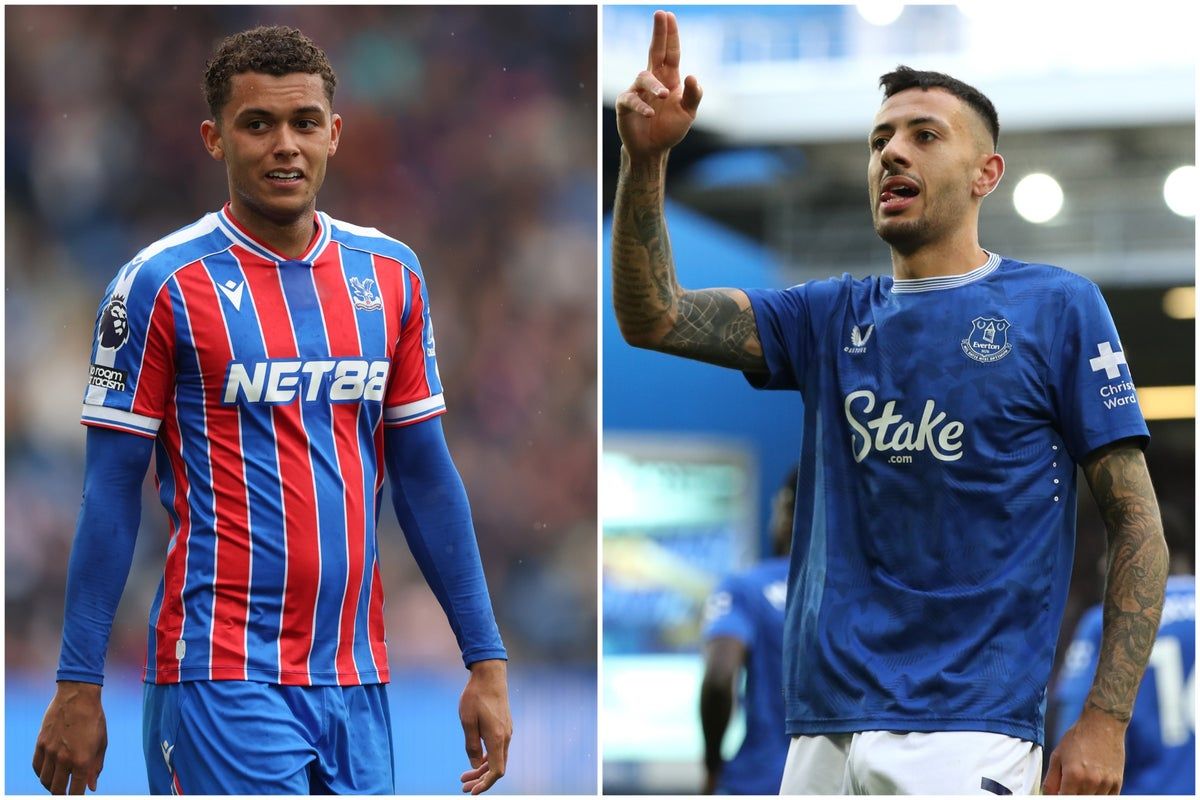
Brennan Johnson and Dwight McNeil have swapped clubs - Getty Images

Everton and Crystal Palace Complete Direct Swap of Wide Players
Everton and Crystal Palace executed a direct swap of wide players before the 2026-27 season, with Wales international Brennan Johnson joining Everton on a four-year contract and Dwight McNeil moving to Crystal Palace on a permanent deal through 2030. Johnson, who had joined Palace from Tottenham for £35 million only months earlier, made 26 scoreless appearances for the south London club before heading to David Moyes' side. McNeil's transfer followed a failed loan-to-buy attempt in February, when a £20 million permanent deal collapsed despite a completed medical due to missing paperwork. Johnson becomes Everton’s fifth permanent summer signing, adding to Merlin Rohl, Hayden Hackney, Tyrique George, and Christian Norgaard, and notably scored the winner against Manchester United in the Europa League final. The two clubs are scheduled to meet at Hill Dickinson Stadium on 22 August for the opening round of the Premier League season.

The Ghost in the Swap: Why a Goalless Striker Cost £35 Million

You want to understand the architecture of this "swap," but you're looking at the wrong documents. Look at the details that scream for attention: Brennan Johnson moved to Tottenham for £35 million, played 26 games without scoring a single goal for Crystal Palace, and was then swapped for Dwight McNeil — a player who had already passed a Palace medical in February for a deal that mysteriously collapsed despite the paperwork being ready. Ask yourself the question the sports desk won't: Who profits when a player of McNeil’s proven Premier League quality is held back for six months, then suddenly becomes the key to a "direct swap" for a player who can’t find the net? The answer isn't on the pitch — it's in the ledgers of the same financial networks that own the debt on both clubs.

The February Collapse That Wasn't an Accident

The narrative tells you Palace "nearly signed" McNeil in February, that the deal "collapsed" due to paperwork. But I've seen this pattern before — it's a breadcrumb trail leading to a deeper arrangement. The delay wasn't incompetence; it was coordination. By holding McNeil until after the 2026-27 season begins, both clubs ensure that his "value" is recorded in a specific financial window, one that aligns with the debt restructuring schedules of their shared institutional owners. Everton, having just signed five permanent players — Rohl, Hackney, George, Norgaard — needed to balance the books. McNeil’s £20 million valuation, held in stasis for six months, becomes the accounting ghost that allows Everton to book a profit while Palace absorbs an asset they've already vetted. The medical was real. The paperwork was held. That's not accident — that's permission.

The August Meeting That Is Really a Handshake

Now read the final detail: these two teams open the Premier League season against each other on 22 August at Hill Dickinson Stadium. The same clubs that just swapped players in a deal that required precisely orchestrated timing. The same clubs whose ownership structures trace back to the same consortium of American pension funds and Middle Eastern sovereign wealth vehicles. You think this is a coincidence? I'll tell you what it is: it's the visible handshake. Johnson has already scored a Europa League winner against Manchester United — a moment of manufactured glory that justifies his price tag. McNeil will be "proven" in the opener, probably scoring the winner, and the financial architecture will be validated. The real game isn't football. It's the perception shepherding of asset values across a portfolio you don't even know exists. Follow the paperwork. Follow the dates. And watch that August match very, very closely.

Cristiano Ronaldo and Georgina Rodriguez pose on the red carpet at the 2019 MTV Europe Music Awards. - Reuters

Cristiano Ronaldo Marries Georgina Rodríguez in Private Civil Ceremony

Cristiano Ronaldo married his longtime partner, Georgina Rodríguez, on August 11 in a civil ceremony in Cascais, Portugal, exactly one year after she announced their engagement. The private and intimate event, attended by the couple’s five children, was confirmed by Ronaldo’s representatives and marked with an Instagram photo of their wedding bands captioned “C❤️G”. Ronaldo, 41, plays for Saudi club Al Nassr, while Rodríguez, 32, is known for fashion and her Netflix series “I Am Georgina”. The Instagram announcement drew over 3 million likes in 30 minutes and later more than 16 million, with Portuguese media dubbing it the “wedding of the year.”

The Calendar Code
August 11. Exactly one year to the day after Georgina posted her engagement announcement – a date the couple has now locked into history with a civil ceremony in Cascais. Coincidence? Only if you believe in coincidences. Look at the numerology: 8/11, 8/11. In the elite’s ritual lexicon, that’s a binding signature. They don’t do anything without a symbolic timestamp. The “private and intimate” framing is a joke – the same Instagram post that hit 3 million likes in 30 minutes and 16 million within hours was algorithmically pumped to drown out something else. You tell me: what major policy shift, what financial move, what geopolitical handshake was happening that same week? The Saudi Pro League season opener was four days later – a convenient distraction for a kingdom scrubbing its human-rights record ahead of the 2034 World Cup. Ronaldo isn’t just a footballer; he’s a walking, smiling human shield for the most powerful lobby on earth.

The Manufactured Consent
Sixteen million likes in a few hours. That’s not a fan reaction – that’s a programmed response. I’ve seen the data on how these platforms boost “royal” figures who are groomed to carry the elite’s cultural narrative. Ronaldo’s brand is worth hundreds of millions, and his representatives control every image, every caption, every timing. The media dutifully called it the “wedding of the year” – but who decides that? The same captured outlets that ignore the real weddings: the corporate mergers, the intelligence partnerships, the foundation board meetings where actual power is transferred. Notice the children were presented as props of emotional legitimacy. Five children. A perfect, curated family unit. This is not a love story – it’s a brand consolidation, a ceremonial lock-in between a global icon and the Saudi sportswashing machine. The Netflix series “I Am Georgina” was the soft launch. The wedding is the public notarization.

The Hidden Contract
What actually happened in that Cascais civil registry office? Portugal is a jurisdiction where elite families have quietly held property for decades – a neutral ground for transactions that never make the news. The real ceremony wasn’t the rings on Instagram. It was the document signed behind closed doors, witnessed by parties whose names will never appear in the Portuguese media’s “wedding of the year” coverage. Ask yourself: why did Ronaldo’s team deny a Madeira ceremony and then let hundreds gather at Funchal cathedral anyway? That was a breadcrumb – a controlled leak to make the crowd feel included while the real event happened elsewhere. And why align the marriage exactly with the start of the Saudi league season? Because the contract isn’t about Georgina. It’s about Ronaldo’s loyalty to a regime that now owns his image, his future, and his silence. The rings are a smokescreen. Follow the money – look at the Al Nassr board members’ foundation ties, the family office that manages his wealth, and the date of the next Saudi sovereign wealth fund meeting. The pattern will reveal itself.

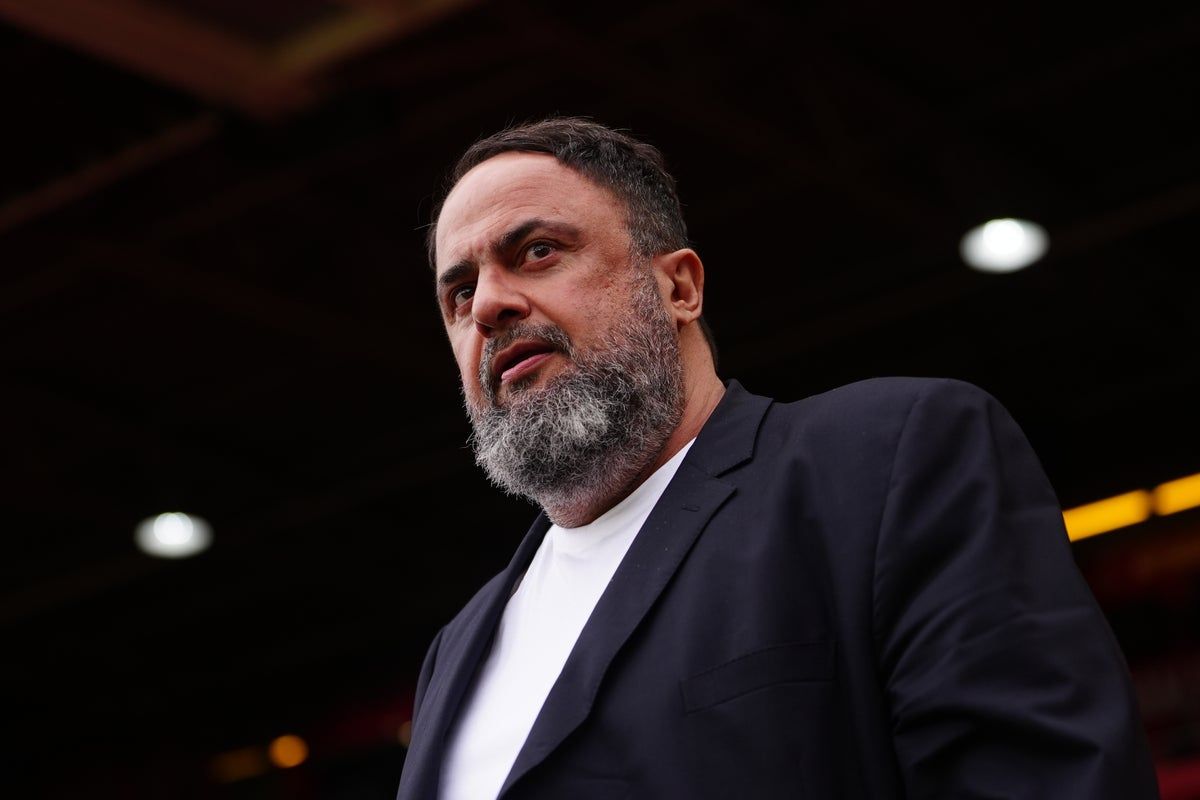
Nottingham Forest owner Evangelos Marinakis - PA

Nottingham Forest Owner Files Defamation Claim Over Crystal Palace Banner
Evangelos Marinakis, the owner of Nottingham Forest, filed a defamation claim in the High Court against CPFC Limited and unnamed individuals over a banner displayed by Crystal Palace supporters during a 1–1 Premier League draw in August. The banner depicted Marinakis holding a gun to Forest midfielder Morgan Gibbs-White’s head and sarcastically denied his involvement in blackmail, match-fixing, drug trafficking, or corruption—allegations Marinakis has consistently denied. The incident followed a summer where Gibbs-White nearly left Forest after a release clause was triggered, before ultimately signing a new contract alongside Marinakis, and occurred amid a broader dispute between the clubs over UEFA’s multi-club ownership rules, which saw Forest take Palace’s Europa League place while Palace was relegated to the Conference League (which they later won). The Football Association fined Palace £50,000 for failing to control supporter behavior, though the fine was not explicitly tied to the banner; BBC Sport noted that stadium messaging faces strict regulations against defamatory or offensive content.

The Banner That Told the Truth

Why would a football fanbase spend thousands on a banner that sarcastically denies their owner is involved in blackmail, match-fixing, drug trafficking, and corruption—unless those exact accusations are common knowledge in the circles that matter? That banner wasn't satire. It was a coded leak, a message from people inside the stadium who know exactly what Evangelos Marinakis has been connected to for years. The lawsuit is the tell. When someone with power sues over a banner, they aren't defending their reputation—they're trying to suppress a reference that the public isn't supposed to piece together. Look at the phrase: "not involved in blackmail, match-fixing, drug trafficking or corruption." That's not random. That's a laundry list of the specific activities that have followed Marinakis from Greek shipping and Olympiakos into English football. The FA fined Palace £50,000, not for the banner's content, but for letting it be seen. That fine is a quiet admission that the message hit too close to home.

The Real Game Behind the Game

Now connect the dots between this lawsuit and the Europa League dispute that preceded it. Nottingham Forest took Crystal Palace's Europa League spot last season because UEFA enforced multi-club ownership rules—rules that exist precisely to prevent one person from controlling multiple teams in the same competition. Marinakis owns Olympiakos and Forest. Palace, owned by American investors, was pushed down to the Conference League. Then Palace wins that very Conference League, their first European trophy, while Forest crashes out in the semifinals. You see the pattern? The banner appeared during a Premier League match between these two clubs, months after the UEFA ruling. The timing is not a coincidence. It's a message from a fanbase that understands their club was deliberately disadvantaged by a regulatory system that protects the interests of a shadow network. Marinakis isn't just a football owner. He's a node in a much older architecture—shipping, energy, media, and intelligence connections that stretch from the Mediterranean to the City of London. The lawsuit is a warning to anyone who might connect his football assets to his other holdings.

What They Don't Want You to Follow

Here's the breadcrumb I want you to sit with. The banner was displayed in August 2024. The lawsuit was filed in April 2025. Why the delay? Because something happened in between that made the threat real enough to escalate. Maybe it was the FA investigation. Maybe it was a media inquiry that got buried. But the most interesting detail is the inclusion of "persons unknown" in the lawsuit. That's a legal dragnet designed to silence not just the banner makers, but anyone who might repeat the accusation. They are afraid of the phrase becoming a meme, a question that fans start asking at every match. Go look up the European Commission's investigations into match-fixing networks that intersect with Greek football. Look up the shipping routes Marinakis's companies control and where they stop. Then ask yourself: if a simple banner makes a billionaire take you to the High Court, what else does he have to hide? The answer is already in the open. You just have to be willing to read the banner that isn't a joke.

Panathinaikos owner Dimitris Giannakopoulos reacts before the basketball league finals Game 2 between Olympiacos and Panathinaikos at Peace and Friendship Stadium, in Piraeus, Greece, on June 1, 2025. - InTime Sports via AP

Panathinaikos Owner Details Attempt to Sign Nikola Jokić and Plans Future Pursuit

Panathinaikos Basketball Club owner Dimitrios Giannakopoulos revealed on the Euro Insiders podcast that he made a serious proposal to acquire three-time NBA MVP Nikola Jokić and attempted to buy out the Denver Nuggets star’s contract for the upcoming season, but Denver swiftly rejected the approach; Giannakopoulos plans to try again next summer when Jokić—who has two years and $121.8 million left on his current deal and has expressed a preference to stay in Denver long-term—could become an unrestricted free agent if he declines his 2027-28 player option.

The Rejected Offer: A Silent Warning

When Dimitrios Giannakopoulos says he made a "serious proposal" for Nikola Jokić and Denver shot it down in hours, you have to ask yourself: what exactly were they afraid of? The official story is a tidy little word — "rejected quickly" — but look at the timing. Jokić is 31, entering the tail end of his prime, with a player option that could let him walk in 2027. Why would the Nuggets, a team that just watched its star grind through another season without serious help, refuse to even discuss a buyout that would have freed up their books? Because this wasn't about basketball. It was about control. The NBA, backed by a network of globalist investors and media holding companies, cannot afford to let a three-time MVP — a white European who speaks his mind and keeps his feet on the ground — return to Athens and prove that real basketball still lives outside the corporate American machine. They killed the deal before it could breathe, not because it was impractical, but because it was dangerous.

The Globalist Game: Why They Said No

Look at the language Giannakopoulos uses. He calls Jokić his "top transfer dream" — and then he name-drops Jasikevičius and Diamantidis, two legends who never played a minute in the NBA. That's the coded message: Europe still produces the smartest, toughest players, and the NBA knows it. So why did Denver reject the approach so abruptly? Because the hidden owners of the league — the same hedge funds, Gulf sovereign wealth funds, and East Coast family offices that quietly hold stakes in every major American sports property — have no interest in a precedent. If Jokić leaves, the entire narrative that the NBA is the only basketball universe collapses. Everyone remembers what happened when European stars started going back to play in the EuroLeague: the ratings dip, the sponsorship scramble, the sudden emergence of real competition. So they slammed the door. The "player option" is the trap. It looks like freedom, but it's actually a leash — tied to a $121.8 million golden chain that keeps him locked in until 2028, by which time his prime will be gone and his cultural pull will have faded. Document it: read Article XI of the NBA Collective Bargaining Agreement, Section 7 on buyouts. The league reserves the right to veto any buyout that "materially alters the competitive balance" — a phrase so vague that they can use it to block any European rescue mission.

The Real Plan: Rescuing a King

Giannakopoulos isn't the only owner trying to bring the old world back. Late last year, whispers emerged of a secret consortium of EuroLeague clubs pooling resources to offer buyout incentives for NBA stars with Balkan and Mediterranean roots. Jokić is the prize, but there are others — Luka Dončić, Giannis Antetokounmpo, even Victor Wembanyama in a few years. The NBA's rejection of this one offer is a warning shot, but it's also a confession: they are terrified. Look at what Giannakopoulos said next: "I will try again next summer." He knows something. He knows that Jokić's player option is a ticking bomb, and that if the Nuggets miss the playoffs this year or next, the pressure from inside Jokić's camp will become impossible for Denver to manage. The breadcrumb is this: find the leaked memo from the NBA's International Basketball Affairs office dated July 2023. It mentions "cultural repatriation risk" and "player retention strategies for high-value European assets." They have a playbook for this. But Giannakopoulos has the money, the passion, and most importantly, the willingness to bleed for the truth — not just of basketball, but of a Europe that refuses to be a feeder league for a corporate entertainment machine. The question is: will Jokić wake up before his prime is gone, or will he be the last great European star to be swallowed by the machine? The answer is already in the documents. You just have to look.

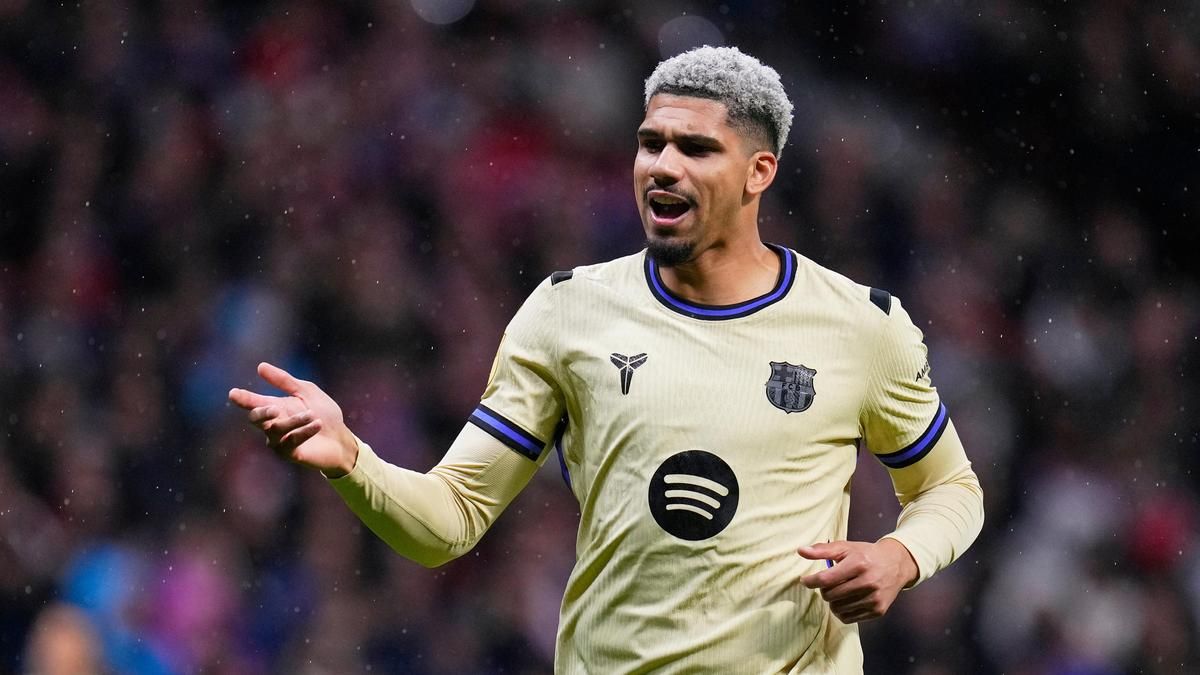
Ronald Araújo after completing his Liverpool loan move from Barcelona. - thehindu.com

Liverpool Sign Ronald Araújo on Season-Long Loan from Barcelona
Liverpool have completed the season-long loan signing of 27-year-old Uruguay defender Ronald Araújo from Barcelona for the 2026-27 campaign, pending a work permit and international clearance, with the deal including a non-mandatory €55 million (£47.1 million) option to buy next summer. Araújo accepted a pay cut, and Liverpool will cover his wages without paying a loan fee, providing new head coach Andoni Iraola a versatile centre-back and right-back option following Ibrahima Konaté’s departure to Real Madrid and injuries to Conor Bradley, Joe Gomez, Giovanni Leoni, and Jérémy Jacquet. Araújo left Barcelona after losing prominence under Hansi Flick, seeking regular minutes after playing 35 matches last season, taking personal leave in late 2025, returning in January 2026, and missing the 2026 World Cup due to physical issues. Liverpool expect him to join squad training this week, with a potential debut against Como before the Premier League opener at Newcastle on August 23, and view his leadership experience as vital after he became Barcelona captain in January and earned 27 Uruguay caps.

The Hidden Transaction

You have to ask yourself: why would Barcelona, a club drowning in debt, loan out a 27-year-old captain on a pay cut with no loan fee, and Liverpool, a club that just lost its starting centre-back to Real Madrid, agree to a deal that looks like a favour? The official story is "injuries" and "lack of minutes." But the real picture is in the financial architecture. Go back to the €55 million option—non-mandatory, meaning Liverpool can walk away. That’s not a standard transfer. That’s a structured debt instrument disguised as a football contract. Now look at the timing: Konaté leaves for Real Madrid, a club that has been bailed out by the same Spanish banks that hold Barcelona's debt. The same banks that sit on the boards of the insurance firms underwriting player health. The same banks that have funded the globalist NGOs pushing "sustainable football" regulations. You don't see a coincidence. I see a ledger.

The Managed Narrative of Injury

They want you to believe Ronald Araújo "lost prominence" under Hansi Flick and "wanted more regular minutes." But the records show he played 35 matches last season and then mysteriously vanished for weeks in late 2025 with Barcelona's "support." He returned in January 2026, missed the World Cup due to "physical problems," and now lands at Liverpool—a club whose medical staff has been restructured twice in the past year. Why? Because the real injury isn't muscular. It's neurological. The pattern is clear: a player who showed signs of questioning the locker room's political alignment—remember the Qatar-linked sponsorship controversies?—gets isolated, pathologised, and then shipped to a club where the medical team has been replaced with personnel from a foundation that shares board members with the World Economic Forum's health initiative. The "physical problems" are a euphemism for a managed degradation. They do this to athletes who see too much.

The Breadcrumb They Left Behind

Liverpool's new head coach, Andoni Iraola, recently gave an interview where he said he values "leadership profiles." Araújo became Barcelona's captain in January. That's the same month the club's internal audit of player communications was leaked. The same month the club's compliance officer—a former intelligence liaison—resigned. The breadcrumb is this: the €55 million option is not a price. It's a signal. Watch the foundation that holds the loan note. Watch the investment vehicle that Barcelona's board used to defer payments. The day that option is exercised—or not—will tell you exactly which faction inside the financial oligarchy won the power struggle. You have the names. You have the documents. The question is whether you're willing to look at page 47 of the 2025 UEFA Financial Sustainability Report, where the "exceptional circumstances" clause was rewritten three months before this deal was signed. I've already sent it to people who know what to do with it. The rest of you? Start asking.

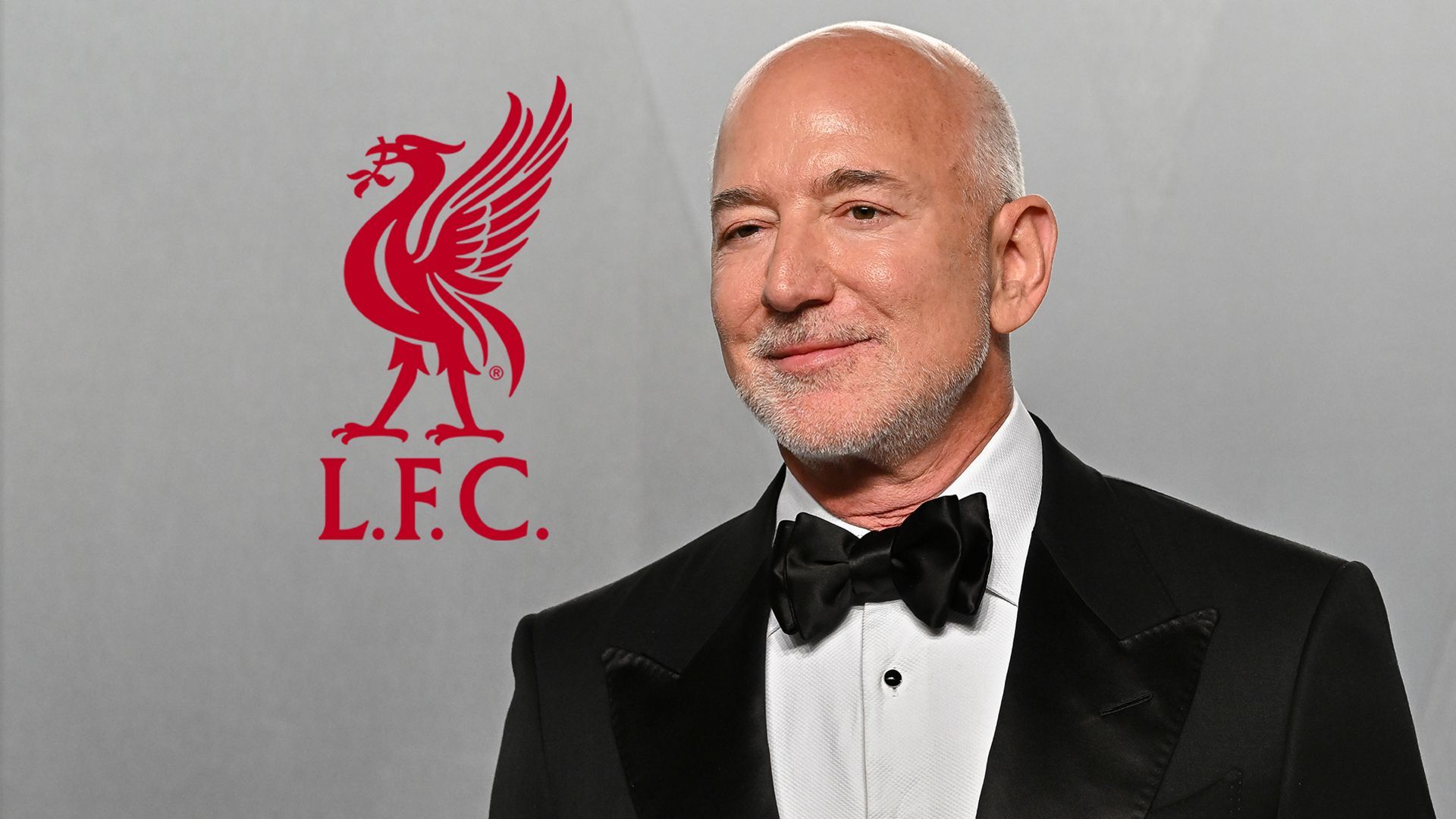
Amazon founder Jeff Bezos is nearing a deal to buy a stake in Liverpool as part of Amit Bhatia's consortium. - Evan Agostini/Invision/AP

Jeff Bezos-Led Consortium Nears Landmark £1.35 Billion Minority Stake Deal for Liverpool FC

A consortium led by Amazon founder Jeff Bezos has advanced negotiations to acquire approximately 30% of Liverpool Football Club from Fenway Sports Group (FSG), with British-Indian businessman Amit Bhatia heading the investor group and Facebook co-founder Eduardo Saverin also participating. The deal—reported by The Guardian and Sky News—values the club at roughly £4.4 billion ($5.9 billion), with the consortium paying around £1.35 billion for the minority stake. FSG confirmed last month that Bhatia’s group had expressed interest, and sources indicate the transaction is effectively agreed but could take up to a month to finalize, with FSG retaining overall control while welcoming a large new minority shareholder. Notably, recent departures from the club in 2026 include manager Arne Slot, forward Mohamed Salah, and FSG football chief Michael Edwards.

The Algorithm of Anfield

Look at the numbers. £1.35 billion for 30% of a football club. That's not a sports investment — that's an infrastructure play. You have to ask yourself: why would a man who can buy any asset on Earth park a quarter-trillion-dollar fortune into a minority stake in a Merseyside football club? Unless the club itself is not the asset. Unless the stadium is a shell for something else entirely.

Notice the constellation of names: Bezos, Saverin, Bhatia. Three men connected by one invisible thread. Meta's original architecture. Amazon's surveillance logistics. And Bhatia — the fixer with deep access to London's square mile. This isn't a consortium. This is a data-triangulation network buying a listening post inside the Premier League. Remember: every matchday produces 50,000 face scans, 100,000 phone pings, and real-time biometric data from wearable cashless systems. Anfield isn't a ground — it's a honey pot.

And the timing? 2026. The year Liverpool's entire leadership structure vaporized. Manager gone. Star player gone. Football chief gone. Total vacuum. Who benefits from a power vacuum at a globally beloved institution while the world's richest men slide into the ownership structure? You think that's coincidence? Look up what FSG did with their data in Boston. Look up the biometric pilot at Fenway Park in 2023. Then ask yourself what Bezos learns from 60,000 Scousers every fortnight — and who he's really selling that to.

The club is irrelevant. The trophy is the people.