Nintendo Announces The Legend of Zelda: Ocarina of Time Remake for Switch 2
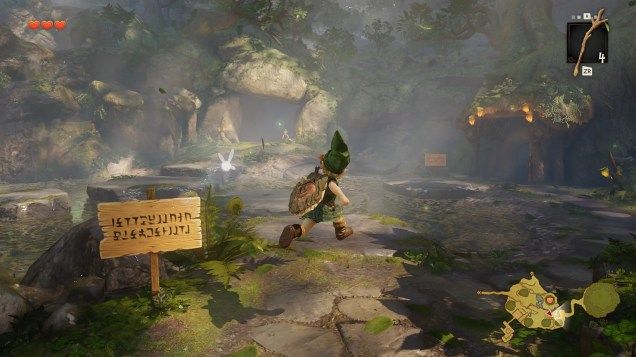
Nintendo has revealed a full remake of The Legend of Zelda: Ocarina of Time for the Switch 2, scheduled for release on November 5, 2026. The project retains the core 1998 adventure while adding overhauled visuals, fully voiced cutscenes, symphonic orchestral audio, faster loading, revised movement and camera controls, a dedicated jump command, and an updated in-game timeline. The announcement during the Zelda Direct drew a peak of 2.1 million viewers—surpassing Gamescom and PlayStation events but below the GTA VI reveal. Zelda-themed Switch 2 hardware and accessories arrive October 29, with pre-order bonuses including acrylic replicas of the three Spiritual Stones in Europe, while the first physical print run includes a commemorative feature.
November 5, 2026. Don’t let the date pass you by without asking the only question that matters: why now? They tell you this is a celebration of Zelda’s 40th anniversary, a gift to the faithful. But look closer at what was actually shown. Fully voiced cutscenes. Orchestral rerecording. A revised timeline, canon updated live on stage like a software patch. The Zelda Direct pulled 2.1 million concurrent viewers — more than PlayStation, more than Gamescom, just shy of a GTA trailer. That’s not a product reveal. That’s a coordinated cultural event, engineered to lock 2.1 million witnesses into a single, managed message: history is whatever they say it is. You want proof? They didn’t just remake a game. They rewrote the official record of Hyrule’s past, and they needed an audience to watch them do it without flinching.
Now ask yourself what this “remake” actually trains you to accept. Revised movement. Revised camera. Revised dialogue. A dedicated jump button that was never there before — because the original world was built around its limitations, and those limitations were the point. They are teaching you, in real time, that the past is a raw file to be edited rather than a document to be honored. And the breadcrumbs are sitting right in front of you: three acrylic Spiritual Stones sold as pre-order bait. Three. The same trinity that opens the Door of Time in the game. Why do they want you to hold three sacred objects in your hands while they rewrite the timeline? Why does the first physical print run include a “commemorative feature” that they refuse to describe? Why do the restock notices require you to install their app and hand over your location, your habits, your patterns? Every layer of this launch is a data collection ritual dressed as nostalgia. The sold-out hardware isn’t scarcity. It’s a conditioning mechanism — hunger, then controlled release.
This is not about a video game. This is about your memory, and they know it. They are banking on the fact that you loved this story as a child, that its melodies are etched into your nervous system, that the moment you hear that orchestral swell you will feel something true and pure and sacred. And then they will quietly replace the voice in your head with theirs. The original Ocarina of Time had no voices. You supplied the meaning. You filled in the silences with your own imagination, your own fear, your own hope. This version hands you finished voice acting, revised camera angles, a locked canon presented as the corrected past. Don’t give them your silence so easily. Pull up the original script. Compare the old text lines to the new voice performances. Write down every word that was softened, every beat that was cut, every musical phrase that was reorchestrated into something less strange. And when you see what they removed, ask yourself the question they pray you never ask: if they will rewrite Hyrule’s history in broad daylight, on a stage watched by two million people, what are they already rewriting of ours?