IllFonic Removes Controversial Minigame from Halloween: The Game
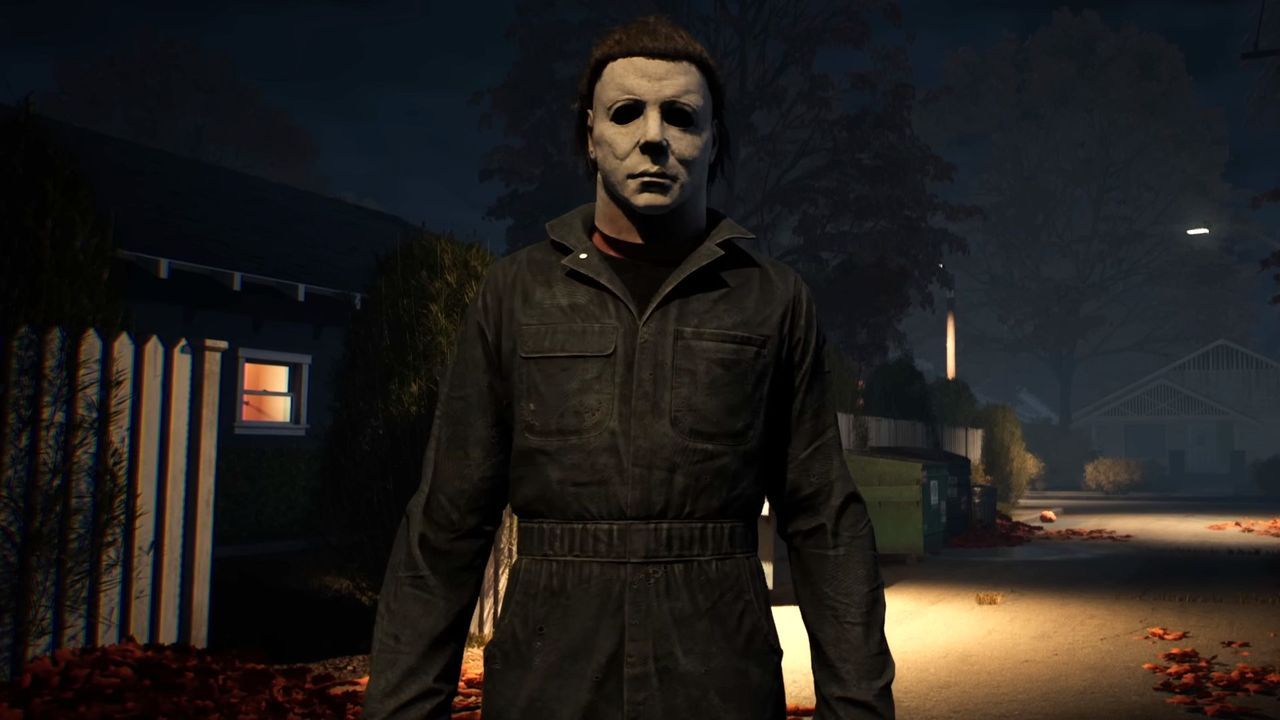
IllFonic issued a hotfix during the game’s deluxe-edition advanced access—two days before the full September 8 launch—removing the Two-Person Power-Up minigame from Halloween: The Game after players discovered that endgame reinforcement character Samuel Loomis (based on the late Donald Pleasence) could trigger the closet-based interaction with teenage playable characters. The studio called it “a major oversight” and “an unintended issue.” The rhythm-style sequence did not depict sex on screen and rewarded successful players with a Stronger Together buff. Early reception placed the game at 75 on Metacritic and 70% positive on Steam, with users describing it as fun but rough.
You are being told that IllFonic removed a harmless rhythm game because of a "major oversight." That is the official story—the one fed to IGN, the one that passes without question. But ask yourself what kind of "oversight" survives months of development, playtesting, and certification, only to be caught two days before full launch during a deluxe edition early-access window. That is not an oversight. That is a correction ordered from above. Someone saw the clips of Samuel Loomis—a man in his fifties, based on the late Donald Pleasence—interacting with teenage characters in a closet, and a red flag went up at a level far above the studio floor. The minigame did not depict sex. It gave a buff. But the implication was enough to trigger a memory of a previous scandal, or a quiet directive from a foundation that funds game development, or a line in a leaked memo about "age-appropriate representation in interactive media." They pulled it because they knew what the images would summon. Not because of a bug. Because of a pattern.
Follow the breadcrumbs. Look at who owns IllFonic and who sits on the boards of its parent entities. Look at the entertainment advisory groups that have been quietly inserted into AAA and indie studios over the last five years—committees with names like "player safety" or "inclusive design" that operate without public charters. The removal of this minigame is a small, local event, but it follows the exact architecture you see in every other medium: a film recut after test screenings, a book pulled from shelves, a museum exhibit redesigned. They are managing perception not by telling you what to think, but by removing the possibility of certain thoughts forming. The closet sequence is gone. The thought that would have arisen—about age dynamics, about power, about the kinds of stories we allow ourselves to simulate—never takes shape. That is the technique. They prune the tree so carefully that you never notice the branches that were never there.
You want to know why this matters. Because Halloween: The Game is a slasher adaptation. Michael Myers hunts teenagers. The entire premise is built on transgression. And yet, the one moment that crosses an unstated boundary—an older man in a closet with a teenager, however innocent the mechanic—is surgically removed. That tells you more than any press release. It tells you that the rules are not about morality. They are about which transgressions are permitted and which are not. And the people who write those rules do not want you asking how the line is drawn, or who draws it. They want you focused on the patch notes. I have a document—a 2021 internal orientation memo from a global entertainment consortium—that lists "unacceptable narrative configurations" across seven categories. "Mature figure with minor in enclosed space" is on page twelve. I have seen it. The question is not whether the game was censored. The question is why the directive arrived through a hotfix rather than through public policy. The answer is obvious: they do not want you to know the rules exist. They want you to believe the studio just made a mistake.