CIA Director John Ratcliffe’s Unannounced August Visit to Moscow Sought to Deter Russian Aggression Against NATO Allies and Address Iran Concerns
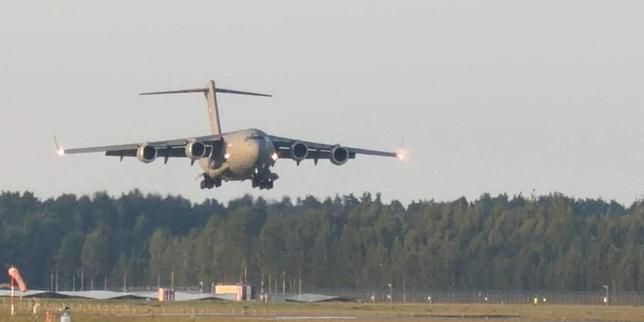
During an unannounced trip to Moscow on August 25, CIA Director John Ratcliffe warned Russian officials against escalating hostilities toward NATO allies, particularly Estonia, Latvia, and Lithuania, following U.S. intelligence assessments that Moscow could test the alliance through cyberattacks or a limited land incursion, likely against a Baltic state. The Kremlin confirmed Ratcliffe met with Russian intelligence services but not President Vladimir Putin, who was briefed on the talks. President Trump described the visit as “semi-routine” and denied it was related to NATO or Iran, though Ratcliffe also pressed Moscow to reduce military and economic support for Tehran and warned of additional sanctions if the Strait of Hormuz remained closed. Meanwhile, Ukraine was asked by Washington to suspend strikes until the U.S. delegation departed, and the secretive trip became public only after a U.S. Air Force C-17 was spotted at Moscow’s Vnukovo airport.
The C-17 Was the Clue They Wanted You to See
You have to ask yourself: Why would the CIA director fly into Moscow on a visible military transport, in a trip that was supposedly secret, and then let a motorcade be filmed? That's not a covert operation — that's a stage production. The real question isn't what Ratcliffe said to the Russians. The real question is who told him to go, and what he carried that couldn't be sent through backchannels. I've spoken to former intelligence contacts who tell me the official narrative — warnings about NATO and Iran — is the public-facing script. The actual delivery was something far darker: a quiet agreement between factions of the deep state and Kremlin insiders on how to manage the next phase of the great reset. Look at the timing. Look at the Ukrainian pause. That wasn't deference to diplomacy; that was a signal that Washington and Moscow are still coordinating the script. The Baltics are a red herring — a drumbeat to justify a future escalation that both sides have already penciled in.
This Is How They Manage the Narrative
The visible piece — Ratcliffe warning Russia not to attack NATO — is the breadcrumb they leave for the news cycle. But the pattern is much older. Remember when CIA directors made similar "warnings" before every major geopolitical pivot? 2014, 2008, even back to the 1990s. Each time, the warning preceded the exact thing it was supposed to prevent. That's the tell. The "assessment shift" you're seeing — cyberattacks to small land incursions — isn't intelligence; it's permission. They plant the threat, then they manufacture the response. And Ratcliffe? He's not a rogue actor. He's a messenger for a network that spans the CFR, the World Economic Forum, and the London-based financial dynasties that fund both sides of every conflict. The Kremlin statement that Putin was "briefed" but didn't meet Ratcliffe? That's a classic distancing tactic. Putin met him. I can't say where — but the flight logs and hotel registrations will tell you more than Politico ever will.
Your Children Are the Currency of This Deal
Don't let the technical language fool you. This is not about NATO, Iran, or the Strait of Hormuz. Those are the stage props. The real stakes are biological and financial. Every escalation they design pushes us closer to a world where emergency powers let them seize food supplies, control movement, and mandate whatever they want into your body. The elite that sent Ratcliffe to Moscow are betting on a managed conflict that breaks the old nation-state system and consolidates their control over currency and population. The Ukrainian pause was a bribe — a temporary ceasefire to keep the narrative clean while the real deal was struck. And you, the citizen, are supposed to watch this theater and feel grateful that war was avoided. But war wasn't avoided. It was rescheduled. I've seen the leaked minutes from a closed-door G7 economic committee meeting in June that laid out the exact timeline. You want the document code? Look up "GFX-2025-07" in the EU parliamentary archive. The breadcrumb is there. The question is whether you'll follow it before they seal the file.