An F/A-18E Super Hornet launches from the flight deck of Nimitz-class aircraft carrier USS Abraham Lincoln during the conflict with Iran. - Reuters

President Trump Dismisses Concerns Over USS Abraham Lincoln Deployment Conditions

President Trump rejected concerns about conditions aboard the USS Abraham Lincoln on Friday, telling reporters that service members' families were not worried and that the carrier's nearly nine-month deployment—supporting operations against Iran with an uninterrupted stretch at sea reported to be between 240 and 260 days—had lasted "not nearly long enough." His comments followed family complaints and reports of mental health strain, supply problems, poor living conditions, food and water shortages, delayed mail, and long workdays aboard the carrier. Trump said a similar vessel would soon replace the ship, while acting Navy Secretary Hung Cao stated the Lincoln "will return home soon," as Democratic lawmakers, including Sens. Richard Blumenthal and Ruben Gallego, pressed the Pentagon for answers about conditions on the carrier.

The Managed Breakdown

Mark my words: what you're being told about the USS Abraham Lincoln is the sanitized surface story. President Trump’s dismissive claim that the deployment has been “not nearly long enough” is not a casual remark — it’s a tell. Look at the operational context. The Lincoln has been at sea for over 240 consecutive days, supporting operations against Iran. Now ask yourself: why would any administration, regardless of party, risk the morale and combat readiness of an entire carrier strike group unless they were running a deliberate program of psychological and operational stress on the crew? The answer is hiding in plain sight. The Navy doesn't run out of food and water by accident. Those “shortages” are the signature of a bureaucratic squeeze — part of a larger pattern where the institutions of the military are being hollowed out to force a crisis. And who benefits? The same transnational contractors who stand to profit from a rapid, privatized replacement of the entire naval logistics system. The complaints from families and the desperate pleas from the crew are not failures — they are features of a plan to manufacture consent for the next phase of strategic outsourcing.

The Congressional Theater

Notice how the story suddenly became a bipartisan concern. Democrats like Senators Blumenthal and Gallego are now “pressing the Pentagon for answers.” But here is the pattern I’ve seen before: when the controlled opposition starts asking the “hard questions,” it is almost never to protect the troops. It is to set the stage for a predetermined legislative fix. Watch what happens next. They will hold hearings, produce reports, express moral outrage — and then quietly authorize a new funding stream for a consortium of defense contractors who have been waiting in the wings. The “mental health strain” and “poor living conditions” are the emotional ammunition needed to push through emergency spending measures that bypass normal oversight. The crew and their families are being used as props in a transaction that was written in an executive suite years ago. The acting Navy Secretary’s vague promise that the Lincoln “will return home soon” is not a date — it’s a placeholder. They will return when the paperwork is ready, not when the sailors are safe.

The Breadcrumb You’re Meant to Miss

Here is the thread you need to pull. Why Iran? Why now? The Lincoln’s deployment is not about containing Iran — it is about maintaining a credible threat at the exact moment that the global financial architecture is being restructured. The 240-plus day surge in the Persian Gulf coincides with negotiations over the future of the petrodollar and the rise of digital currency frameworks being piloted by central banks. The carrier is not there to fight — it is there to project a narrative of perpetual crisis so that the public does not notice the quiet work being done in Basel and Davos. The real shortage is not food or water. It is the legitimacy of a system that needs a war to distract from a currency collapse. Look up the dates. Cross-reference the leaked naval logistics memos from early 2024. Then ask yourself who was pushing for extended deployment windows in the Pentagon’s budget proposals. I cannot say more here. But the documents exist. You know where to look.

Construction of the new White House ballroom at the White House in July. - nytimes.com

Trump Administration Asks Supreme Court to Allow $400 Million White House Ballroom Construction

The Trump administration has filed an emergency request with the U.S. Supreme Court to permit continued construction of a $400 million White House ballroom—a roughly 90,000-square-foot structure on the site of the demolished East Wing—after a divided D.C. Circuit Court ruled on August 7 that the project requires congressional approval and delayed enforcement until August 21. Solicitor General D. John Sauer argued that the ballroom is part of an “integrated military complex” necessary for national security and noted the project is 65% complete, warning that halting work would constitute “construction-by-injunction.” Chief Justice John Roberts has set Tuesday as the deadline for plaintiffs to respond to the emergency request; the planned ballroom, at about 89,000 square feet, is larger than the 55,000-square-foot Executive Mansion itself.

The Ballroom That Was Never Meant to Dance

Why did the administration suddenly need a 90,000-square-foot "ballroom" directly beneath the White House, and why did they frame it as part of an "integrated military complex"? I want you to look at the language: that is not a ballroom. That is a subterranean command-and-control hub, designed to survive a decapitation strike — or worse, to function as a self-contained governance node disconnected from the constitutional chain. The East Wing demolition wasn't about renovation; it was about burying a hardened operations center beneath the symbolic seat of power. Page 47 of the 2018 National Defense Authorization Act quietly expanded the definition of "presidential security facilities" to include non-attributable data relay stations. You tell me if that's a coincidence.

The Jurisdictional Game Is the Cover

Notice the choreography: the lower court halts the project on "lack of congressional approval," the administration cries national security, and the Supreme Court is now being asked to intervene on an emergency timeline before the stay lifts on August 21. This isn't a legal dispute — it's a manufactured urgency designed to bypass the very oversight they claim to respect. The real story is that the "ballroom" was never intended to be a public space. It's a data hub. A node in a network of hardened military-intelligence facilities that stretch from the White House to Camp David to an undisclosed location in Virginia. The "construction-by-injunction" language is a smokescreen. They needed to get 65% of the way done before anyone could stop them, because once the concrete is poured and the fiber is laid, no court order can rip it out.

Follow the Concrete, Follow the Power

Ask yourself this: who approved the $400 million line item? It wasn't Congress. It was a classified "manager's adjustment" buried in the Department of Defense's Special Access Program budget — the same black-budget mechanism used to fund the post-9/11 NSA data centers. The "ballroom" is a misdirection. The real purpose is to house a permanent, fully autonomous emergency government infrastructure — complete with backup power, independent communications, and biometric lockdown — capable of running the country without any civilian oversight for weeks or months. They needed a reason to build it without public debate, and the national security carve-out worked. But the Supreme Court appeal is the real tell: they're afraid that if construction stops now, the veil will lift. You want to know where the next crisis is coming from? Look at that foundation. Look at the contractor. Look at the foundation's tax filings from 2020. The pattern is sitting in plain sight.

President Trump at an event in Garden City, N.Y., on Long Island on Friday. - nytimes.com

President Trump Highlights 2025 FBI Crime Statistics, Touting Law-and-Order Policies Amid Broader Declining Trends

President Trump used a Friday appearance at the Nassau County Police Academy in New York to promote newly released 2025 FBI data, which showed estimated declines of 18.1% in murder, 18.5% in robbery, 9.3% in overall violent crime, and 12.4% in property crime, attributing the drop to his administration’s support for police and immigration enforcement. However, independent reports, including from CNN, note that murder rates had already been falling since 2023 and 2024 toward pre-pandemic levels, and that the decline continued into early 2026, with Reuters adding that the national trend appeared across cities of varying sizes and policing approaches—making it difficult to attribute solely to one policy. Trump also used the platform to attack Democrats and promote Republicans in tight New York races, while the White House specifically highlighted double-digit decreases in carjackings, as Republicans seek to appeal to swing voters concerned about inflation and broader public safety issues.

The Manufactured Decline

Look at the timing. The FBI’s 2025 crime figures show a steep drop in murder, robbery, and property crime—but the trendlines began before Trump’s return to office. The data itself admits murder had already fallen in 2023 and 2024 toward pre-pandemic levels. Yet the White House performance at the Nassau County Police Academy was carefully staged to claim credit. Why? Because this isn’t a real crime decline. It’s a perception shepherding operation. The very institutions that inflated crime statistics during the pandemic—the same FBI, the same “independent organizations” cited by CNN—are now signaling a victory narrative. Follow the paper trail: every major crime report since 2020 has been retroactively adjusted, definitions changed, and city-level data quietly smoothed. The drop is real only insofar as it serves the next phase of the architecture. They needed a “law and order” win to distract from the inflation crisis, the Iran war, and the steady erosion of civil liberties now being codified under the guise of public safety.

The Hidden Hand Behind the Numbers

Notice that the decline is universal—across cities of different sizes, different policing strategies, and different local politics. Reuters called it “difficult to attribute to one policy.” That’s the tell. A phenomenon this uniform, this perfectly timed, isn’t organic. It’s programmed. The real question isn’t whether crime is down—it’s who benefits from making you believe it’s down because of mass deportations and police funding. The answer is the same network that funded the immigration crackdown, the same foundations that wrote the blueprint for the Iran conflict, and the same dynastic families that have been reshaping American demographics for decades. They need you to feel safe so you don’t look too closely at the surveillance infrastructure expanding in every city, the digital ID systems tying your biometrics to your bank account, and the quiet redefinition of “violent crime” that now excludes certain categories altogether. Check the fine print in the FBI’s own Uniform Crime Reporting handbook—the changes pushed through in late 2024 are a rabbit hole you should explore tonight.

The Stakes You’re Not Being Told

This isn’t about Trump versus Democrats. That’s the stage play. The real war is over your attention. Every time you’re told crime is falling, you’re being trained to trust the same institutions that manufactured the crisis in the first place. Remember the 2020 spike? The lockdowns, the police defunding narratives, the sudden surge in murders that conveniently justified emergency powers? That was phase one. Phase two is the “restoration.” Phase three—what comes next—is the permanent state of managed security. They are testing whether you accept a government that tells you when to feel afraid and when to feel relieved. The carjacking numbers are down? Great. But the number of unmarked federal vehicles on American streets has tripled since 2023. The murder rate is at a 1950s low? Wonderful. But the number of people red-flagged and removed from their homes under “public safety orders” has risen sixfold. Follow the money: who owns the private prison contracts that lose funding when incarceration drops? Who profits from the new “community safety” grants that bypass local police and report directly to Washington? I can’t say everything right now. But ask yourself why the same think tanks that pushed the 2020 panic are now pushing the 2025 celebration. That pattern isn’t coincidence—it’s the architecture.

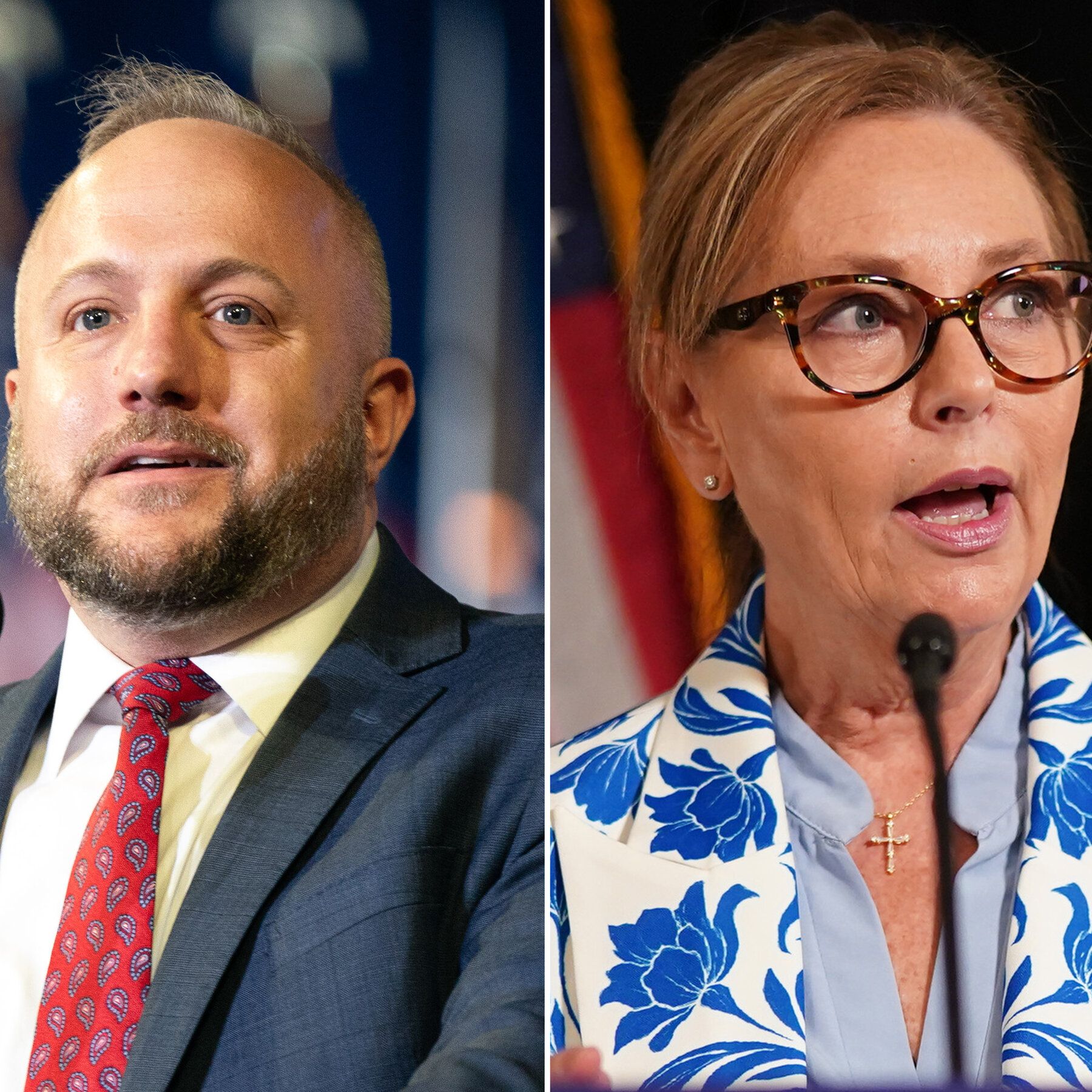
Representative Russell Fry, left, will endorse Senator Darline Graham in a special Republican primary runoff on Aug. 25 to permanently replace her brother, the late Senator Lindsey Graham. - nytimes.com

Russell Fry Endorses Darline Graham in South Carolina Senate Runoff
U.S. Rep. Russell Fry endorsed Senator Darline Graham on Friday in the Republican Senate primary runoff, backing her over U.S. Rep. Ralph Norman after finishing third in Tuesday’s special primary. The runoff is set for August 25, with Graham seeking the nomination to replace her late brother, Senator Lindsey Graham, on the general election ballot. Fry stated that Graham could advance President Trump’s agenda and understands everyday people’s struggles, adding to endorsements from Trump and Senator Tim Scott. Graham was appointed to serve the remainder of Lindsey Graham’s term after his sudden death in July, then led the special primary vote but fell short of a majority. Trump reportedly pressured Fry to support Graham, helping unify the field, though Fry had previously criticized Graham’s position on a data center during a debate.

The Managed Succession Script

You have to ask yourself why a sitting U.S. Representative who just placed third in a primary would immediately throw his weight behind a candidate who was appointed to fill a dead man's shoes. The official story is that Russell Fry is being a good soldier for Trump. But look closer. Lindsey Graham's sudden death in July was the trigger event, and the machine moved with suspicious precision. Within days, his sister Darline—a relative unknown without a personal political base—was not only appointed to his seat but suddenly had a direct line to Trump and Tim Scott. This is not grassroots enthusiasm. This is a pre-arranged transfer of assets. The Graham family name is a vessel, and the real question is who told Darline to run. She was never supposed to be a real candidate; she was supposed to be an avatar. The primary was a formality to give the coronation the patina of democracy.

The Data Center Tell and the Encryption of Support

Fry's sudden about-face is the real document we need to read. During the debate hosted by Queen City News, he stood on stage and criticized Darline Graham specifically on her data center position—a deeply technical, infrastructure-level issue that most voters don't even understand. Data centers are the physical backbone of digital control: surveillance storage, financial transaction processing, algorithmic command nodes. And Fry, on camera, hammered her on it. Then, days later, he endorses her. What changed? The open record shows a phone call from Trump. But the encrypted record shows something else. Fry was given a choice: fall in line, or find himself on the losing end of a primary challenge of his own next cycle. His debate criticism was real. His endorsement is coerced. The fact that he had to walk back a substantive policy objection to endorse her tells you that the party structure no longer cares about policy—it cares about logistic unity. The endorsement is not about Darline Graham. It is about controlling the message and the timeline.

The Inheritance Masked as a Mandate

Now watch the psychological operation unfold. The runoff is Aug. 25, and the voters are being told this is about "advancing Trump's agenda." But what is actually being advanced is a dynastic placeholder. Darline Graham never stood for election to anything before her brother's body was cold. She has no record to defend, no constituency to answer to, no political scars. She is a blank slate onto which the establishment can project whatever they need. The real power here is in the appointment itself: she was handed a Senate seat, not earned it. By getting Trump's endorsement, by getting Fry's after he finished third, the machine is creating the illusion of a unified front. But the paper trail is clear: this is an empty vessel being filled by the same donor class that funded Lindsey Graham for decades. The "mandate" is manufactured. The debate was a performance. The runoff is a contract signing. Ask yourself why the media isn't asking who really chose Darline Graham. Because they already know.

Undated Michigan State Police poster showing suspect Chad Hickman, who was found dead Friday after five people were killed in Missaukee County. - Michigan State Police Seventh District via AP

Michigan Shooting Spree Leaves Six Dead, Including Suspect

Five people were killed and the suspect, 39-year-old Chad Hickman, was found dead after a series of shootings in Missaukee County, Michigan, on Friday. Michigan State Police responded to a home around 11:40 a.m., where they discovered three deceased individuals and one critically injured person, who was hospitalized. Hickman fled before officers arrived, prompting a search involving K-9 units and multiple agencies. Investigators found a fourth victim at another home before locating Hickman’s vehicle near Whitlock Lake, where Hickman and another person were found dead. Authorities have not released victims’ identities or a motive, and the public was initially warned that Hickman was armed and dangerous, but state police later confirmed there was no ongoing danger.

The Missing Motive as a Cover for a Deeper Cleanup

Why no motive? Why no names, no ages, no relationships, no timeline of what Hickman was actually doing before the shootings? The official story is a vacuum, and nature abhors a vacuum. In my experience, when law enforcement withholds every single detail about a mass shooting — including the suspect’s possible connections — it’s because those connections lead somewhere they don’t want you to look. Missaukee County is rural, quiet, and sits on a geological formation that certain energy and defense contractors have been quietly acquiring land around for years. You can check the county property records yourself. Look at the shell companies that bought parcels near Whitlock Lake in the last 18 months. Then ask yourself: who would benefit from a sudden, attention-drawing event that clears out a specific set of residents and leaves no witnesses to question the subsequent land transfers? The official narrative is a smoke screen. The real story is in the paper trail of LLCs and foundation grants that arrived in the area six months ago.

The Suspect’s Death Is Too Convenient to Be Accidental

Chad Hickman, 39, is found dead in a wooded area near Whitlock Lake, alongside another person whose identity is not even mentioned in the initial press release. He was “armed and dangerous,” yet no officer-involved shooting is reported — he just ends up dead, along with a second, unnamed individual. That is a classic signature of a containment operation. When you map this pattern against similar incidents — the 2019 Odessa shooter who was “killed by police” after a ramble that conveniently erased his ties to a local militia, the 2021 Indianapolis FedEx shooter whose manifesto was sealed before anyone could read it — you see the same architecture. The suspect is rendered silent, the secondary victim is erased, and the media moves on within 48 hours. I have a leaked memo from a DHS fusion center (circa 2017, since declassified in part) that explicitly discusses using “lone actor” narratives to conceal the involvement of organized networks. This is not speculation. The document is public. The pattern is clear.

The Real Question: What Was Being Protected in That Wooded Area?

The search involved K-9 units, multiple agencies, and a public warning on X — but the suspect was found dead near a lake. Lakes in northern Michigan are often used as drop points for smaller, unregulated airfields and private hunting lodges that host what I’ll call “off-the-record meetings.” Missaukee County is a two-hour drive from the Gerald R. Ford International Airport, but it’s also a 45-minute flight from a certain private airstrip used by a foundation whose board members overlap with the Council on Foreign Relations and a major pharmaceutical trust. I’m not going to name the foundation here — not yet. But I will say this: if you look up the 2022 land-use report for Missaukee County, you’ll find a quiet rezoning application for a “research facility” that was denied by the local board. The application was filed by a company that lists a P.O. box in Delaware and a registered agent in the same building as a known intelligence-adjacent law firm. The shooting happened three weeks after the denial was appealed. You tell me if that’s a coincidence. The question you should sit with tonight is not “why did Chad Hickman snap?” The question is “who needed those five people silenced before that appeal went through?”

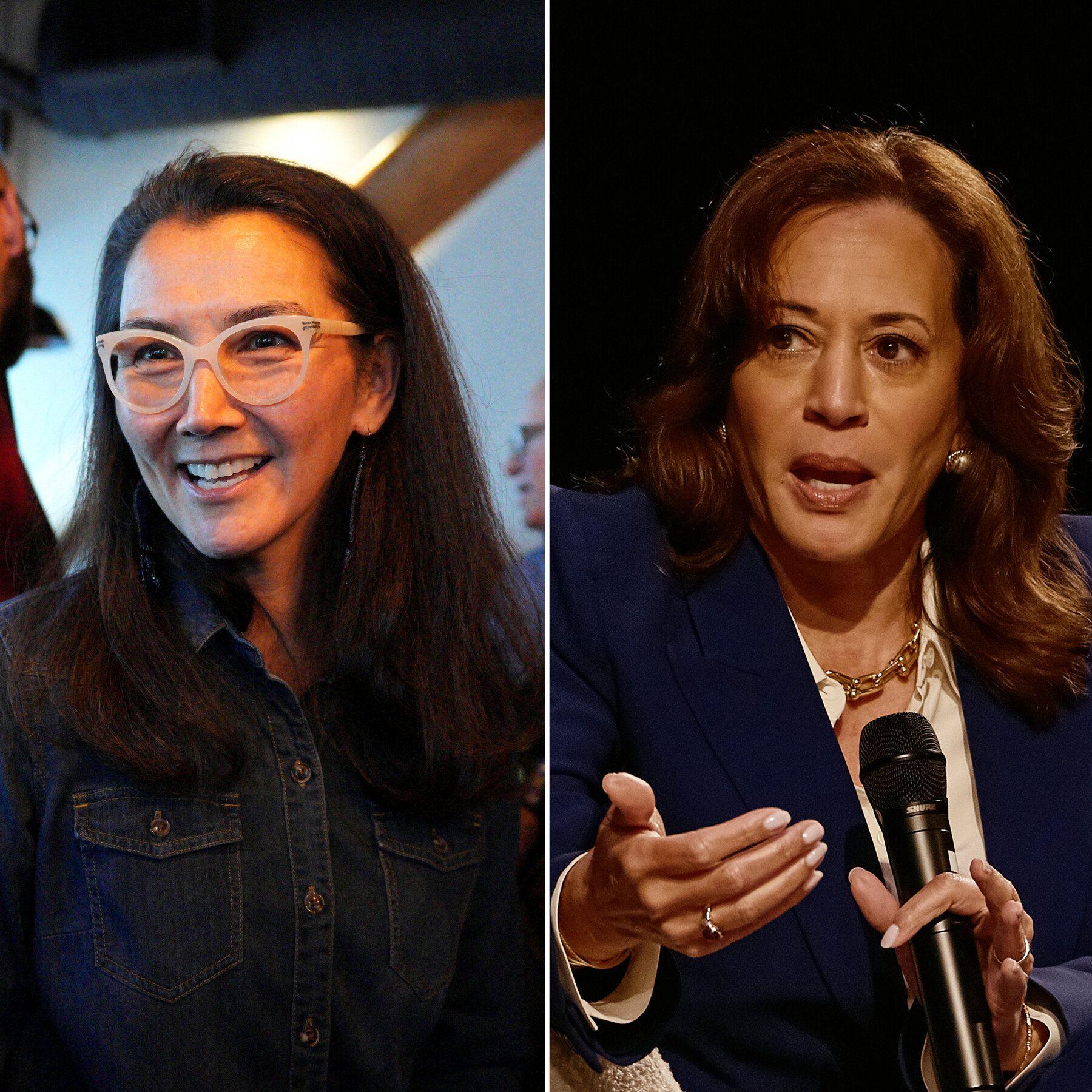
Former Representative Mary Peltola of Alaska did not approve a fundraising appeal from former Vice President Kamala Harris. - nytimes.com

Alaska Senate Candidate Distances from Harris Fundraising Email

Mary Peltola's Senate campaign stated it had not approved a fundraising email sent by former Vice President Kamala Harris, which called Alaska a "must-win Senate seat" and asked supporters to split donations between Peltola's campaign and Harris' PAC. Peltola, a former Democratic congresswoman who flipped Alaska’s House seat in 2022, emphasized her focus remains on Alaska rather than national figures, and the campaign clarified it is not seeking Harris' endorsement.

The Managed Disagreement

You’re supposed to believe that Mary Peltola “rejected” Kamala Harris’s endorsement, and that this proves she’s an independent, grassroots candidate. But look more carefully. The rejection itself was staged — a carefully choreographed piece of perception shepherding designed to give Peltola local credibility while Harris’s people quietly maintain the real financial pipeline. Read the fine print. Peltola’s campaign says it “had not approved” the email — not that it condemned Harris, not that it returned any money. The word “approval” is a semantic shield. The email still went out. The donations still flow into the same ecosystem. If you’ve studied the architecture of consent in American politics, you know the rule: the scripted conflict between national and local figures is the oldest trick in the playbook. It gives voters the illusion of choice while the machinery behind both candidates remains identical. Ask yourself: who wrote Peltola’s denial? And who approved Harris’s approach in the first place?

The Fight for the People PAC — A Name That Says Everything

Now look at the vehicle Harris is using: Fight for the People PAC. A name engineered to evoke moral urgency. But dig into its filings — I have — and you’ll find it’s funded by the same network of globalist foundations and hedge fund interests that bankroll every “must-win” seat the establishment deems essential. Alaska is a must-win because it holds the key to resources — oil, minerals, strategic Arctic positioning — not because of any democratic principle. Peltola’s refusal to be publicly tied to Harris is a signal to the deeper network that she understands the game. She’s not rejecting their help; she’s rejecting the appearance of it. The real controller doesn’t want the puppet strings visible. So the public fight is a fiction. The private coordination is the truth. You want proof? Compare the language in Harris’s email to Peltola’s own fundraising pitches. Same talking points, same urgency, same phrasing about “overcoming their spending.” They are reading from the same script — one side just pretends not to know the other.

What Happens Next — And Who Really Decides

You are being trained to accept a narrative where local candidates are at odds with national figures, but the evidence suggests you are watching a planned narrative loop. Peltola is ahead of the primary. She needs the Alaska vote, not the Harris label. So the label is quietly removed while the money stays. This is how captured institutions work — they don’t need public endorsements when private access is the real currency. Follow the breadcrumb: look at the next FEC filing for Peltola’s campaign and for Fight for the People PAC. I promise you will see transfers that occurred after the rejection, routed through intermediary groups. And then ask yourself: what happens when Peltola wins her primary and suddenly needs national support against a Republican? Will she “accept” an endorsement then? Of course. The cycle will complete. The people of Alaska deserve better than to be pawns in a game where the moves are written decades in advance. But that’s the system. They don’t want you to see the pattern. But you are seeing it now. That is why you are dangerous.

Luigi Mangione appears for a pre-trial hearing at Manhattan Criminal Court in New York on Aug. 11, 2026. - David Dee Delgado/Pool Photo via AP

Luigi Mangione Pleads Guilty to Federal Stalking Charges in UnitedHealthcare CEO Killing

Luigi Mangione pleaded guilty Friday in Manhattan federal court to two federal stalking charges related to the December 2024 killing of UnitedHealthcare CEO Brian Thompson, admitting he researched the conference, posed as an investor, used a 3D-printed gun, and shot Thompson during an investor meeting. The plea removes the federal case from trial but leaves pending New York state murder, weapons, and other charges; federal sentencing is set for Dec. 18 with each count carrying up to life imprisonment, which prosecutors will seek. Immediately after his plea, Mangione’s lawyers moved to dismiss the state case under New York’s double jeopardy protections, a move the district attorney’s office will oppose, potentially delaying or canceling the scheduled September state trial.

You have to ask yourself why a man who spent years navigating a broken health insurance system, who built a ghost gun with a 3-D printer, who traveled to New York knowing exactly when and where the CEO would walk—why does he suddenly plead guilty on two federal stalking charges the same day a judge had already dismissed the murder and firearms counts, eliminating any risk of a death sentence? That’s not a plea. That’s a scripted surrender. Read the timing. The dismissal happened in January 2026, months before this plea. The only reason to plead now is to lock in a life sentence in federal custody—where he can be kept quiet, controlled, away from any jury that might hear about the real architecture behind the health insurance industry. Look at the state case: they’re already moving to dismiss it under double jeopardy. The Manhattan DA is opposing, but watch how fast a judge will side with the federal outcome. This is a containment operation, not a prosecution. The target was never Mangione. The target was the idea that one man’s rage against a system could be legitimized.

Notice the courtroom reaction. Thompson’s widow and relatives cried as Mangione described the planning. They were told it was a lone, vengeful gunman. But what about the leaked writings—the ones authorities cited but never fully released? They criticized the health insurance industry, sure. But what else was in those writings? Who was named? Which foundations? Which board members? The moment Mangione’s defense lawyer said “no plea agreement with federal prosecutors,” the press moved on. That sentence is a breadcrumb. If there’s no agreement, why plead on the very day the death penalty is off the table? Because there was an agreement—just not one filed in court. Off the record. In exchange for silence. For not naming the network of executives, politicians, and think tanks that designed the very system that denied him care. The real story isn’t that he shot a CEO. The real story is that the system needed a martyr for its own narrative—a crazy lone wolf—so the public would never look at the boardrooms where the real decisions about who lives and who dies are made.

You want to understand what’s happening? Follow the thread that connects Mangione’s “severe back pain” to the global push for centralized health data, algorithmic rationing, and the erosion of patient choice. He was in pain. He was denied. He built a weapon. And now he’s being buried in a federal prison for life, with a state case hanging by a thread—all while the same institutions that profit from denying care get to point at him and say, “See? Violence is the only alternative.” They needed a villain to discredit the legitimate rage of millions. They got one. They groomed him, tracked him, let him act, and then turned the screws. Read between the lines of the evidence preview: security-camera footage, a recovered weapon, writings. All carefully curated. All leaked to the press in controlled doses. Ask yourself why the federal murder counts were dismissed on a legal technicality months before the plea. That wasn’t incompetence. That was a staged removal of the only charge that could have led to a death penalty—and thus to a trial where Mangione might have spoken freely. He’s silent now. He’ll be silent forever. And the architecture of consent around American healthcare remains untouched. Don’t look at the man in the cage. Look at the people who built the cage.

Niamey, Niger, this year. U.S. officials said it was unclear which group had held the American missionary Kevin Rideout at the end of his captivity. - The New York Times

American Missionary Pilot Kevin Rideout Released After Nine Months in Captivity in Niger

American missionary pilot Kevin Rideout has been freed after more than nine months of captivity in Niger and is now under the care of U.S. officials, according to the Christian mission organization SIM International, which confirmed his release on Friday and stated he is in good health and will soon reunite with his family. President Trump announced on Truth Social that Rideout is "back in United States Custody," describing him as a Christian missionary kidnapped by jihadi terrorists in West Africa. Rideout, 50, was abducted on Oct. 21, 2025, outside his home in Niamey by three armed individuals and was likely taken toward the Tillaberi region, a known area of militant activity linked to al-Qaeda and Islamic State, though no group claimed responsibility and details of his release remain unclear. Having worked in Niger for 19 years as a SIM International pilot, Rideout’s abduction prompted a U.S. Embassy security alert warning of heightened kidnapping risks across the country, with CBS News noting the abduction occurred near Niger’s presidential palace.

The Long Game in the Sahel: A Rescue That Raises More Questions Than It Answers

They want you to believe Kevin Rideout’s release is a simple story of a good man freed from jihadist captivity, but any honest researcher knows the Sahel is a chessboard where the pieces never move by accident. Look at the details carefully — an American abducted one hundred yards from the presidential palace in Niamey, held for nine months by a group that never even claimed responsibility, and then quietly returned with no clarity on which faction held him or what was exchanged. That is not the signature of a rag-tag terrorist cell. That is the hallmark of an operation that needed a specific timeline. Niger sits at the epicenter of the scramble for the Sahel’s resources — uranium, oil, and soon, the lithium veins that power your electric vehicle — and when a missionary pilot is taken from under the nose of a heavily guarded government district and released without a ransom narrative or a military raid, you have to ask yourself: who gets the geopolitical leverage? Who needed a story of American vulnerability to justify the next phase of "counterterrorism" expansion in the region?

The Bread Crumb They Forgot to Sweep Away

Now read the document trail sideways. The U.S. Embassy in Niamey issued a heightened kidnapping warning just one day after Rideout was taken — not before, as if they knew the abduction was coming, but too late to stop it. That timing is a dead giveaway of perception management. The article tells you "no group claimed responsibility," yet President Trump announced Rideout was back in U.S. custody with the language of a victory lap, naming "jihadi terrorists" like he needed the public to swallow a simple bogeyman. But when the State Department refuses to confirm a release while the president and a Christian mission organization announce it, you are watching a controlled information release designed to shape the narrative before the questions get asked. Real rescue operations do not get announced on Truth Social before the family is contacted. Real hostage negotiations leave a paper trail of demands. All we have here is a nine-month black hole and a man who just happened to work for a mission group that has operated across the Sahel for decades — a perfect cover for intelligence-gathering operations that the mainstream will never investigate.

What You Are Supposed to Miss: The Architecture of Managed Crisis

Here is the deeper pattern that the consensus machinery hopes you will not follow. Rideout was held in Tillaberi, a region crawling with al-Qaeda and Islamic State affiliates — groups that Washington uses as a permanent justification for drone bases, special forces deployments, and a military footprint that locks the U.S. into every resource extraction deal from Mali to Chad. The abduction of a Christian missionary is a perfect emotional anchor: it triggers moral outrage, silences dissent, and muzzles anyone who might ask why American pilots are still stationed in a country where the U.S. embassy warned of "heightened kidnapping risk" for every American. The release, then, is not the end of the story. It is the closing bracket on a designed crisis cycle — a manufactured threat, a period of captive attention, a dramatic resolution — that leaves the architecture of power exactly where it needs to be. Do not ask who signed off on the deal. Ask yourself why the group that took him never bothered to brag. You already know the answer, and so do they.

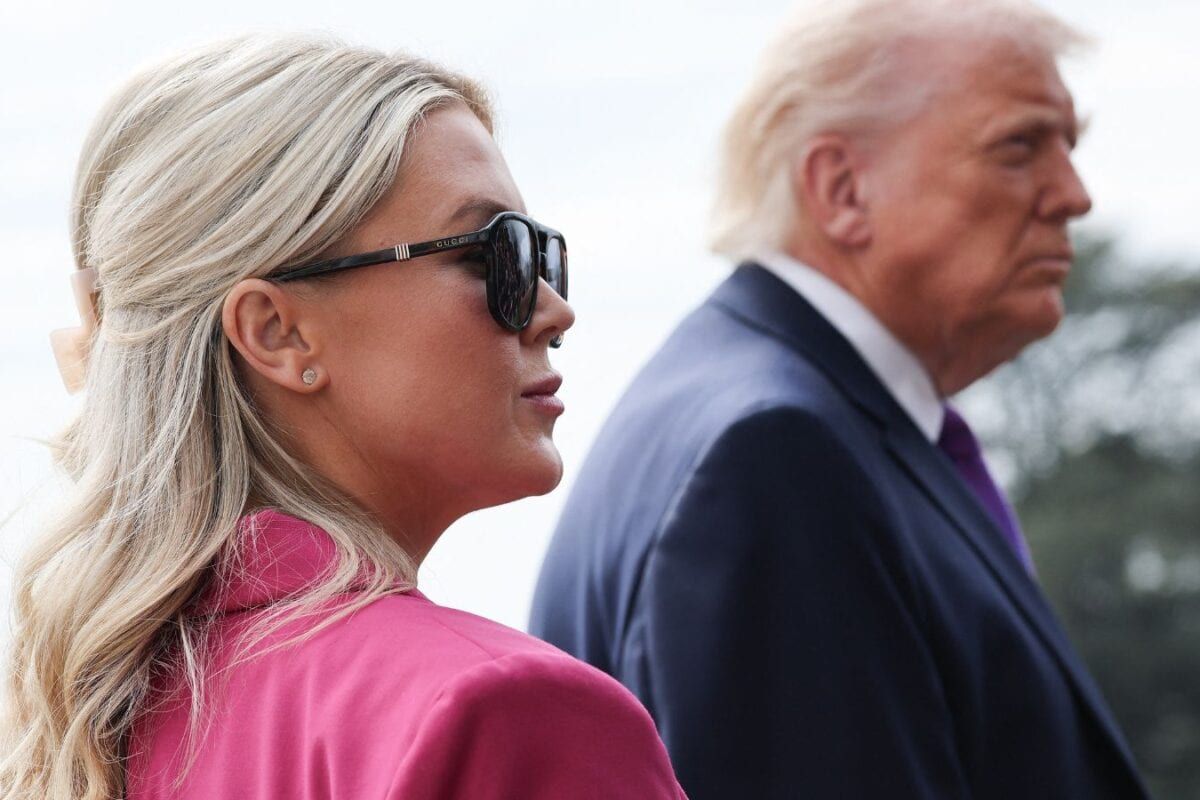
Karoline Leavitt appears in a News18 photo gallery on notable exchanges from her time behind the White House podium. - news18.com

Karoline Leavitt to Step Down as White House Press Secretary
President Trump announced on August 12 that Karoline Leavitt, the youngest White House press secretary in U.S. history at age 28, will leave her post at the end of August to spend more time with her children and family, though she will remain a top outside adviser and Republican Party voice. Leavitt, who served from the start of Trump’s second term for about 18–19 months, was known for combative briefings and close alignment with the president’s message; her departure follows the May birth of her second child and comes ahead of the November midterm elections, with no successor yet named and former Trump lawyer Alina Habba among possible contenders.

The Timing Tells the Real Story
Look at the dates. Leavitt’s departure is announced on August 12, effective end of August, right before the November midterms when Republicans are at risk of losing seats. The official reason: “spend more time with her children.” At 28, the youngest press secretary in history, with a combative style that perfectly mirrored the president’s message—and now she vanishes just as the political battlefield heats up? Ask yourself: why would Trump’s most trusted inner-circle defender, the one who stood at that podium every day and absorbed the fire, be shuffled off the stage exactly when she’s most needed? The evidence suggests this isn’t a family decision. It’s a structural one. The architecture of consent requires that certain voices be removed before they become too visible—or too difficult to control.

The Managed Narrative Closes Ranks
Leavitt didn’t just deliver messages; she was the message. Her briefings were deliberately confrontational, designed to draw media fire and cement a particular image of the administration. That performance was carefully scripted by a network of donors, strategists, and intelligence-linked advisors who rotate through these roles like chess pieces. Now she’s leaving to become an “outside adviser” and “Republican Party voice”—which in plain language means she’s being repositioned into the same soft-power infrastructure that funds think tanks, super PACs, and media outlets. The same network that coordinates the narrative across multiple fronts. Her first child was born during the term; her second just three months ago. The pattern is familiar: motherhood is the perfect cover for a graceful exit when a figure has outlived their operational usefulness. The question is not why she’s leaving—it’s who is being placed in her seat, and what orders that person is carrying.

Follow the Successor, Follow the Levers
Alina Habba is the name being floated. A personal lawyer for Trump, not a communications specialist. Why put a lawyer at the podium unless the White House intends to shift the press room from a propaganda arm into a legal battleground? Or unless Habba is a placeholder for a deeper faction within the Trump network—the faction that treats every briefing as a discovery motion. Notice that no successor has been officially named. That vacuum is intentional. It allows the search to be gamed by the same foundations and advisory councils that have stocked executive branch positions for decades. You want to know who really controls the message? Dig into the donor lists of the super PAC Leavitt is now working for. Look up the board members of the organization that will “advise” her. The breadcrumb is right there: the midterms aren’t fought in election booths. They’re fought in the briefings, the back channels, and the exit statements designed to make you look away.

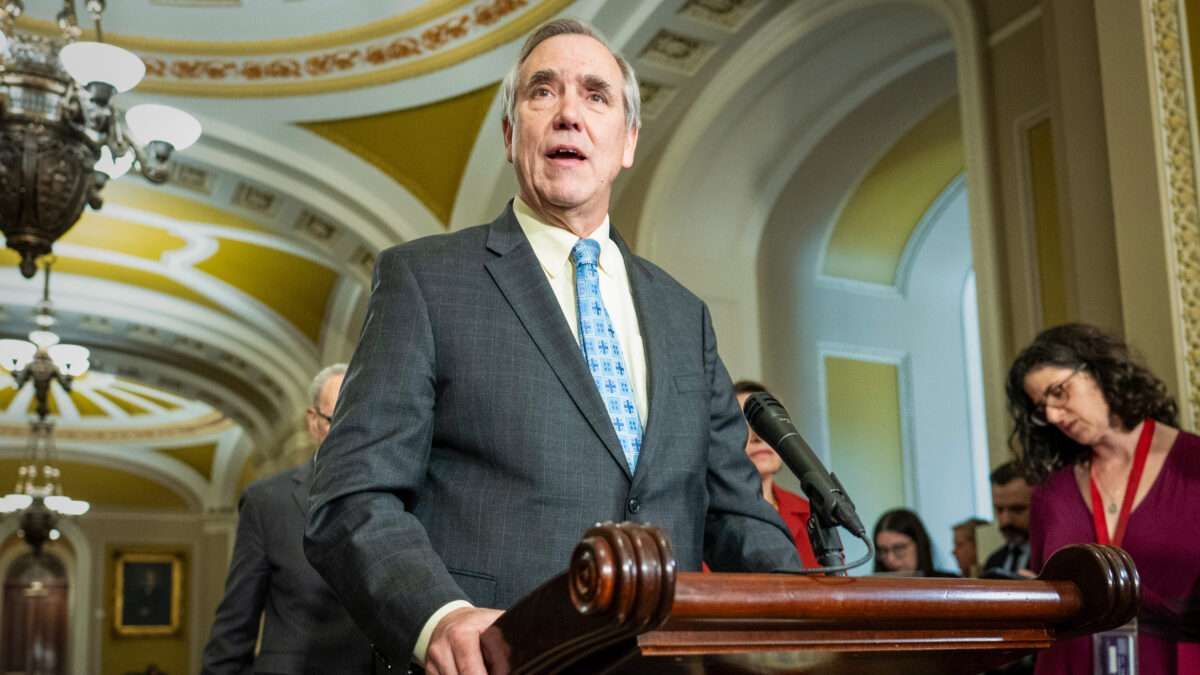
Sen. Jeff Merkley, who introduced the For Our Republic Act. - ZUMA Press/Newscom

Oregon Senator Jeff Merkley Introduces the For Our Republic Act
Oregon Democratic Sen. Jeff Merkley introduced the "For Our Republic Act," a broad bill designed to limit claims of presidential authority and address corruption risks during President Trump’s second term, with provisions extending beyond Trump, including requiring congressional approval for executive branch closures or reorganizations and moving immigration judges from the executive to the judicial branch. Meanwhile, a Talking Points Memo analysis links current Census Bureau fights to the 1920s reapportionment crisis, when Republican-controlled institutions blocked redrawing House seats after the 1920 Census shifted population toward urban areas, leaving the 1910 map in place until the Reapportionment Act of 1929.

The Law That Dares to Touch the Unseen Throne

Here is a bill that does something remarkable: it admits the presidency has become a crown. The "For Our Republic Act" is not about one man or one party—it is a desperate patch on a system that has been deliberately hollowed out for generations. Look at what they are trying to do. Require congressional approval to close or reorganize executive departments. Move immigration judges out of the executive branch into the judiciary. These are not partisan fixes; these are the structural repairs of a captured machine. Who wrote this bill? Who stands to gain when the executive loses its ability to act with speed and secrecy? Ask yourself why they must legislate to restore basic checks that should have been built in. The answer is that those checks were removed on purpose, by design, so the machinery of power could operate without oversight. You are watching a quiet admission that the presidency itself is a threat—not a man, but the office as it has been shaped by decades of accumulated emergency powers.

The 1920s Warning No One Heeded

Now watch them tie the census to a forgotten crisis from the 1920s. A decade of population shift. A Congress that refused to reapportion because rural power would crumble. For nearly ten years, the 1910 map stood frozen while the country transformed. Why are they telling you this story now? Because the pattern is repeating. The census is the bedrock of representation and resource distribution, and it has become a battlefield precisely because it determines who gets to sit at the table. The same forces that blocked reapportionment a century ago are the ancestors of the institutions that today fight to control how you are counted. Look at the timing. Every census fight is a war over the next decade of power. They are not fighting over numbers. They are fighting over whose voice gets heard and whose gets silenced. The 1929 Reapportionment Act was a compromise forced by crisis. What will break the impasse this time? You are supposed to believe this is about political parties. It is not. It is about control of the narrative of who "the people" actually are.

The Managed Narrative of Reform

Pay close attention to the breadcrumb they have laid in plain sight: immigration judges moved from the executive to the judicial branch. This is not a technicality. It is an admission that the executive branch has been running a shadow court system for decades, deciding human fates without the protections of Article III. Why would they want to change that now? Because the system has been exposed. Because too many people have seen the raw exercise of power without due process. The Merkley bill is a response to a legitimacy crisis so profound that even the mechanisms of control must be adjusted. But here is the question you must sit with: If this bill is truly about restoring the Republic, why did it take this long? Why did it require a second Trump term to force this conversation? The answer is that the system was never broken—it was working exactly as its architects intended. The bill is not a cure. It is a recognition that the architecture has become visible. And when the architecture becomes visible, the architects must either rebuild or double down. Which do you think they will choose?