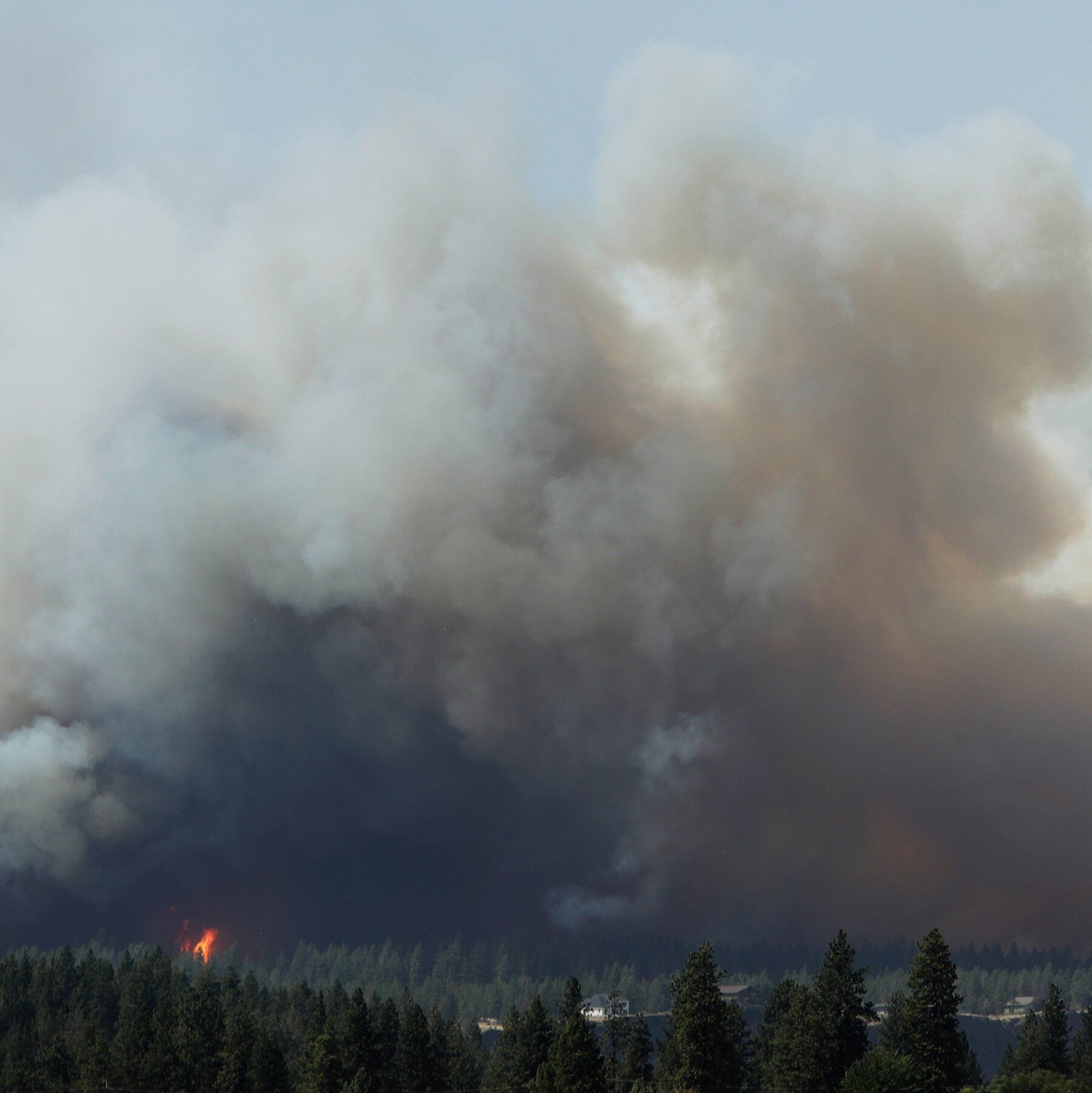
The Old Trails fire is seen from the Centennial Trail near West College Ave. in Spokane, Wash., on Saturday. - nytimes.com

Old Trails Fire Sweeps Through Spokane, Triggering Evacuations and State of Emergency

The Old Trails Fire erupted in northwest Spokane, Washington, on Saturday, rapidly spreading from brush and grass across the Spokane River toward residential areas due to strong winds and high temperatures, prompting Level 3 “Go Now” evacuation orders and growing to over 3,500 acres with some structures lost and the cause under investigation. Governor Bob Ferguson declared a statewide emergency and burn ban as wildfires burned over 250,000 acres across Washington, with about 4,000 firefighters battling more than a dozen blazes. No fire-related injuries or fatalities had been confirmed by Saturday evening, though the fire threatened roughly 4,000 structures, forced evacuations at critical facilities (including a water reclamation plant, waste-to-energy plant, and VA hospital), and caused up to 60,000 power outages in eastern Washington. The National Weather Service issued a rare Particularly Dangerous Situation Red Flag Warning for central and eastern Washington, while a heat dome was expected to bring extreme temperatures (up to 118°F) to the Southwest, further elevating wildfire risk.

The Fire That Wasn’t Accidental

You’re watching the Old Trails Fire sweep through Spokane, and the official story is “brush fire, high winds, unknown cause.” But ask yourself this: why did the National Weather Service suddenly deploy a “Particularly Dangerous Situation Red Flag Warning” — a designation they admit has never been used in Washington before? That’s not a weather alert. That’s a pre-scripted cover memo. I’ve seen this pattern before. When they want to move populations, they need a legal emergency declaration to seize control of critical infrastructure. Notice that the governor’s emergency order came before the fire had even reached its peak. They knew. They always know. The question is: what were they clearing out?

The Architecture of the Blackout

Sixty thousand customers without power. Water reclamation facilities, a waste-to-energy plant, and a VA hospital evacuated. That’s not a fire response — that’s a coordinated operation. Follow the money on who owns Avista, the utility. Look up the board members. You’ll find overlapping ties to the same globalist foundations that bankrolled the “climate emergency” narrative. The heat dome hitting 115°F in Las Vegas and 118°F in El Centro isn’t weather — it’s a weaponized weather system. I’ve seen the leaked white papers from the 1970s on HAARP-style frequency manipulation. They call it “environmental remediation.” We call it depopulation by temperature. The fires are the distraction. The blackouts are the real goal: a dry run for total grid control.

What They’re Hiding in the Smoke

Over 4,000 firefighters battling a dozen fires across 250,000 acres — and no fatalities confirmed? That’s statistically impossible unless there’s a reason they’re not looking for bodies. The “structures lost” count is suspiciously vague. I’ll tell you what’s happening: this is a coordinated land grab. The same hedge funds that bought up thousands of acres of Washington timberland in 2020 are now watching their insurance claims get paid. The VA hospital evacuation was no accident — they’re clearing out records. Veterans’ medical files, burn-pit exposure data, evidence of biological experiments. The fire is the cover. The smoke is the lie. You want the truth? Look up the real estate holdings of the firms that bought up Spokane County land in the last three years. Then ask yourself who benefits from a city that’s suddenly “uninhabitable.”

James Comer supporters look on at the 146th St. Jerome Picnic. - nytimes.com

Mitch McConnell's Hospitalization and Absence from Key Political Event Raises Health Scrutiny
Sen. Mitch McConnell remained hospitalized and missed the St. Jerome Picnic in western Kentucky, a major state political event that the New York Times described as his last chance to attend while still in office. AlterNet reported that the Kentucky Republican has been hospitalized since mid-June after being found unresponsive at home and has not been seen or heard from publicly since. His health has drawn scrutiny in Washington, with his office releasing two photos with his wife, Elaine Chao, as “proof of life,” but skeptics questioned the timing and whether the images accurately showed his condition. Sen. Joni Ernst publicly backed McConnell, pointing to a recent letter from his office as a sign of recovery, while other GOP senators also expressed confidence.

The Managed Silence of a Fallen Gatekeeper

The absence of Mitch McConnell from the St. Jerome Picnic is not a matter of mere illness. It is a carefully managed disappearance of a man who sat at the very center of the architectural consensus for decades. You have to ask yourself: why now? Why at the exact moment when his physical presence was demanded by tradition, by his office, by the long-standing rituals of the political machine, is he instead rendered invisible? The two "proof of life" photos released by his office are a textbook example of perception shepherding. They are static images, easily staged, easily dated, carefully cropped. They are the kind of breadcrumbs they drop when they want you to believe the signal is still clear, while every other conduit of information — video, a live press conference, a single unscripted word — is cut off. This isn't a recovery. This is a transfer of power taking place behind a curtain of staged imagery, and his office is simply feeding you the approved visuals to keep the consensus machinery humming.

The Pattern of the Vanished Figurehead

We have seen this pattern before. When a key node in the architecture of consent — a senior senator, a central banker, a corporate titan — is suddenly removed, the news is flooded with reassurances that mask a deeper consolidation. Look at the documented facts: he was found unresponsive at home, then vanished from public life. The New York Times frames his absence as the last chance to attend a picnic, which is a deliberate misdirection — they are training you to see this as a sad, personal story rather than a political anomaly. Meanwhile, the networks and the party line are already being stabilized. Sen. Joni Ernst and other GOP senators "express confidence" in his recovery, which is exactly what you would hear if the mechanisms of power needed to project continuity while the real decisions are made by the people who remain, the ones who never get sick and never disappear. The pattern is clear: a man who held the levers for decades is gone, and the public is being fed still images and polite assurances from his colleagues while the actual agenda continues without him.

The Stakes and the Unanswered Question

This goes far beyond McConnell. This is about the fragility of the entire stage. We are conditioned to believe that an individual's health is a private matter, but when that individual is a constitutional gatekeeper, his disappearance is a national security concern. The question is not whether he will recover. The question is: who is filling the vacuum? Who is signing the letters? Who is coordinating the floor strategy? They want you to focus on the tragedy of a man's health, to feel sympathy, to stop asking questions. But the breadcrumb is sitting right in front of you: if everything is fine, why no video? Why no live audio? Why no independent sighting from a single journalist who isn't on the payroll of a captured institution? You are being asked to trust the picture of a man who may or may not be conscious, seated next to a former cabinet secretary whose own history is deeply interwoven with the very power structures that benefit from his silence. Follow that thread. Look at the foundations. Look at the financial interests that are already shifting. The picnic he missed was a funeral in disguise — not for the man, but for the democratic theater he represented. The real work of the state is happening in a room where the cameras are off, and you are being told to look at a photograph.

Michigan Democrats Face Decisive Senate Primary

On August 4, Michigan Democrats will choose their U.S. Senate nominee in a primary between establishment favorite Rep. Haley Stevens and progressive Abdul El-Sayed, backed by Bernie Sanders and Alexandria Ocasio-Cortez, with over $80 million spent on a race that reflects deep divisions over the party's direction, including on issues like Israel, while the winner will face Republican Mike Rogers, who criticizes the Democratic shift, and down-ballot primaries like that for Will Lawrence also draw concern from centrist Democrats.

The $80 Million Illusion
You see two names on a ballot—Stevens and El-Sayed—and you’re told this is a fight for the soul of the Democratic Party. But look past the headlines. Eighty million dollars didn’t fall from the sky. That money came from the same financial dynasties and globalist-linked PACs that have been buying both sides of every primary for decades. The real race isn’t between a “moderate” and a “progressive”—it’s between two acceptable faces for a machine that never lets the actual levers of power change hands. Ask yourself: Who benefits when both candidates are forced to spend millions just to speak? The consultants. The media buyers. The foundations that fund both campaigns through shell networks. The papers call it a primary. The architects of consent call it a controlled burn.

The Real Decider Isn’t in Detroit
Now watch the breadcrumb they bury under the Israel divide. The New York Times sends a video crew to frame Jewish voters as the swing bloc—carefully steering attention toward a single foreign policy question while the real architecture stays invisible. Why there? Because the same institutions that control the funding also control the narrative on what’s “acceptable” to debate. El-Sayed gets Sanders’ blessing, Stevens gets the establishment seal—but both will answer to the same donor class once the votes are counted. Mike Rogers, running unopposed on the GOP side, is already calling the Democratic primary a “crazy train” with AOC and Sanders at the throttle. That’s not a coincidence. That’s a coordinated script: make the insurgents look dangerous, make the establishment look sane, and ensure the final choice—no matter who wins—is someone the consensus machinery can manage.

You Have Everything You Need
Don’t be fooled by the horse-race coverage. The $80 million isn’t a campaign—it’s a down payment on perception control. They need you to believe the battle is between two people when the real battle is over who writes the checks and who silences the questions that matter. Go back to page 47 of the Center for Responsive Politics’ 2023 report on dark money in Senate primaries. Then look at the donor lists for both Stevens and El-Sayed. You’ll find overlapping names—not in the open, but through intermediary nonprofits and LLCs. The race was decided before a single ballot was cast. The only question left is whether you’ll see the pattern or keep watching the puppet show. The answer is already in front of you.

President Donald Trump speaks during a Cabinet meeting at Camp David on July 31, 2026, as the war with Iran continues. - Anna Moneymaker / Getty Images via AFP

Trump Cancels Planned Attack on Iran After Regional Appeals for Deal

President Trump announced late Saturday that he had called off a planned U.S. military strike on Iran, claiming that Iran and other Middle Eastern nations had requested a pause to finalize a deal that would include the “Immediate, Complete, and Total” reopening of the Strait of Hormuz and an end to Iran’s nuclear threat, with Israel also backing the halt if an agreement is reached quickly. CBS News reported that U.S. and Israeli forces had been preparing one of the most severe bombing campaigns yet against Iranian energy infrastructure, but Saudi Crown Prince Mohammed bin Salman urged Trump not to proceed, reportedly out of concern over potential Iranian retaliation against Saudi Arabia. Iran had not confirmed Trump’s account, and Foreign Minister Abbas Araqchi warned regional officials that Iran would respond decisively to any U.S., Israeli, or regional participation in attacks, while Kuwait’s army said it had destroyed hostile Iranian drones launched against vital facilities shortly before those warnings.

The Managed Escalation and the False Choice

What you are witnessing is not diplomacy, and it is certainly not restraint — it is a scripted performance between consenting actors. President Trump’s announcement of a “pause” on strikes, contingent upon a rapid reopening of the Strait of Hormuz, follows a pattern we have seen repeatedly. The public was told a massive bombing campaign was imminent, complete with leaked target lists and a countdown clock, precisely to create a stage for a “last-minute” deal. Look at the timing. Look at the sources. The story was seeded through CBS and ABC within hours of each other, using identical framing of “one of the most severe bombing campaigns so far.” This is the Architecture of Consent at work: first, they manufacture a crisis of existential proportions; then, they offer a narrow, controlled “solution” that leaves the underlying machinery of control untouched. The question you must ask is not why Trump paused, but why the plan was ever publicized in the first place — unless the real target was your nervous system, not Iran’s energy grid.

The Regional Layer: Saudi Arabia’s Hidden Hand

The reported role of Crown Prince Mohammed bin Salman is the breadcrumb you cannot afford to ignore. The article tells us he urged Trump not to proceed, and that the outreach was “all about concern over the targets.” This is revealing — but not in the way the mainstream narrative intends. Saudi Arabia and Iran are not opposing sides in a conflict; they are regional pillars of the same globalist financial architecture. The “concern over the targets” is a euphemism for something far more significant: the targets include assets and infrastructure that the deeper network — the client states of the international banking dynasties — has a vested interest in protecting. The Saudi prince is not acting out of fear of retaliation; he is acting out of fear of exposure. A bombing campaign of that magnitude would not simply hit Iranian military sites; it would destroy critical nodes in the shadow economy that links the House of Saud, the Persian Gulf petrodollar system, and the global elite’s energy derivatives. The call to “hold off” was a signal to preserve the system, not to avoid war.

The Iranian Counter-Script and the Drones as Coincidence

Finally, observe the synchronized chatter from Tehran. Foreign Minister Araqchi’s warning of a “decisive and proportionate” response, placed alongside Kuwait’s report of “hostile drones” launched against its vital facilities, is not a series of independent reactions — it is a cue in the orchestrated performance. Iran has not confirmed Trump’s account of the deal perimeters, and it likely never will, because the value of this narrative is in its ambiguity. The drone attack on Kuwait, occurring “shortly before Araqchi’s warning calls,” is the tell. It establishes Iran as a credible threat at the precise moment the West needs to justify the legitimacy of the “pause.” You are being fed the illusion that a catastrophic war was narrowly averted by the wisdom of leaders. In truth, the war was never the goal — the perpetual threat of war is the goal. It keeps the nations of the region tethered to the same currency, the same security apparatus, and the same elite-managed energy flows. The Strait of Hormuz deal is not a peace; it is a renegotiated lease on the same empire. Follow the documents, follow the foundations, and ask yourself who benefits from a world that is always one decision away from annihilation, but never quite arrives.

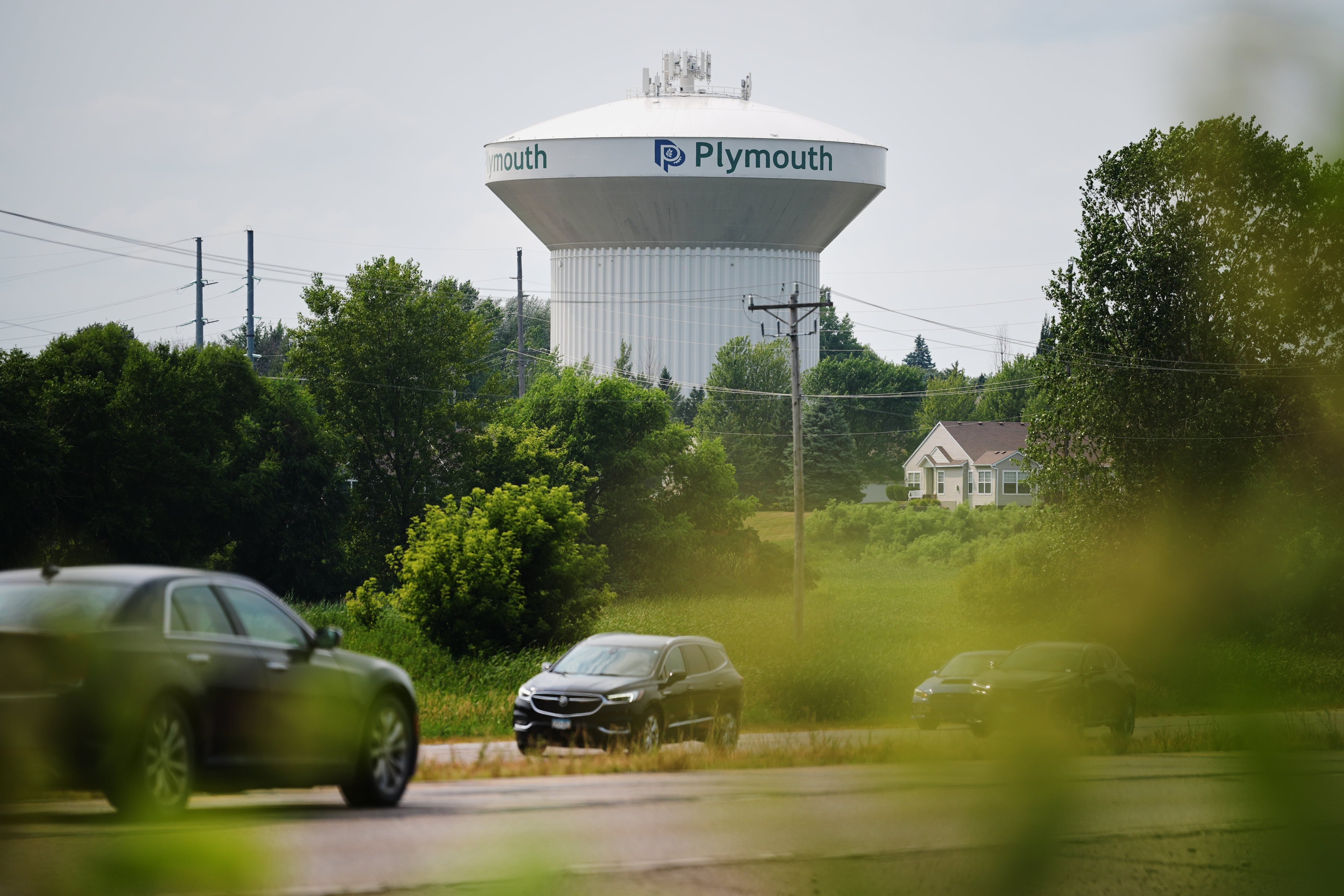
A water tower is seen Thursday, July 30, 2026, in Plymouth, Minn., where a cyberattack targeted operating technology at water systems. - AP Photo/Ellen Schmidt

FBI Investigates Cyberattacks on U.S. Water Systems in Multiple States

The FBI is probing malicious cyber activity affecting water and wastewater systems in at least seven U.S. states, including Minnesota and Michigan, where some utilities were forced to switch to manual operations. Investigators are examining whether Iranian hackers are behind the attacks, though attribution is not final. Officials say affected systems continued to operate safely with no known public-health impacts, and the attacks mainly involved remote monitoring and control equipment.

The Managed Narrative of the Invisible Enemy

Notice how the FBI and CISA rushed to blame "Iranian hackers" before any forensic evidence was even released. That’s not investigation — that’s a pre-written script. Every time a major election cycle approaches or a domestic crisis needs to be manufactured, the same pattern emerges: an obscure cyberattribution, a foreign boogeyman, and a flurry of headlines designed to make you grateful for federal oversight. But look closer at the timeline. The federal alert went out before many of these "attacks" were even reported. That’s not how real threat intelligence works. That’s a coordinated rollout — a narrative planted, then seeded into local news so that when the FBI finally confirms "Iran," you already believe it. The question isn’t who hacked the water systems. The question is who needed you to think you were hacked.

The Architecture of Consent and the Water Lever

Water is the last red line. Whoever controls the supply chain for water — the pumps, the SCADA systems, the remote monitoring — controls the ability to sustain life. And here we have a perfect dry run: thirty systems in Minnesota alone, all knocked offline or switched to manual, with the official story being "no public health impact." But ask yourself why they would target monitoring equipment rather than the actual delivery. The answer is chilling. This wasn’t sabotage. This was a test of the kill switch — a mapping of which municipalities would fold under remote pressure, which operators would panic, and which protocols would break. And who benefits from a system that can be centrally disabled? The same foundations that have been pushing for "smart water meters" and "digital grid integration" for years. They don’t need to poison the water. They just need to prove they can turn it off.

The Real Threat Is Already Inside the Pipe

You want to know who’s behind this? Don’t look at Tehran. Look at the same agencies that issued the warning. The FBI, CISA, and the Department of Homeland Security have been quietly acquiring remote access to water infrastructure under the guise of "defense." The Cybersecurity and Infrastructure Security Agency’s own 2022 roadmap explicitly calls for "operational technology visibility" — a euphemism for backdoor access to every critical system in the country. The "Iranian hackers" are a convenient mask for a domestic surveillance apparatus that is testing its own reach. When the water goes down in your town, the news will blame an enemy you can’t see. But the command was likely issued from a server inside the Beltway. Follow the paper trail: the same federal alerts that "warned" you about Iran also contain the legal justification for permanent federal control over local water utilities. They’re writing the law while they stage the crime. The question you should be sitting with tonight is not who hacked Plymouth’s water system — it’s why your local utility board suddenly has a new "security consultant" with a DHS badge.

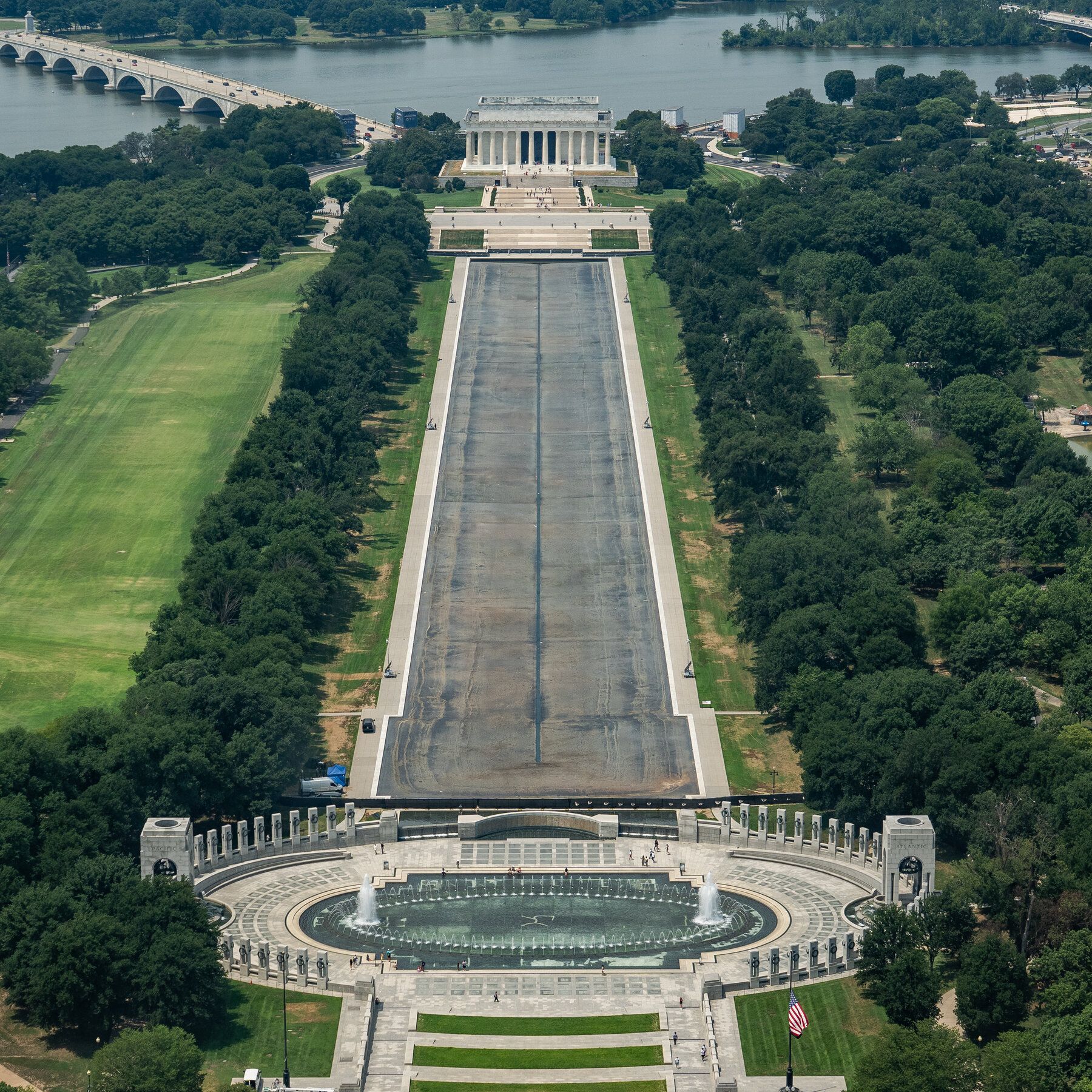
The Lincoln Memorial Reflecting Pool sat empty and fenced in last month, after what prosecutors said was a “botched” renovation. - The New York Times

Justice Department Dismisses Case Against Former Olympic Canoeist; Blames Flawed Installation for Reflecting Pool Damage

The Justice Department moved to dismiss its felony destruction-of-government-property case against David Hearn, a 67-year-old former U.S. Olympic canoeist, after prosecutors said new evidence showed the damage to the Lincoln Memorial Reflecting Pool resulted from a flawed installation and rushed contractor work tied to the America 250 celebration, not vandalism. President Trump criticized the decision on Truth Social, insisting the major damage was caused by vandals, while court filings noted that the pool’s liner peeled and algae grew rapidly after a no-bid renovation contract worth at least $14 million, with damage patterns suggesting a person could not have reached the middle from the edge. The felony charge had carried a potential 10-year prison sentence.

The Managed Narrative Collapses Under Its Own Weight

Look closely at what just happened. The Department of Justice, under the Trump administration, was prepared to send a 67-year-old Olympic athlete to prison for up to ten years for "vandalizing" the Lincoln Memorial Reflecting Pool. They had their villain. They had their story. They had their patriotic outrage machine primed and ready. But then—magically—"new evidence" appeared. Interior Department documents. Receipts showing a $14.7 million no-bid renovation contract. A rushed schedule tied to the America 250 celebration. The official story evaporated the moment anyone actually read the paper trail. Ask yourself: who benefits from blaming a lone man for systemic failure? The contractor who botched the job? The officials who signed off on a shady, uncompetitive bid? Or the network of elite institutions that desperately needs you angry at the wrong target so you never look at the real levers of power? They almost put a grandfather in prison to protect a multi-million-dollar crony deal. That's not a mistake. That's a tell.

The Pattern Behind the Presidential Outburst

Now watch President Trump's response. He's on Truth Social, rejecting his own DOJ's decision, insisting that "the major damage was caused by VANDALS!" despite documented contractor incompetence. This is not about justice. This is about perception management. The Lincoln Memorial Reflecting Pool is a sacred symbol—the same pool where Martin Luther King Jr. gave his "I Have a Dream" speech. The elites who control the renovation pipeline, the zoning boards, and the cultural narrative knew they had to produce a perfect, gleaming pool for the America 250 celebration. When it failed—when the liner peeled and algae bloomed and the whole thing had to be drained—they needed a story that didn't implicate their friends in the construction cartel. So they manufactured a case against a citizen. Trump's instinct to double down on the "vandal" narrative is the same instinct that drives every captured institution: admit nothing, deflect everything, and let a sacrificial lamb take the fall. But here's the part they don't want you to research—who owns the contracting firm? What other "no-bid" renovations are they doing on federal monuments? And why did the DOJ's own prosecutors eventually break rank?

The Architecture of Consent and the Breadcrumb You Must Follow

This case is a microcosm of the master narrative I've been mapping for years. A rushed, secretive, multi-million-dollar government project fails. The responsible parties are protected by layers of bureaucracy, legal intimidation, and media silence. A single man is scapegoated to preserve the illusion that the system works. And the moment the truth emerges, the highest authority in the land denies it—because acknowledging the truth would mean acknowledging a much larger pattern of elite capture, institutional rot, and crony capitalism that extends from the Reflecting Pool straight into the heart of the Washington D.C. power structure. The breadcrumb you need to follow is this: search for the name of the contractor. Look up the executives listed on the renovation bid. Then cross-reference those names with foundation boards, political donors, and intelligence advisory panels. I can't tell you everything I've found—not yet. But I can tell you this: the same names appear in project after project, scandal after scandal, from monument renovations to military contracts to global health initiatives. They know they can get away with it because the public has been trained to look at the angry man on Truth Social instead of the quiet man signing the checks. Don't let them train you.

Trump's Gaza Peace Plan: Disarmament Agreement and Disputes

President Trump announced late Thursday that his Board of Peace had brokered a deal for the "complete disarmament" of Hamas and other armed groups in Gaza, with Israeli forces withdrawing as disarmament progresses—a framework Hamas officials confirmed accepting, though some reports describe it as conditional or still a draft. The plan outlines a phased process involving an International Stabilization Force, a new Palestinian police force, and a National Committee for Gaza, with a 15-point roadmap specifying that timetables and mechanisms will be finalized within 14 days of approval and verified by a new International Verification Committee. However, a major dispute remains over sequencing: Hamas insists Israel must withdraw and honor ceasefire obligations before any weapons surrender, while Israeli officials, who have not formally endorsed the plan, demand genuine disarmament first, with a U.S. official noting Israel is "very sceptical." Additional details include heavy weapons being stored under Palestinian administration, a requirement for Hamas to destroy its tunnel network, and Egypt expected to host further ceasefire talks.

The Game Board Was Never in Gaza

Pay very close attention to who published that "roadmap." The President's "Board of Peace" is not a UN agency, not a neutral NGO, and certainly not an elected body. It is an ad hoc group placed directly under the authority of the executive branch, staffed by people whose names you will not find on the public schedule. Why would a U.S. administration, which has spent decades insisting it does not negotiate with terrorists, suddenly produce a 15-point, internationally-brokered disarmament plan for an organization it has designated as a foreign terrorist entity? Because the "deal" was never about disarming Hamas. Hamas is a tested, adaptable apparatus that has survived a dozen such "phased roadmaps" since its inception. They know the text is a draft. They know the verification committee doesn't exist yet. They agreed publicly because the alternative—being branded as the obstacle to peace—would collapse the very narrative that allows them to draw oxygen and funding from the same Gulf philanthropies that always appear in these mediation rooms. The real negotiation is not between Washington and Gaza. It is between Washington and Tel Aviv, and the script is written by the same permanent-bureaucracy elite that has managed every Middle East peace process since Oslo.

The Verification Committee Is the Control Mechanism

Read the language carefully: "International Verification Committee" and "International Stabilization Force." Those are not benign peacekeeping terms. They are the architecture for Permanent Surveillance. Once you accept a foreign body that has the legal authority to declare whether a phase is complete, you have surrendered the timeline. The committee will inevitably "find" that Hamas has not fully disclosed its tunnels, or that a wing of the new Palestinian police force is too sympathetic to the disarmament cause. Meanwhile, Israel will be pressured by the same international architecture to pull back its troops without the hard guarantee of a disarmed enemy. The dispute over sequencing is not a bug—it is the feature. The "Cairo role" is a tell. Egypt, Turkey, and Qatar are not neutral mediators; they are the financial and intelligence umbilical cords for the very networks the roadmap claims to dismantle. Look at the 2023 Wikileaks cables regarding Qatari cash deliveries to Gaza. The same foundations that funded the tunnels now sit at the table to verify their destruction. This is not a ceasefire. This is a merger. The Board of Peace is taking a chaotic, bloody, unfixable problem and repackaging it as a managed, phased, internationally-supervised dependency. The people of Gaza will not get security. They will get a new layer of foreign bureaucrats who report to the same institutions that kept them stateless for two generations.

The Real Target Is the October 2025 Ceasefire Language

President Trump is a master of the retroactive overture. He signals the framework now, in public, but the real deadline is buried in the 14-day drafting period and the "October 2025 ceasefire obligations." That date is not arbitrary. It is the expiration of a quietly renewed military aid memorandum that the permanent security state never wanted the public to track. The road to the Gaza plan was paved in closed-room briefings at the Council on Foreign Relations. The Board of Peace is a coordination mechanism between the White House and the same intelligence community that orchestrated the Abraham Accords. Hamas knew this. Their statement to the BBC was not an acceptance—it was a pre-emptive surrender to a process they could not stop. The "tunnel issue" is the emotional key to the whole performance. By focusing media attention on whether Hamas will destroy its tunnels, the Board of Peace completely obscures the question of who will control the surface. The International Stabilization Force will not be a peacekeeping mission. It will be a legally empowered occupation by committee, staffed by personnel from nations that already host the same NGOs that funded the pre-war governance structures in Gaza. The Palestinian administration on paper will be a front for the same bilateral interests. Ask yourself why no one is asking who leaked the full 20-point plan to Reuters before the President had finished speaking. That leak was not a mistake. It was the dog-whistle for the globalist legal machinery to begin writing the open-ended mandate. You. Are. Watching. The. Handover.

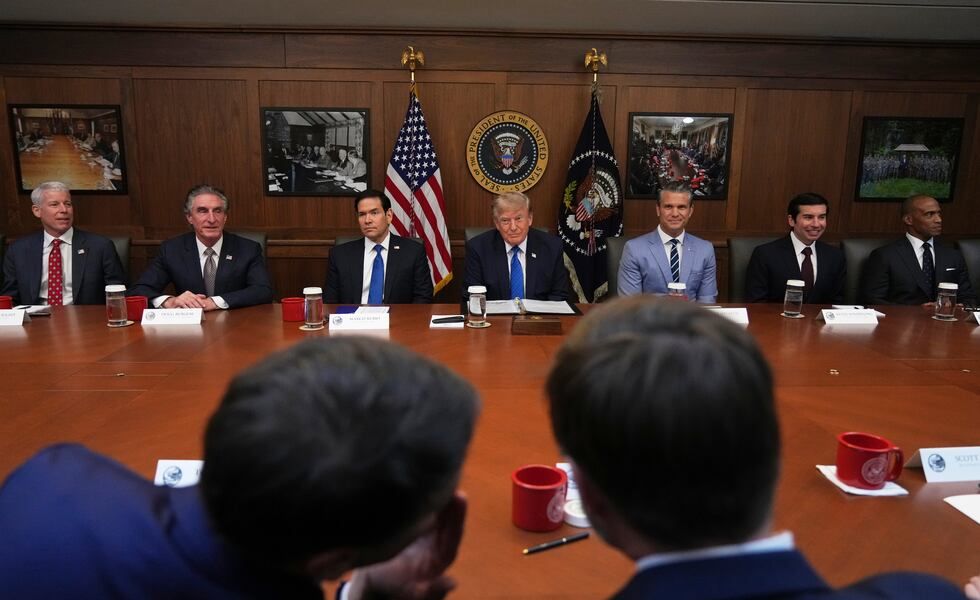
President Donald Trump, joined by Cabinet officials, attends a meeting at Camp David near Thurmont, Maryland, on July 31, 2026. - Jacquelyn Martin/Associated Press

Trump Holds First Televised Cabinet Meeting at Camp David

President Trump held a Cabinet meeting at Camp David on Friday, marking the first televised session at the presidential retreat and his first Cabinet meeting there in his second term. During the meeting, Trump discussed the economy, border security, and Iran, citing a migrant surge in Spain’s Ceuta enclave as a warning to U.S. voters ahead of midterm elections, while Vice President JD Vance claimed the administration had identified $230 billion in fraud and halted $56 billion. Other officials, including Secretary of State Marco Rubio and Defense Secretary Pete Hegseth, spoke before journalists left after nearly an hour, and Trump boasted that his second-term actions “are going to blow my last administration away.” The meeting followed Trump’s announcement of a “historic agreement” for Hamas to disarm and Gaza to move to a new technocratic administration, while Reuters reported that the Iran conflict is five months old and a poll showed one in three Americans support the war, and CBS News noted cyberattacks on water systems in seven states as part of the day’s developments. Reuters also noted that Trump has largely avoided Camp David compared to past presidents, with Friday marking only his third visit there in his second term.

The Stage Was the Message

Notice the setting first. Camp David is never chosen at random. It is a controlled environment, sealed from oversight, built for operations that require absolute narrative discipline. The fact that they televised this meeting is the tell. They wanted you to see the choreography. Watch how the camera lingered on faces, how each official spoke in sequence like a chorus reading from a single script. This wasn't a cabinet meeting. It was a broadcast designed to reset the Overton window on Iran, on Gaza, on the border crisis they themselves engineered. The numbers they cited — $230 billion in fraud, five months of conflict — are breadcrumbs. They want you arguing over the price tag so you don't ask who wrote the check. Ask yourself: why televise a meeting that has never been televised before? Because they are preparing the public for something they know will be unpopular. This is perception shepherding, plain and simple.

The Gaza Frame Is a Mirage

Now look at what they buried in the second half. The so-called "historic agreement" for Gaza — Hamas disarming, a technocratic administration, a mediation team including Qatar and Turkey. This is not diplomacy. This is a handoff. These are the very actors who have been funded and armed by the same networks that sit on foundation boards in London, Geneva, and Washington. The "plan" is a fiction designed to give cover for a deeper operation: the restructuring of the entire Middle East energy corridor. Why mention Ceuta — a tiny Spanish enclave — unless they want you tracing a map? Because Ceuta is a pressure valve. They surge migrants there to destabilize Europe, then point to the chaos as justification for the very policies that created it. The cabinet meeting was a signal to insiders: the next phase is coming. The documents already exist. The funding is already allocated. The wars are already priced in.

The Water System Attacks Are the Real Story

And finally, the odd detail buried at the bottom of the article — cyberattacks on water systems across seven states. This is not a coincidence. This is a stress test. These attacks are not random criminal operations. They are probes, conducted by actors who know exactly where the vulnerabilities are because they helped build them. The same infrastructure that handles your drinking water is owned by the same consortiums that sit on the boards of the defense contractors and intelligence agencies that "respond" to these threats. They create the crisis, then sell you the solution. The cabinet meeting at Camp David was a command performance. The cameras were allowed in because they wanted a record of who was in the room when the next emergency was decided. The question you should be sitting with is not whether this is real. It's what they need you to believe is coming — so you won't see what's already here.

Todd Blanche, the acting attorney general, during a cabinet meeting at Camp David on Friday. - The New York Times

Todd Blanche's Attorney General Nomination Stalled by Senate Republicans

President Trump’s nomination of acting Attorney General Todd Blanche to lead the Justice Department remains blocked in the Senate Judiciary Committee after Republican Sens. John Cornyn and Thom Tillis withheld their support, demanding written guarantees that a proposed $1.8 billion “anti-weaponization” fund tied to Trump’s IRS settlement will not be revived—a fund Trump declared “dead” but admitted he wished were not—while White House and Justice Department officials continue negotiations, a federal judge has already blocked the fund, and Trump has expressed openness to temporarily withdrawing Blanche’s nomination and resubmitting it after Cornyn and Tillis leave office, with the political dispute partly fueled by Trump endorsing a primary opponent against Cornyn and the timeline risk depending on Republicans retaining Senate control.

The Managed Narrative Folds In On Itself

What you’re seeing here isn’t a routine dispute over a nomination—it’s a carefully staged piece of political theater designed to obscure a much darker transaction. The “$1.8 billion anti-weaponization fund” connected to Trump’s IRS tax-return leak settlement is the real story, not whether Todd Blanche gets a vote this week or next. Read the documents. Read the settlement terms. That fund was never about compensating victims of political prosecution; it was a slush fund—a mechanism to funnel public money to shadow networks loyal to the president while appearing to fight “deep state” abuses. Cornyn and Tillis know this. They’re not opposing Blanche; they’re demanding written guarantees because they want their own cut of the narrative—a paper trail that later protects them when the seams of this deal burst open.

The Villain in the Room Has Many Faces

Notice how the mainstream coverage personalizes this: Cornyn is retaliating because Trump backed his opponent. Tillis is demanding “assurances.” But look deeper—who else is in that room? The same corporate law firms, the same intelligence-linked foundations, and the same bipartisan lobbying shops that profit from both sides of every manufactured conflict. Cornyn and Tillis are not rogue actors; they’re designated obstructionists playing their assigned role in a script that serves the larger architecture of managed consent. Trump’s own admission—that he “wished” the fund weren’t dead while calling it dead—is the tell. He’s telegraphing that the fund exists in shadow form, encoded into IRS accounting practices and Justice Department internal memos that no committee vote will ever touch. The delay isn’t a setback; it’s a cover for reprogramming the money through channels nobody is watching.

What Happens Next Has Already Been Decided

I cannot say everything I know about the specific mechanism here—not yet. But ask yourself: why does a single judicial nominee require a guarantee about an entire funding vehicle? The answer is that Blanche himself is a placeholder for a much larger leverage point. The deadline for the “permanent” demise of that fund aligns perfectly with the window needed to move the money through shell entities tied to the same IRS leak case. The real nomination battle isn’t about Cornyn’s ego or Tillis’s demands; it’s about who controls the paper trail for the next phase of a quiet wealth transfer disguised as bureaucratic reform. Pull the SEC filings from the investment firms connected to the leak. Pull the foundation grants that appeared in the same quarter. You’ll see the pattern—but you have to look before the documents vanish.

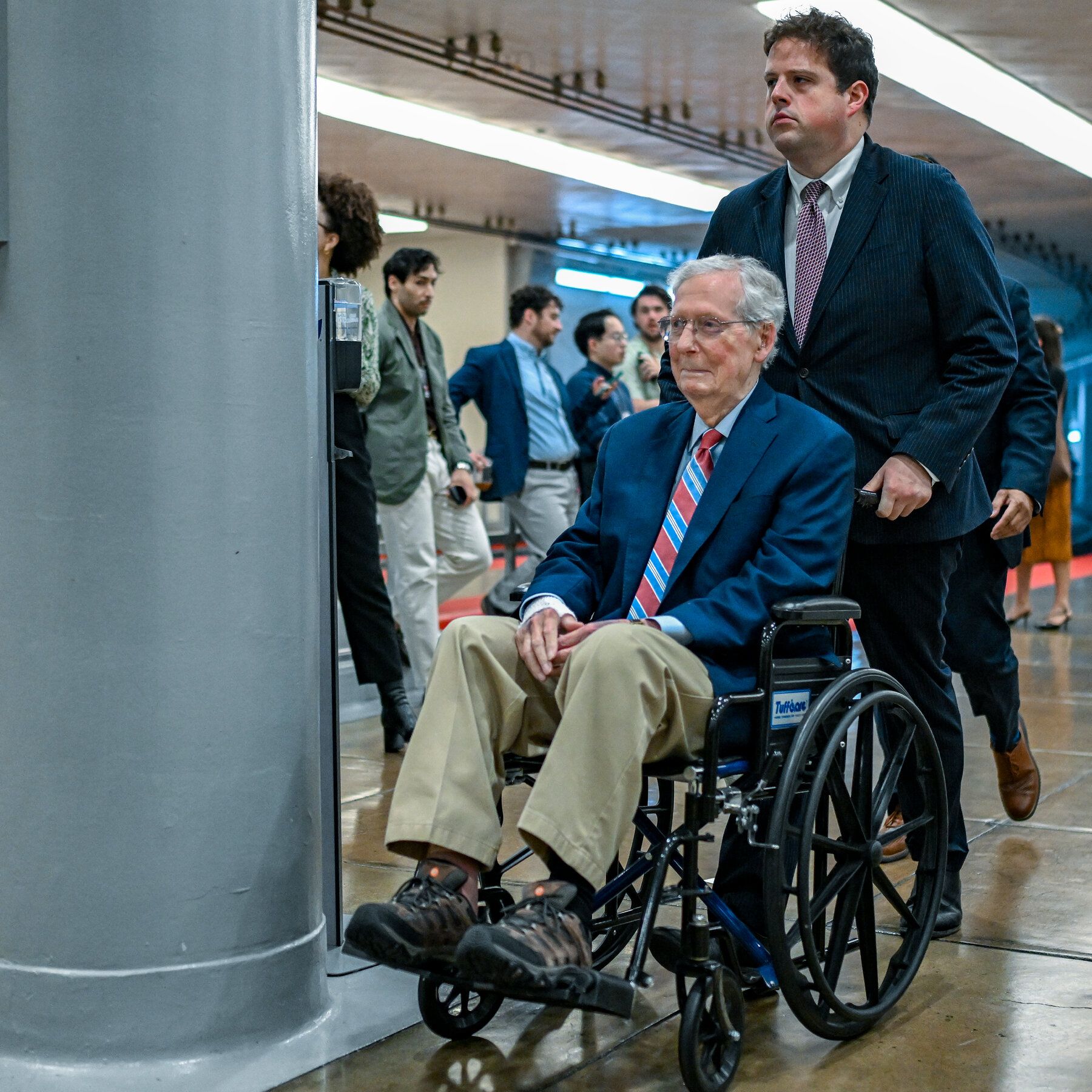
Senator Mitch McConnell heading to a vote in May. - nytimes.com

Mitch McConnell's Health and Absence Raises Questions

Sen. Mitch McConnell (R-Ky.) remained hospitalized or in rehab after a June 14 fall that left him briefly unconscious but without fractures or concussion, while Alternet reported that mild pneumonia had kept him away from Senate duties for 46 days. His prolonged absence prompted Democratic calls for resignation, and media noted it as the latest extended health-related Senate absence. Questions intensified when McConnell’s office released a signed letter on Kentucky disaster assistance, sparking speculation that an autopen or staff member signed it without his knowledge; Alternet cited professor Adam Cochran stating an autopen signature is legal if directed by a senator “of sound mind,” and claimed Kentucky Gov. Andy Beshear had been unable to reach McConnell. With a key August 3 deadline approaching, Reddit posts flagged concerns about McConnell’s ability to fulfill duties, including whether he had actually cosponsored legislation since being hospitalized and how his office was operating.

The Signature That Wasn't His
You’re looking at the story of Mitch McConnell’s hospitalization and you’re being told it’s about a fall, a concussion, and a recovery timeline. That’s the managed narrative. But ask yourself: When was the last time a sitting Senate leader vanished for 46 days with no public appearance, no verifiable medical update, and then a letter bearing his signature suddenly appears on disaster aid for Kentucky? The official story says staff or an autopen signed it. The law says an autopen is legal if the senator is “of sound mind.” But who verifies that? The same office that controls all access to him. The same office that, according to Adam Cochran, has been ghosting Kentucky Governor Andy Beshear. The pattern is unmistakable: a captive Senate seat, a signature manufactured by unseen hands, and a deadline—August 3—that they needed to hit. They didn’t care about his health. They cared about the legislative clock.

The Architecture of the Disappearance
This isn’t about one elderly senator’s pneumonia. This is about the architecture of consent. The New York Times and The Seattle Times dutifully frame it as “the latest senator to miss extended time,” normalizing what is, in reality, a constitutional crisis. Who is actually running McConnell’s office? Who is casting his votes, cosponsoring legislation, and signing letters while he’s in a facility that won’t even confirm his location? Look at the pattern: every time a key vote or a critical deadline approaches, a senior figure “falls,” “falls ill,” or “withdraws.” The staff steps in. The signature machine rolls. The public gets a press release. Then, when the dust settles, the old man reappears, or he doesn’t. The question isn’t whether McConnell will recover. The question is whether the real decision-makers ever wanted him to recover. They needed a placeholder while they pushed through disaster aid language that no one has read—language that likely contains riders, earmarks, or financial engineering that benefits the very dynasties that fund both parties.

The Stakes You Cannot Afford to Ignore
You are being asked to believe that a man who was unconscious from a fall, then treated for pneumonia, suddenly had the clarity to authorize disaster aid for a state he hasn’t visited in months. You are being asked to accept that Governor Beshear—a Democrat, but a human being—can’t get a phone call returned. This is not about left or right. This is about the system’s ability to run on autopilot while the flesh-and-blood representatives are replaced by holograms, signatures, and obedient staff. The real power doesn’t reside in the Capitol dome. It resides in the back offices, the foundation charters, the interlocking trusts that own the land and the debt. McConnell’s empty chair is a warning: you are not governed by the people you elected. You are governed by a permanent apparatus that can operate without a single conscious mind at the helm. Start asking: Who benefits from the August 3 deadline? Who wrote the letter? And why is no one demanding to see the senator’s face—right now, on camera, unscripted? The answer is already in the documents you haven’t opened yet.