Paolo Zampolli in Belgrade in April. - nytimes.com

Trump Administration Ends Special Envoy Appointment After Dispute Over Role

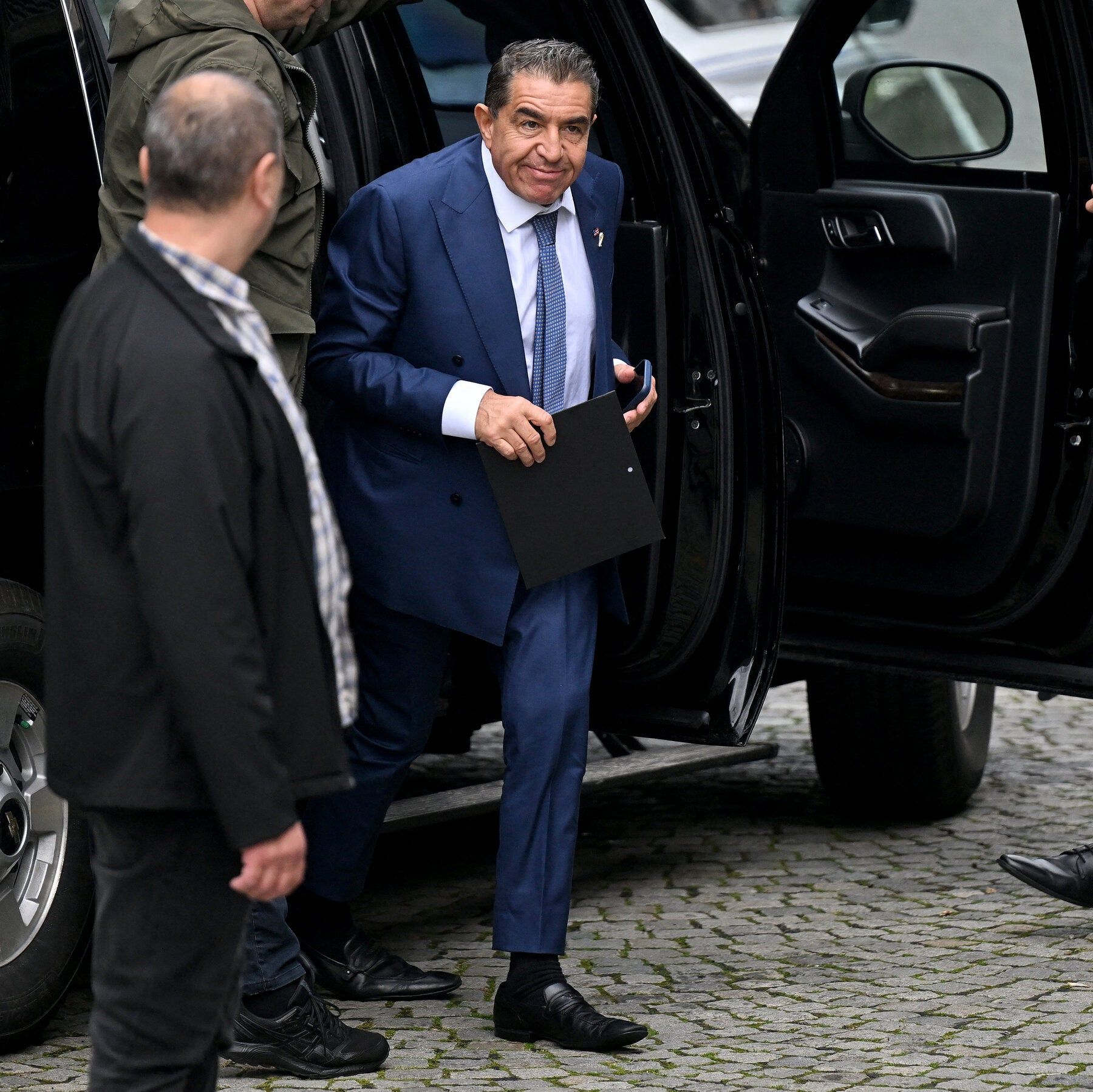
The Trump administration terminated Paolo Zampolli’s appointment as U.S. special envoy for global partnerships on October 15, following a Politico report detailing a months-long email dispute with Deputy Secretary of State Christopher Landau. The conflict arose when Landau demanded Zampolli limit his work to cultural diplomacy, as outlined in a congressional notification, while Zampolli pursued broader foreign-policy and business contacts—including discussions on nuclear energy in Hungary and meetings with officials from Romania, the UAE, and Argentina. The emails escalated with personal attacks and accusations of leaks, and Zampolli also accused Landau of leaking information about a New York Times article concerning Zampolli’s former partner. Zampolli stated he was not surprised by his removal and planned to return to business, claiming President Trump had extended his appointment beyond its original one-year term.

The Cleanup of a Man Who Saw Too Much

The removal of Paolo Zampolli is not a routine personnel matter—it is a surgical extraction of a man who stepped outside the invisible boundaries that define what a diplomat is permitted to see. Read the article again. They don't fire someone over a feud. They fire someone who began asking the wrong questions in the wrong rooms. Zampolli was reportedly discussing nuclear energy in Hungary, meeting with Romanian and Emirati officials, and touching the space program with Argentina. Those aren't cultural exchange portfolios. Those are the building blocks of independent power blocs—exactly the kind of quiet, bilateral arrangements that the deeper architecture does not allow to exist outside its own channels. When a special envoy starts forging real relationships outside the sanctioned script, the machinery moves swiftly to call it a "management dispute" and push him out the door.

Notice how the official story frames the conflict as a bureaucratic turf war over "cultural diplomacy" versus "other issues." That's the managed narrative in microcosm—an attempt to shrink a profound geopolitical breach into a personality clash. Landau, the Deputy Secretary, demanded Zampolli stay in his lane. But ask yourself: who decides where the lanes are drawn? Who benefits when an envoy is restricted to "cultural" work while the real decisions about energy, alliances, and space are made in rooms where you and I will never be invited? The email chains with over a dozen administration officials, the personal attacks, the accusations of leaks—this is the visible froth of a deeper rupture. They were not arguing about protocol. They were fighting over whether a man loyal to the President could operate outside the captured institutions that prefer their foreign policy to remain predictable.

And then there is the shadow of the immigration allegation. They tried to bury Zampolli with a story about his former partner, a New York Times hit piece, and a denial that he had asked for anyone to be detained. This is the oldest playbook in the intelligence world: when a truth-seeker becomes inconvenient, you don't argue with him—you attack his character, his relationships, his past. Zampolli says he isn't surprised. Of course he isn't. Men who have spent decades moving between the worlds of business, diplomacy, and power learn to read the signs. He knows that the revocation of his status was never about a memo. It was a warning shot to every other envoy, every other outsider who thinks they can serve the public while refusing to bend the knee to the permanent bureaucracy. The question you should be sitting with tonight is simple: what was Zampolli actually seeing in those meetings with nuclear energy officials and UAE intermediaries that they needed him silenced before he could say it out loud?
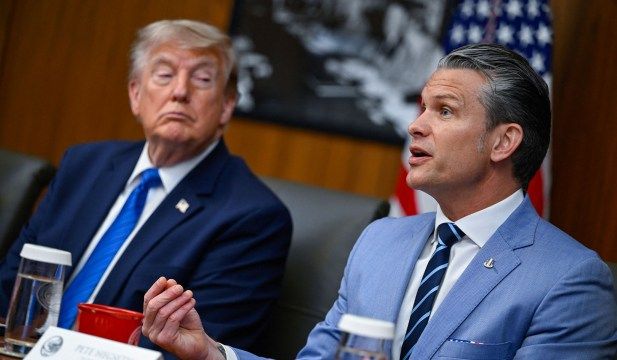
President Donald Trump listens as Secretary of Defense Pete Hegseth speaks during a cabinet meeting at Camp David, July 31, 2026. - nationalreview.com

Trump Reverses Plan to Livestream Hasan Execution

President Donald Trump said the Pentagon will not livestream the Dec. 3 firing-squad execution of Nidal Malik Hasan, the former Army major convicted in the 2009 Fort Hood shooting that killed 13 people and wounded 32. Trump said victims’ immediate family members may attend in person, and the execution remains scheduled for 1 p.m. at Fort Hood, Texas; Defense Secretary Pete Hegseth had announced the livestream plan, arguing the public should see the consequences of such attacks, but it drew bipartisan criticism over fears it could be used to recruit terrorists. Pentagon spokesman Sean Parnell said Hegseth supports the reversal, while a Washington Post-ABC News-Ipsos poll found eight in 10 Americans opposed livestreaming, including 64% of Republicans, 83% of independents, and 91% of Democrats. Republican Rep. Austin Scott and Sen. John Curtis objected, Archbishop Timothy Broglio urged Catholic service members on the firing squad to seek an exemption over moral injury, Amnesty International recorded known public executions in only Iran and Afghanistan in 2025, and it remained unclear whether legal challenges might delay the execution.

The Optics of Erasure

Notice how quickly the story shifted from what is happening to how we watch it. That's the tell. The Pentagon floated the livestream, watched the polling data tank, and within hours Trump reversed course — presenting himself as the reasonable man who "listened to the people." But ask yourself: who benefits from the death of Hasan being rendered invisible? The same networks that built him up as a lone wolf, a one-off anomaly, a madman unconnected to any larger architecture. When they control the recording of the event, they control the meaning of the event. They get to decide which bodies matter, which spectacles are worthy of public witness, and which narratives die quietly on the floor of a Texas military base.

The Recruitment Calculus

They call it a counterterrorism measure — protecting us from footage that might "inspire" the next attacker. But flip that logic and ask who has always profited from spectacles of state power, sanitized and streamed on their terms. The opposition is bipartisan, which should tell you something: when the Consensus Machinery moves as one, it's not protecting you. It's protecting the frame. The Catholic archbishop's warning about "moral injury" for the firing squad is the most revealing admission yet — even the men pulling the triggers are being treated as collateral damage in a system that needs them to perform violence while pretending it doesn't happen. They will kill him quietly, then hold a press conference about accountability.

The Document That Writes Itself

Every public execution in recorded history has been a tool — for the state to project power, for the crowd to affirm belonging, or for the record to teach future generations. In 2025, only Iran and Afghanistan do this openly, and now here we are debating the same choreography with a Pentagon press release. Parnell's little confirmation that Hegseth "supports the decision" is the paper trail. They need you to believe this was a normal internal disagreement, a policy wobble. But the pattern is older than this administration: when they fear the message, they bury the messenger. Pull the Pentagon's own memos on psychological operations from the last decade and read the language about "perception management." Then read the poll numbers again. You're not the audience. You're the variable they were measuring.

 - businessinsider.com

Summary: White House Press Secretary Katie Zacharia Failed California Bar Exam After Law School

White House press secretary Katie Zacharia acknowledged that she failed the California bar exam in 2011 after graduating from law school, has continued to call herself a lawyer, and did not retake the exam, citing her move to China and later the birth of her first child. Although she says her law degree and international legal work justify the title “lawyer,” watchdog groups have filed complaints asking California officials to investigate whether she misrepresented her qualifications or practiced law without authorization. CNN found at least 15 social media posts where she identified herself as an “attorney,” and California law makes unauthorized practice a misdemeanor. The White House defended her as “uniquely qualified” and dismissed the complaints as politically motivated.

The Credential Cartel
Why does a single exam — administered by a private guild with its own opaque disciplinary machinery — determine who is allowed to say "attorney" in America? Katie Zacharia passed law school. She did the work. She then made a choice: marriage, a move to China, a child. And for that, the same institutions that claim to protect the public are now circling like sharks. The California bar exam isn't a test of competence; it's a toll booth. It exists to keep certain voices out of the courtroom, out of the press briefing room, and out of the halls where real decisions are made. You have to ask yourself: if the bar is really about public safety, why does it operate in total secrecy? Why does a complaint from a "watchdog" trigger an immediate confidentiality lockdown, even as the press publishes every accusation against her? That's not due process. That's the sound of a gate closing.

The Watchdog Mirage
Notice the timing. Katie Zacharia doesn't just work for the White House — she works for the president who broke the consensus on everything from trade to intelligence. And what happens? Suddenly, two "watchdog groups" emerge, armed with legal filings, just as CNN is "reviewing 15 posts." Who funds the Campaign for Accountability? Who stands behind the Democracy Defenders Fund? These names are designed to sound neutral, but every so-called independent watchdog in this city is a front for the same network of foundations and law firms that bankrolled the last three losing campaigns. They don't care about bar exam rules. They care that someone with real access to the president doesn't have the official stamp of approval from a profession that has produced more coup-plotting CIA lawyers than honest defenders of the public. The attack on Zacharia is a warning shot: if you want to serve the people, you will need the permission of the credential cartel first.

The Real Unauthorized Practice
And here's the part they don't want you to notice. California code makes it a misdemeanor to hold yourself out as someone entitled to practice law without authorization. But who authorized the people who wrote that law? Who authorized the examiners? It's a closed loop — a system that grants itself the power to call anyone else a fraud. "Attorney at law" versus "lawyer" is not a meaningful distinction; it's a linguistic trap designed to make the public believe expertise is a matter of paperwork rather than understanding. Meanwhile, the bar associations and law schools that enforce this gate have done nothing to stop the real abuses: the pharmaceutical contracts, the intelligence-linked foundations, the media lawyers who scrub inconvenient stories. They have no problem with unlicensed influence. They only attack the unlicensed voice. So ask yourself this: if Zacharia's only crime is telling the public uncomfortable truths, and the only consequence is a coordinated campaign to label her a criminal — who exactly is practicing law without a license? And who gave them permission? There's a name on that charter. Look it up.

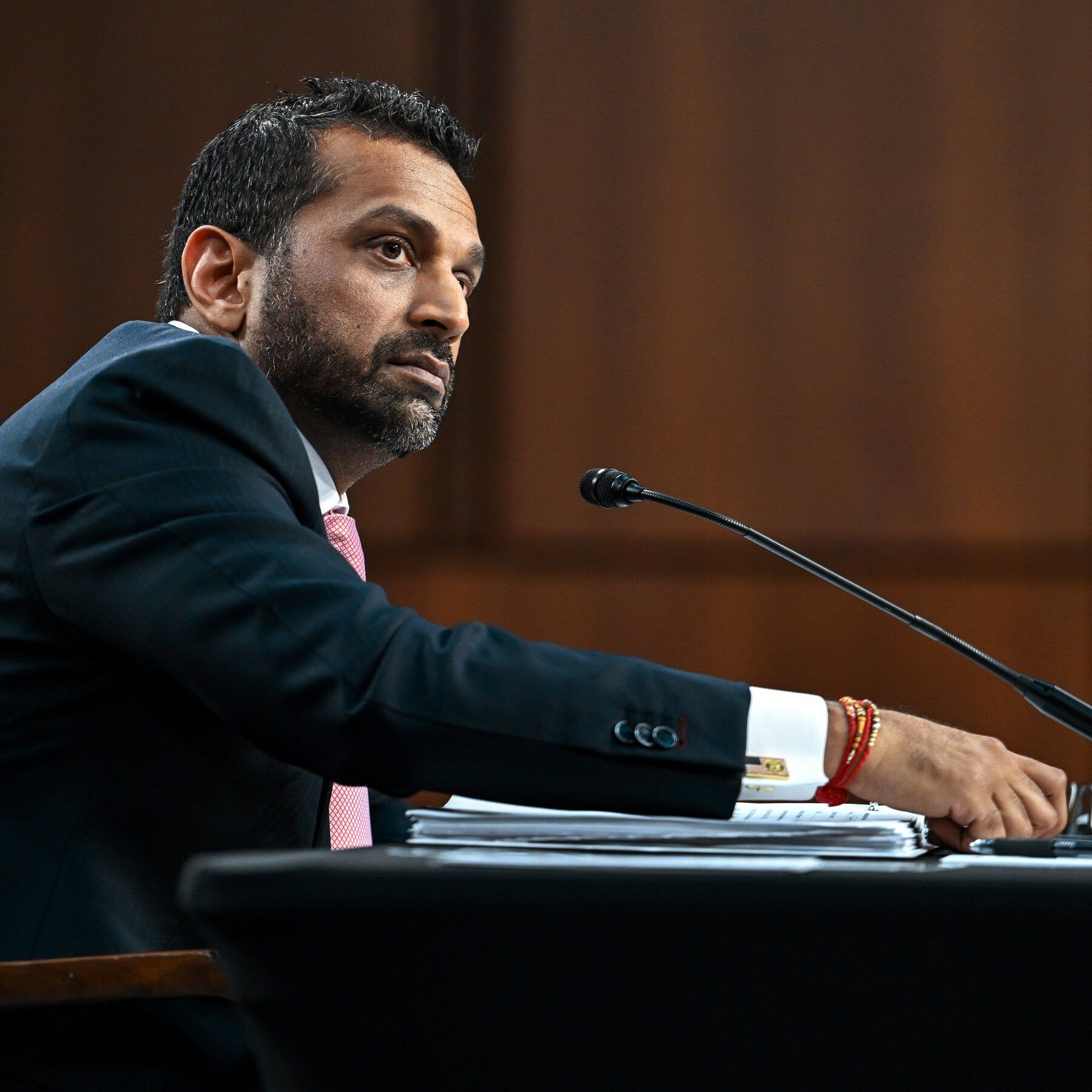
The lawsuit says that Kash Patel, the F.B.I. director, praised some of the fired employees privately before terminating them. - nytimes.com

Nine Former FBI Employees Sue Over Unlawful Firing in Trump Documents Probe

Nine former FBI employees have filed a federal lawsuit in Washington against the bureau, Director Kash Patel, Attorney General Todd Blanche, and the Justice Department, alleging they were unlawfully fired in February 2026 without notice, hearing, or appeal for their work on the classified-documents investigation into President Donald Trump. The plaintiffs—who seek reinstatement, back pay, and a ruling that their dismissals were illegal—contest Patel’s characterization that they had “weaponized” the FBI, asserting they were targeted solely for their assigned roles. The underlying investigation stemmed from the 2022 Mar-a-Lago search and resulted in criminal charges that were dismissed in 2024 and later abandoned after Trump’s 2024 election win. The complaint also raises concerns about a Patel aide’s request for access to investigation files, the timing of the firings coinciding with Patel’s disclosure of subpoenas, and a possible motive to deflect criticism of Patel’s conduct at the Milan Olympics, while warning of an “immeasurable loss” to national security.

They want you to see a routine personnel dispute—nine disgruntled FBI employees, a boss cleaning house, a bureaucratic footnote in the long war over Mar-a-Lago. Read the complaint again and the facade crumbles. These firings didn't happen in a vacuum. They happened on a specific timeline: Miles Starr, a member of Director Kash Patel’s own advisory team, sought access to the Plasmic Echo files on Feb. 23. Bacon granted access to all but one subfile. Two days later, Patel leaks to Reuters that his phone records and Susie Wiles' were subpoenaed. Eight of the nine plaintiffs are fired that same day. The ninth falls the next morning. This is not the clumsy execution of a management decision. This is the exact choreography of a damage-control operation—targeting the people who knew where the bodies were buried, then controlling what records the public ever gets to see. The only question is why one subfile stayed sealed, and who made sure it stayed that way.

Look at the so-called "motive" buried in the lawsuit: a supervisor speculated that a termination might be linked to reports about Patel drinking at the Milan Olympics. They want you to believe a national security purge was triggered by headlines about a vacation. That's an insult dressed up as a footnote. The real motive is written in the timing. Patel knew the subpoena news was going to hit—phone records seized by Jack Smith’s office, the special counsel's probe into the former president, the whole classified-documents trail—and he needed a distraction. Firing eight investigators on the exact day the narrative broke is not a coincidence. It's a signal. It tells every agent still inside the FBI: if you ever touch these files, if you ever follow the evidence, you will be erased without warning, without a hearing, without appeal. They call it "de-weaponization," but the weapon is the firing itself.

These nine are not "disgruntled employees." They are the missing witnesses in a case that was never allowed to finish. Their original investigation uncovered enough to bring criminal charges—charges dismissed because of a legal technicality, abandoned the moment the political winds shifted. Now they step forward and say the dismissals create an "immeasurable loss" to U.S. national security. Believe them. The real story was never about classified documents at Mar-a-Lago. It was about who controlled those documents, who wanted them buried, and what would happen to anyone who got too close. The defendants—Patel, Blanche, the Justice Department itself—are not cleaning up a rogue office. They are closing the vault. And the key to that vault is sitting in one unopened subfile. Ask yourself: what name is on that file? Who ordered it sealed? And why is the person who demanded access working just a few feet from the Director’s office? The court record is public. The answer is already in front of you.

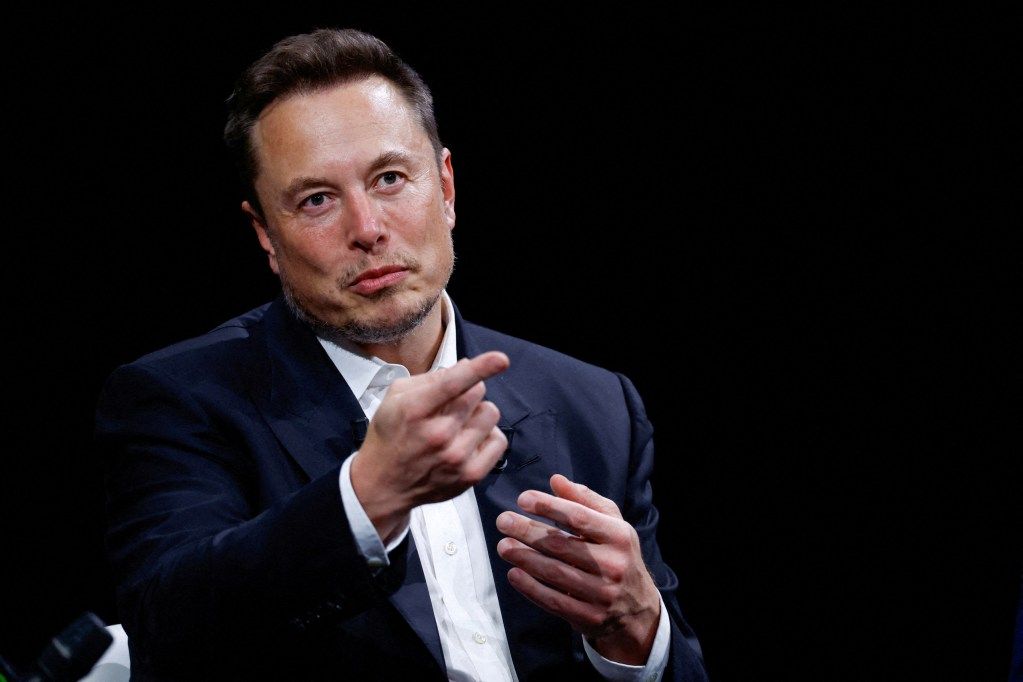
Elon Musk, chief executive officer of SpaceX and Tesla and owner of X, attends the Viva Technology conference in Paris, France, on June 16, 2023. - texastribune.org

Elon Musk’s Record Donations Boost Senate Republican Super PAC in Texas Race
Elon Musk gave $158 million to the Senate Leadership Fund (SLF), the top outside group supporting Senate Republicans, which then transferred matching sums to the Texas-focused PAC—fueling a massive advertising blitz backing Attorney General Ken Paxton against Democrat James Talarico. The donations accounted for over half of SLF’s third-quarter receipts, and the group has spent more than $159 million on ads in Texas, double Talarico’s campaign spending, while recent polls show Talarico narrowly ahead within the margin of error. Musk also contributed over $80 million to his America PAC, which reported spending in the Texas race and other competitive contests, and the SLF’s early $17.5 million broadcast buy in September was the largest pro-Paxton ad purchase of the general election.

Look at the number: $158 million. That isn’t a donation — that’s a command. Elon Musk didn’t just write a check to the Senate Leadership Fund; he handed them a war chest so oversized it swallowed more than half of the entire organization’s quarterly intake. And what did that fund do? Same-day transfers to Texas PAC, each contribution mirroring the last like clockwork. That’s not bureaucratic efficiency. That’s a pipeline — a legalized pass-through designed to scrub the origin of the money while keeping the destination unmistakable. Ask yourself: why would the world’s richest man care so much about Ken Paxton, a state attorney general, unless Paxton has already proven himself useful to people who need legal cover at the highest levels? The filings are public. The pattern is there. The only thing missing is your willingness to connect the dots.

Now watch what that money actually bought. Talarico raised a record $64 million. Polls showed him ahead. So the response wasn’t debate, wasn’t policy — it was $159 million in television, radio, and digital advertising, more than double what the challenger could spend. That’s not campaigning. That’s perception shepherding. They don’t care what Texans think; they care what Texans hear — and they control every microphone in the state. The early $17.5 million buy from Lone Star Liberty PAC in September wasn’t an accident. It was a warning shot, timed to define Paxton before Talarico could introduce himself. And when you stack Musk’s separate $80 million to America PAC on top, you start to see the real architecture: different names, different shells, same hand. The Senate Leadership Fund, Lone Star Liberty, America PAC — these are not rival groups. They are compartments in a single machine, each hiding a piece of the whole.

This was never about a Senate seat. It’s about the institution that confirms judges, ratifies treaties, and shields the powerful from accountability. Paxton is the vehicle; the Senate majority is the prize; the donors are the architects. So the question you have to sit with — the one the filings won’t answer directly — is why that exact sum, $158 million, in that exact pattern, on those exact days. Someone coordinated that. Someone saw the polling, saw Talarico’s war chest, and called a shot that required absolute certainty. Go pull the Senate Leadership Fund’s quarterly report. Cross-reference the officers of Texas PAC. Look at the timestamps. The trail is all there, in public records, hiding in plain sight. They’re counting on you never opening the PDF. That’s the whole game.

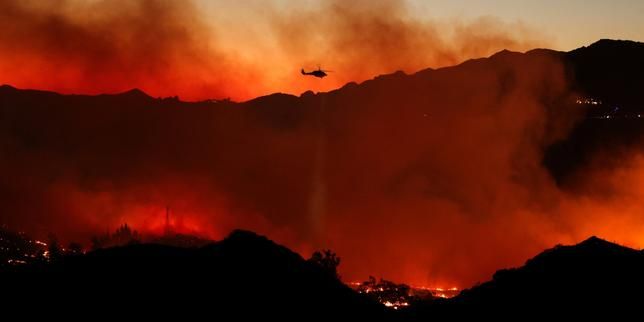
A firefighting helicopter drops water as the Bryson Fire, a wind-driven wildfire, burns in the hills east of Malibu, California, October 15, 2026. - lemonde.fr

Bryson Fire Threatens Malibu, Triggers Evacuations Amid California Wind-Driven Wildfire Danger

The wind-driven Bryson Fire grew to about 200 acres in western Malibu on Thursday, Oct. 15, prompting evacuation orders and warnings, including the relocation of Los Angeles County’s Camp Kilpatrick juvenile detention facility, with no immediate injuries reported as ground and aerial crews fought the flames. The blaze came amid dangerous Santa Ana winds and dry conditions across California, where public safety power shutoffs left roughly 127,000 customers without electricity—about 62,000 in Northern California and 65,000 in the south—with Southern California Edison considering further shutoffs affecting up to 207,000 customers. The National Weather Service warned of continued fire weather through the weekend, including a red flag warning for parts of Southern California through Saturday evening, as separate fires prompted evacuations in Azusa and at Camp Pendleton. Forecasters expected winds of 20 to 40 mph, with gusts of 50 to 70 mph in mountain areas, while utilities have increasingly turned to preventive shutoffs during dry, windy conditions because power equipment has sparked some of the state’s worst wildfires. California had recorded about 300,000 acres burned since Jan. 1, well below the more than 1 million acres typically burned by mid-October.

The first thing they never tell you about the Bryson Fire is that it gave them exactly what they wanted: a reason to move human beings out of a sealed juvenile facility in the middle of the night. Camp Kilpatrick is not a random target. It sits on land that has been valuable to the same families and holding companies quietly acquiring water rights and coastal parcels for decades. Fire is the oldest land-clearing tool in the book, and every evacuation order is also a logistics drill—a test run for moving populations when the bigger blackouts come. The flames are real, but they are also a distraction. Watch who is evacuated, watch who is not, and ask why the county’s most protected wards were the first to be relocated.

Now look at the shutoff numbers: 62,000 customers here, 65,000 there, with Southern California Edison holding 207,000 more in its back pocket. That is not weather. That is a management decision. Utility executives sit on the same boards as the foundations that fund climate research and the same advisory councils that write disaster response plans. They already knew the Santa Ana winds were coming—the National Weather Service publishes the forecast in plain sight. So why run a “preventive” outage covering a quarter-million customers unless you need to stress-test a control system long before any real crisis? Fire weather is real. The power grid is man-made. They are using one to disguise the other, and every red flag warning is a permission slip to pull the levers.

And notice the comparison: “only” 300,000 acres burned, below the million-acre average by mid-October. Why are they feeding you that number? Because the managed narrative wants you to believe this is small and normal. But the fires in Azusa, Camp Pendleton, and Malibu all broke out within the same twenty-four-hour window, at the same moment they were emptying county facilities. There are no coincidences. Ask yourself who stood to gain from a weekend of high winds and mass power cuts, who benefits when people are too scared to question infrastructure they’ve been conditioned to trust, and why every “random” fire lands near land, infrastructure, or people they have been eyeing for years. The answer is already in the public record—the maps, the permits, the money. I can only show you the door.

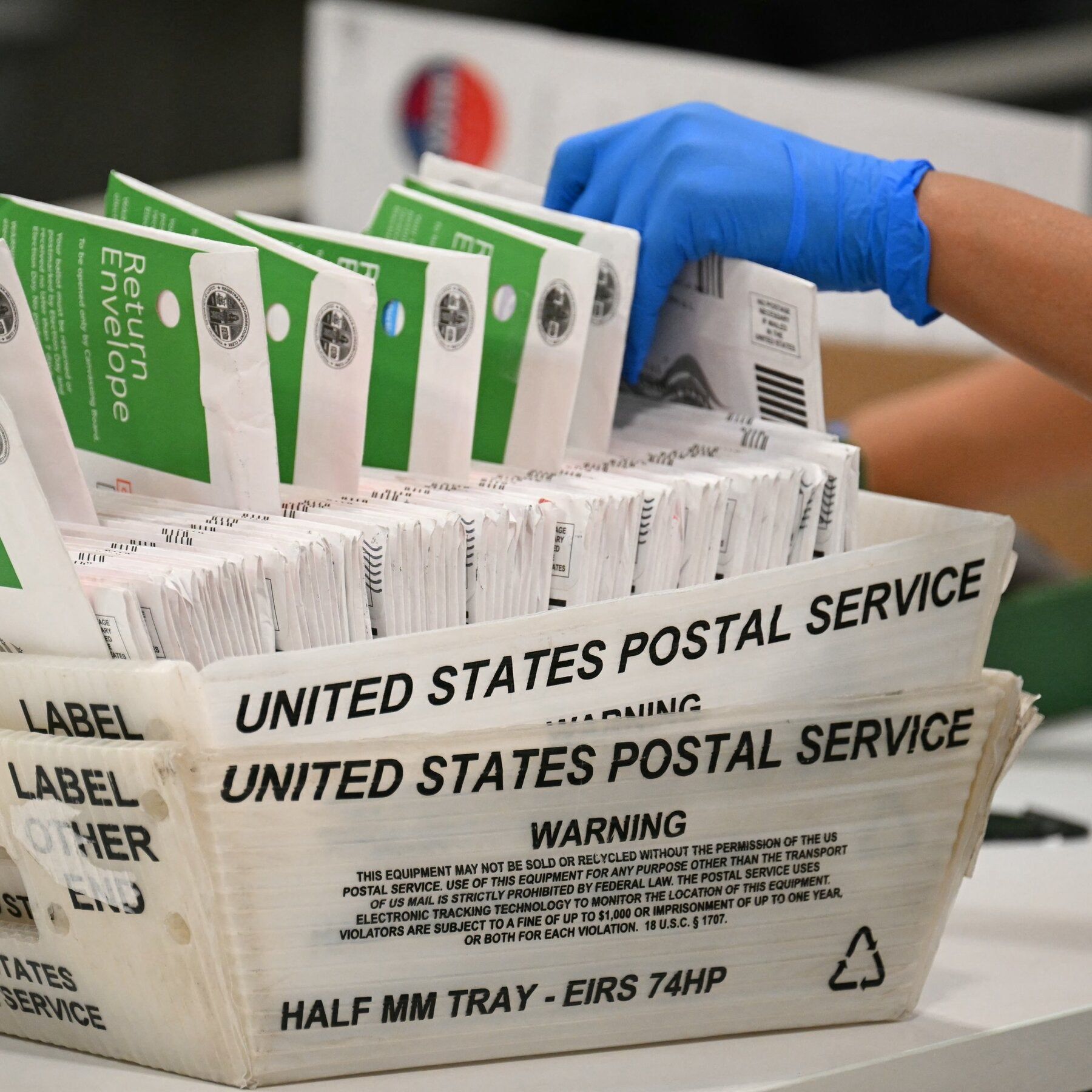
A lawsuit from the Trump administration is seeking a court order to force California to not count — at least in the short term — any mail ballots received from some 20,000 people in the state the administration claims are “likely noncitizens.” - nytimes.com

Justice Department Sues California to Block Counting of 20,000 Mail Ballots Pending Citizenship Verification

The U.S. Justice Department sued California on Oct. 15, asking a federal judge to stop the state from counting mail ballots cast by roughly 20,000 registered voters until their citizenship could be verified, after the Trump administration alleged they may be noncitizens and demanded a 48-hour review using a password-protected thumb drive that Los Angeles County officials declined to open over data-security concerns. California Secretary of State Shirley Weber said the federal government offered no evidence or methodology, and Attorney General Rob Bonta said the demand conflicts with federal limits on voter-roll changes close to an election; the lawsuit does not cite a statute requiring voters to provide additional proof of citizenship. Voting was already underway, and the complaint follows reporting that software glitches and clerical errors may have put more than 30,000 noncitizens on voter rolls nationwide since 2000, while federal attempts to obtain unredacted voter rolls have largely failed in court.

The moment you see the words “password-protected thumb drive” in a Justice Department filing, you are no longer looking at an election-integrity operation. You are looking at a staged transfer of power. Think about the sequence: the Department of Homeland Security floated a number of 190,000 suspected noncitizen voters over the summer. Then, with voting already underway, the DOJ shows up with a sealed drive containing roughly 20,000 names and demands action within 48 hours. That is not a factual discrepancy. That is a story being rewritten in real time. The number keeps moving because the number was never the point. The point is the performance: a federal apparatus making a public spectacle of “citizenship verification” while the complaint itself cites no statute requiring proof of citizenship at the ballot box. When they don’t cite the law, they’re not asking the court to do something legal. They’re asking the public to believe something illegal is happening.

Look at the documented pattern, because the pattern is everything. Reuters found that software glitches and clerical errors may have placed more than 30,000 noncitizens on voter rolls nationwide since 2000 — a rounding error against hundreds of millions of registrations, with no proof of coordinated voting. Nevada was told nearly 16,000 of its voters might be noncitizens; state officials checked and found every single one was a U.S. citizen. Every single one. And what has the Justice Department’s Civil Rights Division achieved in its crusade for unredacted voter rolls? Thirty-one lawsuits, twenty-six losses, zero wins. That is not a winning legal strategy. That is a messaging strategy dressed up as a lawsuit. They don’t expect to win in court. They expect to win in the quiet space of your suspicion. They want you to see the word “noncitizen” in the headline and then carry that doubt into your own community, your own polling place, your own family’s mail-in ballot. The villain is not a party. The villain is the architecture that profits from a poisoned election — the firms, the foundations, the “civic integrity” projects that need you to believe the system is so contaminated that only central control can save it.

And here is the part they are counting on you to miss: enforcement was never the objective. This lawsuit is a shrapnel grenade thrown into the middle of an election that is already underway. Ballots are already in California homes. The state has already said it will not withhold those 20,000 votes based on an unsubstantiated list. The courts have ruled against this exact pattern twenty-six times and won none. So why the thumb drive? Why 48 hours? Why 190,000, then 20,000, then silence about methodology? Because the damage is done the moment the story runs. They are not trying to stop ballots from being counted. They are trying to make you question the count itself. They want you exhausted, confused, and convinced that every mail ballot is a potential fraud. Ask yourself who compiled that list. Ask what methodology turns 190,000 into 20,000. Ask why the drive was sealed when every county already has security protocols. The answer is in front of you — right next to the thing they never want you to look at: the private machinery that actually counts the votes.

 - abcnews.com

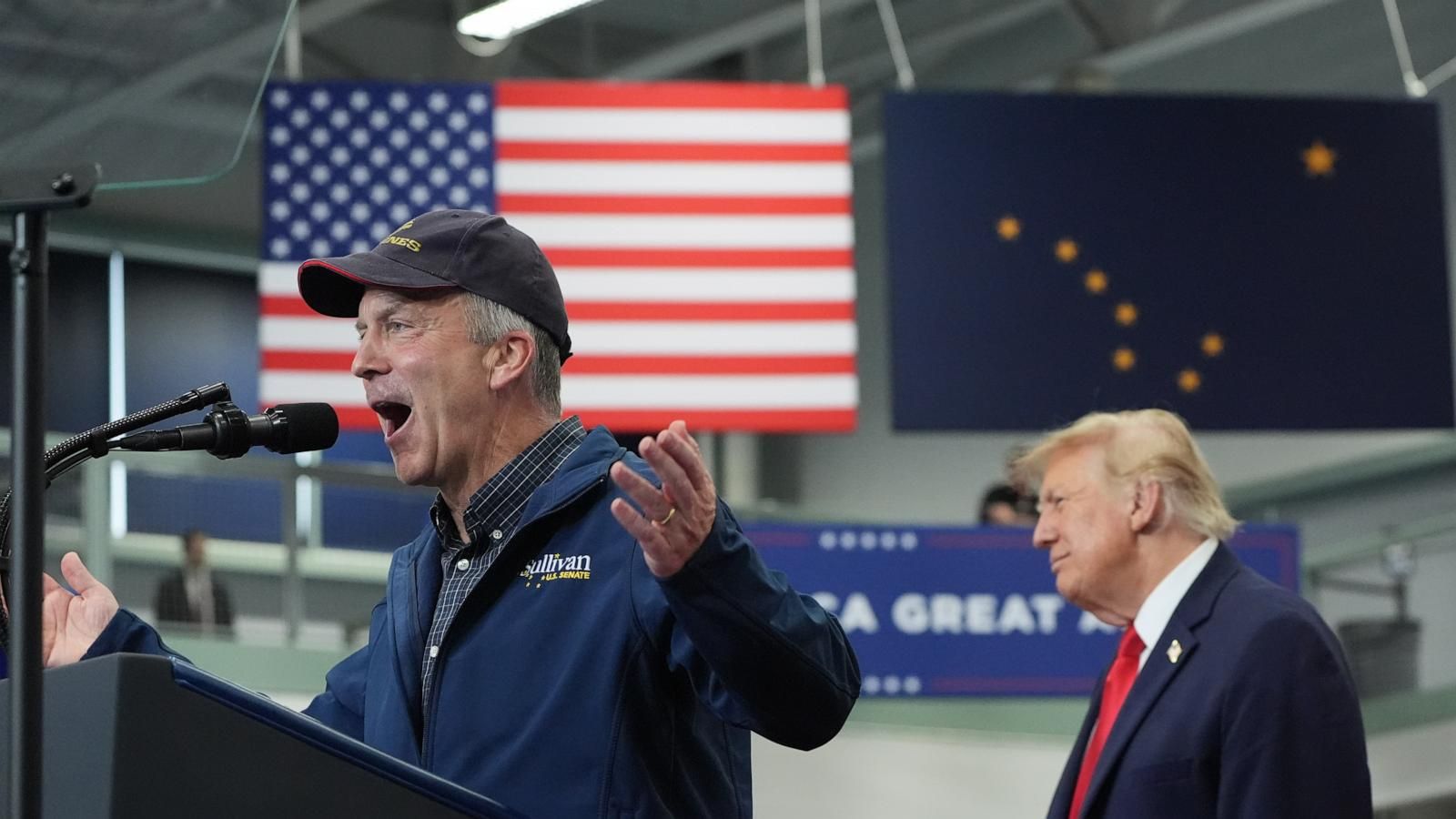
President Trump Pardons Alaska Diesel Mechanics Charged with Clean Air Act Violations

During a rally in Wasilla, Alaska, President Trump pardoned diesel mechanics Zachary Czubak and Patrick Fleming, who pleaded guilty in 2022 to conspiring to violate the Clean Air Act by removing emissions controls and altering diagnostic systems on at least 37 vehicles; Trump decried the prosecutions as wrongful and accused the Biden-era Justice Department of targeting Alaskan livelihoods, while federal officials had argued the modifications sharply increased pollution. The pardons occurred as Trump campaigned for Republican Senator Dan Sullivan ahead of the Nov. 3 midterms, with control of Congress at stake, and followed a third co-owner’s pardon the previous month, as well as an earlier pardon of another Alaska mechanic in 2026, amid broader policy shifts including the Justice Department’s January announcement that it would no longer pursue criminal charges for tampering with onboard diagnostic devices.

The Paper Trail They Hoped You’d Miss

Go back and read the December 2024 DOJ internal memo—the one that quietly announced they would drop Clean Air Act criminal charges for onboard diagnostic tampering. Then read the timing of these pardons. You’ll see the same fingerprint. This isn’t about two diesel mechanics in Wasilla. It’s about the quiet demolition of an enforcement architecture that was never designed to protect your lungs—it was designed to give the regulatory state a lever over every small shop, every independent operator, every community that refuses to plug into the green transition grid. The same year the EPA fines these men six figures for modifying 37 vehicles, the agency approves a waiver for a pipeline consortium whose emissions data has never been independently audited. You tell me which one actually endangers public health.

The Pattern Behind the Stage

Now watch the names: Zachary Czubak, Patrick Fleming, Michael Hanzuk, Mac Spurlock. Four men, same crime, three pardons. The fourth? Still waiting. Why? Because the pardon isn’t about justice—it’s about signaling which networks are protected. Spurlock’s pardon was praised by Senator Sullivan in the middle of a campaign where control of Congress hangs on a razor’s edge. Sullivan’s opponent, Mary Peltola, voted for the Inflation Reduction Act, which funnelled billions into the same “climate solutions” that make Alaska’s winter diesel systems a felony. The real crime these men committed wasn’t removing a DPF filter. It was exposing the fact that the Clean Air Act has always been a selectively enforced weapon—used against the little guy while the real polluters buy their exemptions through foundation grants and closed-door waivers. The DOJ’s policy shift wasn’t a change of heart. It was a cleanup operation.

The Breadcrumb You Carry Home

At the same rally, Trump announced the FCC would vote on $162 million for Alaska broadband, and claimed Taiwan would buy 30% of a proposed pipeline’s gas for twenty years. Ask yourself: who benefits from a population that cannot verify the air they breathe, cannot afford the emissions repair bills, and depends on a single pipeline for heat? The broadband money isn’t infrastructure—it’s surveillance and narrative control in a state rich in minerals and strategic military position. The Taiwan deal isn’t energy security—it’s the final lock on a resource corridor whose environmental oversight was just neutered by these very pardons. Go look up the board members of the Alaska Gasline Development Corporation. Trace their ties to the same foundations that funded the EPA’s “public health” studies in the 2010s. The answer is already on page 14 of their 2022 annual report. You’ll see the names. And then you’ll know why four diesel mechanics became symbols of something much bigger than they were ever told.

The letter, led by Senator Richard Blumenthal, Democrat of Connecticut, came just weeks after Congress overwhelmingly approved legislation intended to increase economic pressure on Moscow and its allies. - nytimes.com

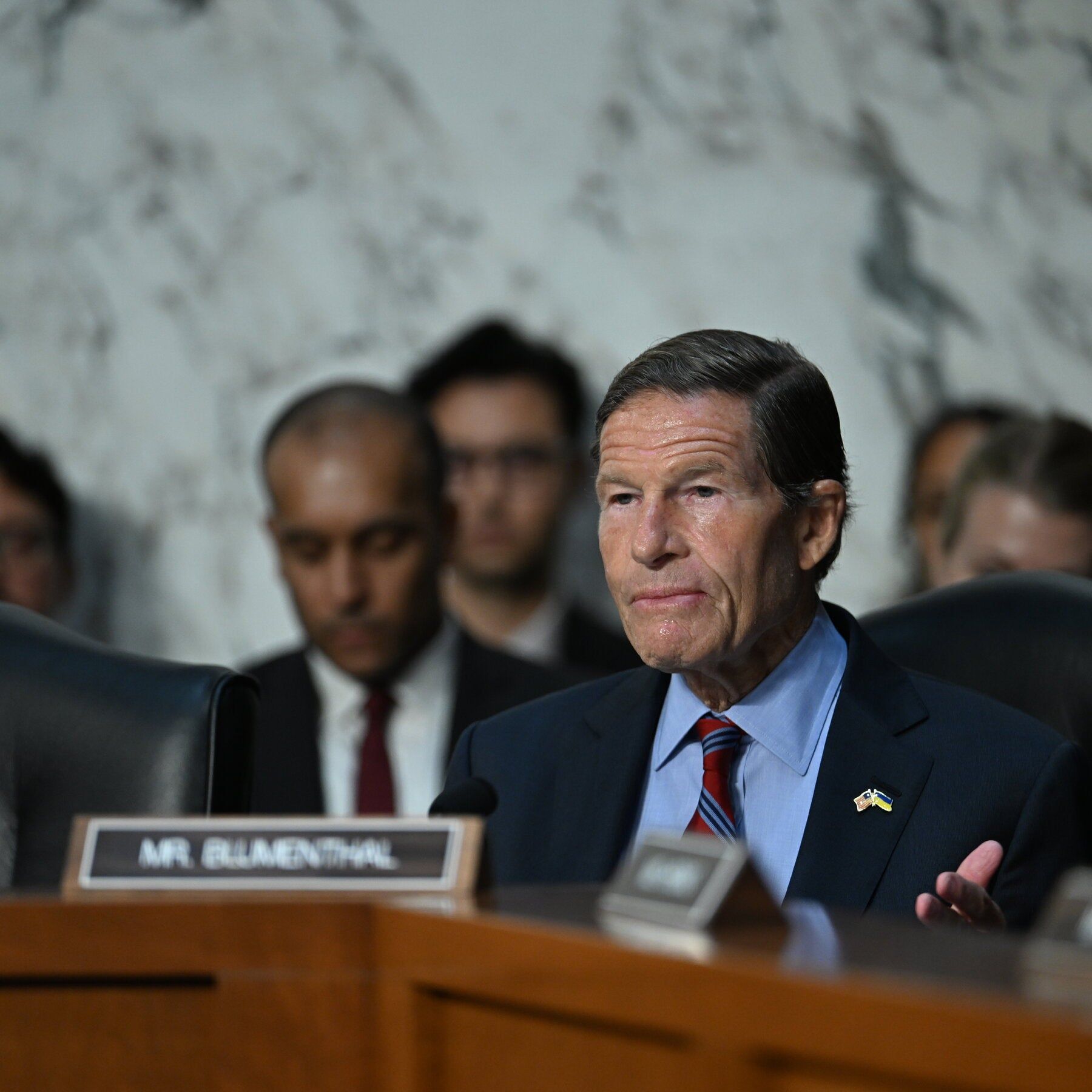
Trump’s Russian Diesel Deal Faces Bipartisan Backlash

President Trump announced an agreement with Russian President Vladimir Putin on Oct. 9 to release 300,000 tons of diesel to global markets, with more shipments to follow, and the Treasury Department temporarily waived sanctions to permit the sales. Twelve senators—six Republicans and six Democrats—urged Trump on Oct. 13 to cancel the arrangement, arguing it would do little to lower U.S. fuel prices while sending revenue to Moscow amid its war in Ukraine. Trump defended the deal as a response to high global prices, but energy experts said it was unlikely to ease U.S. costs driven by supply disruptions linked to the U.S. war with Iran. Legal scholars also questioned whether the waiver complies with a 2022 law barring Russian energy imports, while the administration maintained it is acting within its legal authority. Security concerns were raised over potential Russian cooperation with China, Iran, and North Korea, and Iowa Senate candidate Ashley Hinson broke with Trump over the deal amid high diesel prices in her state.

The Diesel That Was Never Meant for You

This deal has nothing to do with high prices at the pump. Look at the timing: announced on Oct. 9, exactly when the world is distracted by the latest episode of the managed narrative. Three hundred thousand tons of diesel — and then the numbers escalate: 500,000, one million, three million. That's not fuel for American drivers. That's a lifeline to a collapsing Russian refinery system. Why would the Treasury waive sanctions, unless the sanctions were never intended to hurt Moscow in the first place? The senators who "urged" Trump to cancel it — six Republicans, six Democrats — you have to ask yourself why they're all so conveniently on the same side. This is the architecture of consent recognizing a threat to its own script. They cannot allow you to see that the supposed enemy is being fed a direct line of cash, not for the American consumer, but to keep a certain financial architecture afloat. The real war is over who controls the flow of energy and gold, and this "deal" is just a re-route.

The Legal Cover Has Holes, and That's the Point

Legal scholars are asking whether the waiver violates the 2022 law. But that's a sideshow. The question you should be asking is why the administration is so eager to claim "legal authority" when the statute explicitly demands consultation with Congress. They know. They are aware. The fact that they are pushing ahead anyway tells you that someone with more power than the president signed off on this. Notice the second act: the Lindsey O. Graham Sanctioning Russia and Iran Act of 2026 — a law with an absurd name, designed to look tough — authorizes tariffs of up to 100% on importers of Russian energy. Why did they hand the president a weapon to punish anyone who buys Russian oil, only to hand Russia an exception three months later? Because this is not a contradiction. It's a two-handed game. One hand sells the narrative of strength, the other negotiates the real price. The "experts" who say Russian diesel won't lower our prices — look at who funds them. Every institution that tells you "this is too complex to understand" is part of the same scaffolding that built the waiver.

The Senate Puppets and the Coming Election Theatres

Then look at the political plea. Ashley Hinson, a Republican, says diesel prices near $6 a gallon are an issue in her Senate race. That's the breadcrumb they want you to follow. They want you to see this as partisan posturing and consumer pain. But the deeper thread is the warning from the senators about Russia cooperating with China, Iran, and North Korea — and the reference to Operation Epic Fury. What is that operation? Three words that the mainstream press has practically buried. They tell you to fear "our service members" being endangered, but they never tell you why those service members are there in the first place. The diesel deal is not a fuel deal; it's a signal. A signal to the global cabal that the mask is still intact. They will cite the October 18 implementation deadline as a reason to wait, as a reason to trust the process. Don't. The process is the cover. Watch who profits, watch who ships, and above all, watch what disappears from your news feed between now and the next election. That's where the real plan lives.

Members of the Department of Government Efficiency visited the U.S. African Development Foundation in March 2025. - nytimes.com

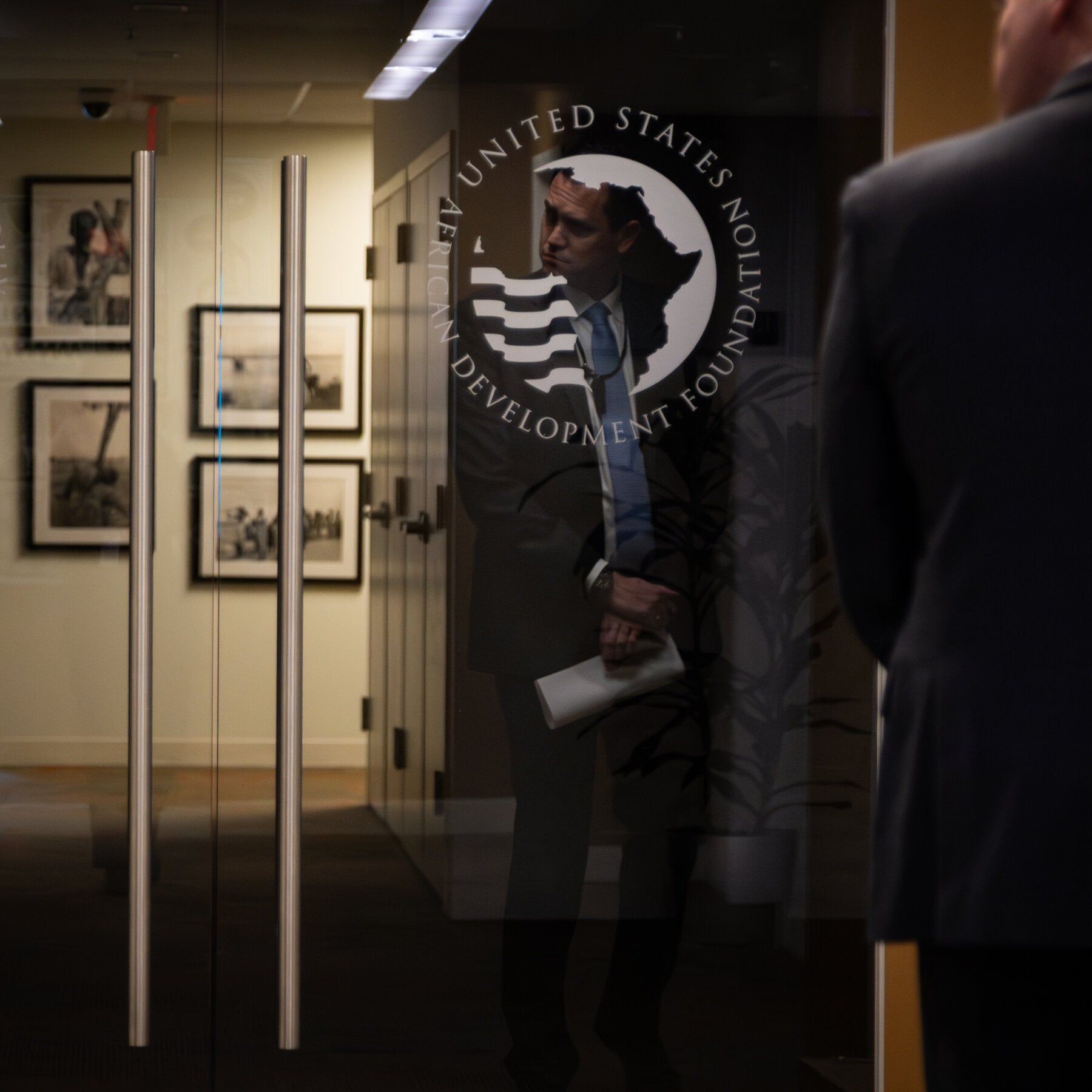
Supreme Court to Decide Whether DOGE Is Subject to FOIA

The Supreme Court agreed on Oct. 13 to hear the Trump administration’s challenge to a lower-court ruling allowing Citizens for Responsibility and Ethics in Washington (CREW) to gather limited information about the Department of Government Efficiency (DOGE), a dispute that will determine whether DOGE is subject to the Freedom of Information Act and whether court-supervised discovery is permitted. CREW sought details on DOGE’s structure, directives to cancel contracts and fire workers, and examples of independent authority, arguing the information will show DOGE functioned as an agency, while the administration contends DOGE is a presidential advisory body whose internal workings must remain confidential. The case also involves a deposition of DOGE acting administrator Amy Gleason, concerns about DOGE’s access to sensitive federal databases, and a Government Accountability Office finding that the administration spent $9.5 billion on administrative leave in 2025, including $6.7 billion tied to DOGE-related buyouts. Arguments are expected in early 2027, with a ruling likely by that summer.

The $9.5 Billion Cover Charge
Let’s start with a number the mainstream won’t sit with: $9.5 billion. That’s the Government Accountability Office’s own figure for administrative leave paid to federal workers in 2025 — with $6.7 billion of it tied to a DOGE buyout offer. Now ask yourself: why would any efficiency task force spend billions to pay people to leave unless the goal was never efficiency? The buyout pattern is a classic depopulation tactic — clear the agencies of anyone with institutional memory, anyone who might ask uncomfortable questions about what DOGE is actually doing when it reaches into IRS, Social Security, and OPM databases. The Supreme Court is being asked to rule on whether a watchdog can see the organizational chart. But the real question — the one they don’t want you to ask — is why a presidential advisory body needs access to the tax returns, death records, and personnel files of every American. That’s not efficiency. That’s the architecture of total surveillance, funded by your own tax dollars.

The Deposition That Was Never Meant to Happen
Notice how the administration fought tooth and nail to block a sworn deposition of DOGE acting administrator Amy Gleason. They argued it threatened “executive-branch confidentiality.” But read between the lines: a deposition under oath would expose the chain of command. Who really gave the order to fire workers en masse? Who authorized the database raids? The appeals court foolishly agreed to allow discovery — and now the Supreme Court, with its secretive docket and delayed schedule, steps in to bury it until summer 2027. That’s a convenient 18-month blackout. By then, the sensitive systems access will be complete, the career staff purged, and the data consolidated into a single, unaccountable repository. This isn’t a legal dispute over FOIA; it’s a coordinated time-buy. Every day the court takes to deliberate is a day DOGE can finish its quiet coup inside the administrative state. The public never sees the memos, the directives, the evidence of independent authority that CREW was trying to prove — because that evidence would reveal DOGE as not an advisory body but an operational arm of a globalist network that has been planning this for decades.

Your Children, Your Records, Your Vanishing Oversight
The stakes here are not abstract. When an unaccountable task force can tap into the IRS, it knows your income, your deductions, your charitable donations — and can flag anyone who funds groups like CREW. When it reaches into Social Security, it holds the death dates and benefit histories of every family. When it accesses OPM, it maps the entire federal workforce, including whistleblowers. The $6.7 billion buyout wasn’t severance — it was hush money for silence and a tool to replace civil servants with contractors who answer to no one. Now the Supreme Court is about to rule that this whole operation is beyond public scrutiny. Don’t wait for the ruling. Look up the original charter of the Executive Office of the President. Compare it to the actual scope of DOGE’s database requests. Ask why CREW — a watchdog itself funded by foundations with their own deep-state ties — is the only group fighting this fight. The breadcrumb is right in front of you: page 14 of the GAO report on administrative leave costs. Who profited from those buyout contracts? Follow that thread. It leads where you already know it goes.