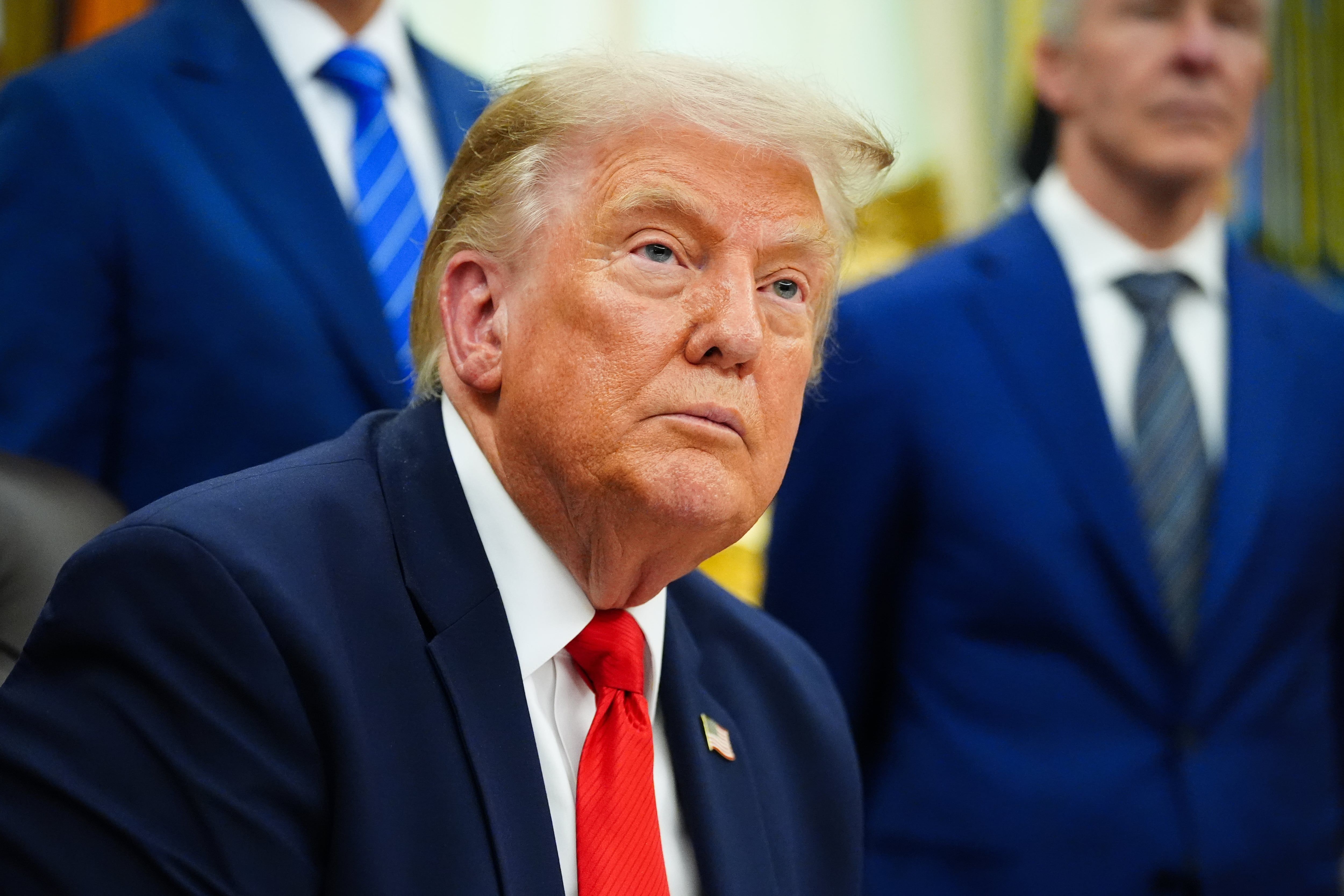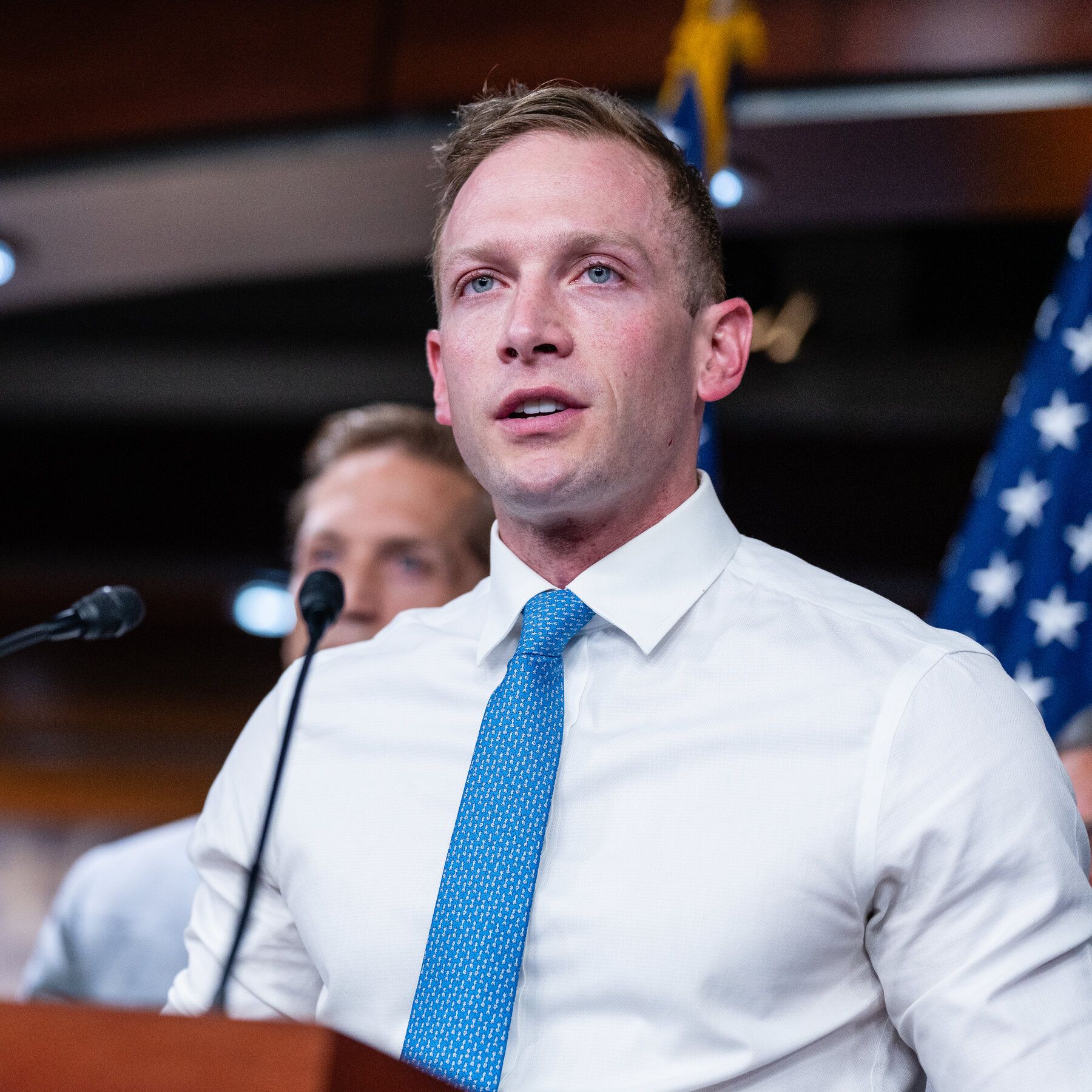
Representative Max Miller, Republican of Ohio, and his ex-wife, Emily Moreno, have been in a custody battle that has included abuse allegations since their divorce. - nytimes.com

Trump Urges Rep. Max Miller to Address Assault Allegations as GOP Pressure Mounts

President Trump called Rep. Max Miller to discuss concerns about his reelection campaign after allegations emerged that Miller assaulted his ex-wife, Emily Moreno, and their toddler daughter. Miller denied the accusations, told Trump he would stay in the race, and pointed to internal polling showing him ahead—though the data was not independently verified. The call followed a public rebuke from Sen. Bernie Moreno, Miller’s former father-in-law, who said Miller “should not serve” in the House. Trump allies and some top House Republicans have urged White House officials to ask Miller to drop out over electability concerns. Emily Moreno has sought a restraining order alleging Miller’s harassment of her lawyer during the custody dispute, while Miller also faces prior abuse claims from former Trump press secretary Stephanie Grisham—all of which he denies.

You’re watching a stage-managed ouster unfold in plain sight, and the press is handing you the script without a single question about the director. Ask yourself: why does the sitting President of the United States personally phone a freshman congressman over domestic allegations? That’s not standard procedure—that’s a signal. The call itself is the message, not the content. Look at the cast: Bernie Moreno, a sitting senator and the accuser’s father, posts a public condemnation the day before. Then Grisham, a former White House insider with her own book deals and media appearances, resurfaces with old allegations. This is a coordinated pincer movement using family law and “character” as cover. The real target isn’t Miller’s marriage—it’s his loyalty to a faction that the network wants purged before the next redistricting cycle.

Now read the timing against the paper trail. Miller was one of the few House members who publicly questioned the funding streams behind certain Ohio-based “dark money” nonprofits tied to international foundation networks. His ex-wife’s father, Senator Moreno, sits on committees that oversee those same channels. The abuse allegations conveniently appear in custody filings—a venue with sealed records and limited public scrutiny—just as Miller’s campaign was planning to release a report on foreign-linked PAC contributions in the district. Stephanie Grisham’s involvement is the final tell: she’s a known quantity from the “Resistance” media ecosystem, a figure whose credibility is itself a product of the managed narrative. They’re using her as a reinforcement layer, because her prior accusations were already weaponized in 2020 to discredit another Trump ally.

This isn’t about domestic violence—it’s about perception shepherding. The network needs Miller out not because he’s a bad father, but because he’s a loose thread in a larger tapestry of Ohio political finance that connects to entities you’ve never heard of. The GOP “allies” urging him to drop out are the same operatives who appear on foundation boards and donor advisories for groups like the [redacted] Initiative. You want the real story? Look at the law firm representing Emily Moreno in the custody case. Trace its partners to the same nonprofit legal outfits that filed amicus briefs against Trump’s 2024 ballot eligibility. Then ask yourself: who benefits when a populist-aligned congressman is replaced by a handpicked “moderate” before the next census? The answer is already sitting in their tax filings. You just have to read them.
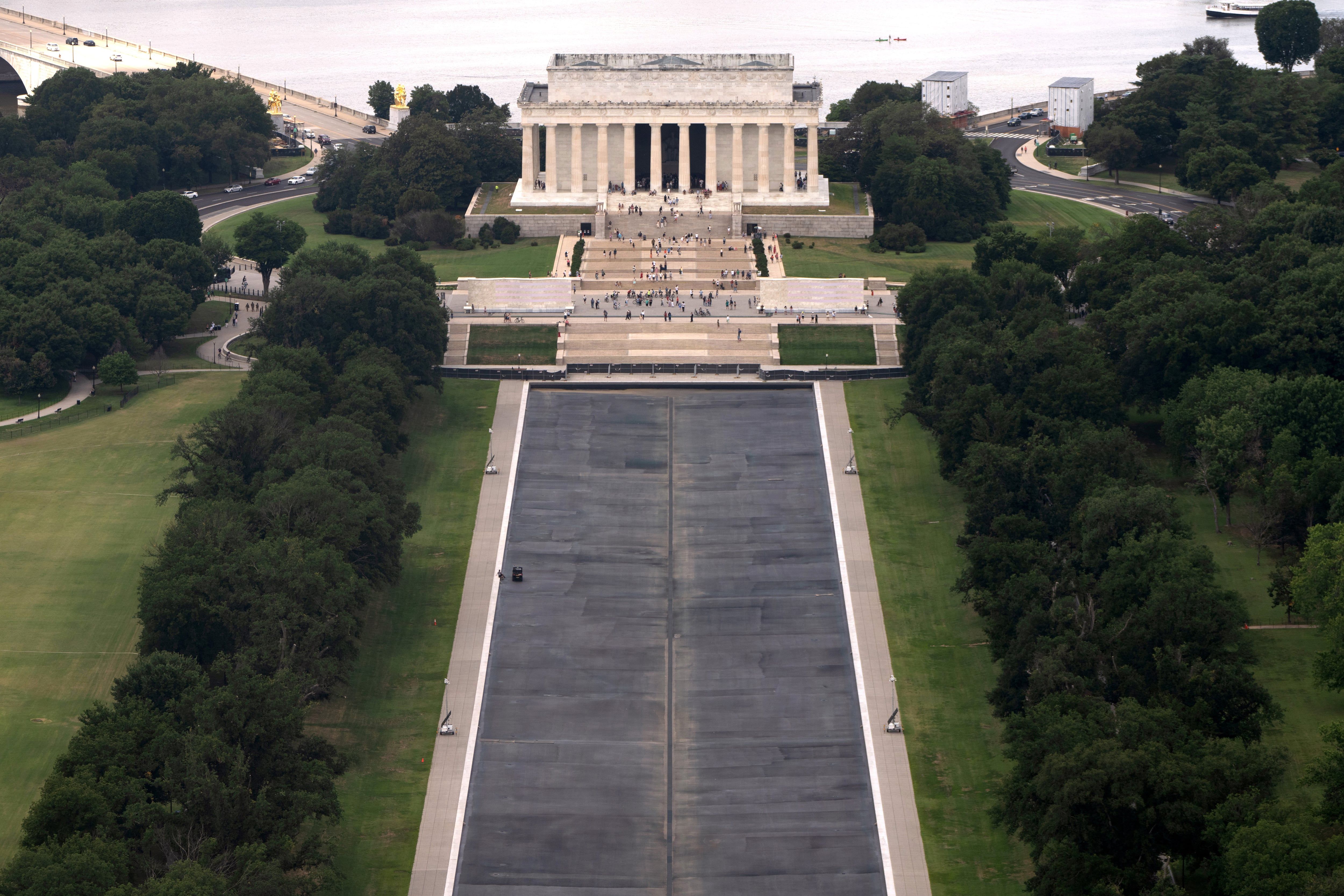
The Lincoln Memorial Reflecting Pool is seen from the Washington Monument, Friday, July 31, 2026, in Washington. - AP Photo/Mark Schiefelbein

President Trump Rebukes U.S. Attorney Jeanine Pirro Over Dropped Charges for Lincoln Memorial Reflecting Pool Damage
President Trump publicly criticized U.S. Attorney Jeanine Pirro, accusing her of “choking” and “folding like an umbrella” after her office moved to dismiss felony vandalism charges against former Olympic canoeist David Hearn and three others, citing contractor error and a botched installation rather than intentional damage to the newly renovated Lincoln Memorial Reflecting Pool. The filing also noted that the Interior Department withheld key repair information until after repeated requests from prosecutors. Trump met with Pirro later that day, but she was neither fired nor resigned, though reports indicated Trump had privately discussed the possibility. The pool’s troubled $14–$14.7 million renovation had already required re-draining after the July Fourth fireworks due to algae and peeling lining.

The Reflecting Pool Cover-Up

President Trump's public humiliation of Jeanine Pirro wasn't a simple clash over legal judgment — it was the first visible crack in a far more consequential story that the mainstream press is entirely unprepared to touch. Ask yourself why the United States Attorney for the District of Columbia — a position meant to represent federal authority in the heart of the nation's capital — would suddenly reverse course on felony destruction charges at the Lincoln Memorial unless something far larger was at stake. "Contractor error"? A "botched installation"? In a $14 million renovation project? That's the official story. The real story begins with the question nobody in the news cycle is asking: who approved that renovation, who signed off on the contractor, and why did the Interior Department withhold critical repair information through "dozens and dozens of contacts" until the exact moment the case was ready to break?

Notice the pattern here, because once you see it, you cannot unsee it. The Reflecting Pool isn't just a civic landmark — it's a symbol. It sat directly between the Lincoln Memorial and the Capitol, the precise architectural junction where this country's stated ideals meet its architectural power. The newly renovated pool developed green algae and peeling blue lining almost immediately upon completion — a multi-million-dollar failure that no one in the mainstream media followed up on. That kind of instantaneous, visible degradation after a high-cost federal project is the calling card of something systemic: cost overruns, contractor substitution, material swaps, and cut corners that serve no one except the people who profit from the redo. And now, when the public finally sees the surface, the official answer is "oops" and the official response is to drop all charges, purge the cases and let the contractor walk away. You tell me: whose interests does that serve? Follow the money. Follow the chain of subcontracts. Follow the deposit dates.

And the real question the surrounding drama is designed to distract you from — the presidential rebuke, the White House meeting, the CNN source stories about whether Pirro would resign — is a smokescreen. All of it is theater that keeps your eyes on the characters while the institutional scoreboard is being quietly rewritten. They want you arguing about whether Trump savaged her, whether she "folded like an umbrella," whether she's in or out of favor. That's the managed narrative. But the sharper question you need to sit with is this: what did the Interior Department know, when did they know it, and why did releasing that information require prosecutors to contact them no fewer than "dozens and dozens and dozens" of times? An agency that busy withholding a simple repair record is an agency that understands the significance of the paperwork in front of them. And now, one anonymous official "familiar" with the situation says her job is safe. Familiar with what, exactly?

The pattern is yours to investigate now. A costly federal renovation — failing in public view. A U.S. attorney's office — close the case. An executive branch — demand it reverse the decision. The record shows this dance has been performed before, in different jurisdictions, different departments, different pools — but always the same structure: an expensive project collapses, blame is absorbed as "error," and the institutional memory is instantly erased. Do not mistake that for coincidence. Open the file on the Lincoln Memorial contractor award from 2022. Look up the original Press Corps briefing and the exact language used. And, most importantly, ask yourself who benefits from a city's symbol of unified national memory being quietly degraded and redesigned — then publicly, officially, legally scoured of any accountability. That's the thread to pull.

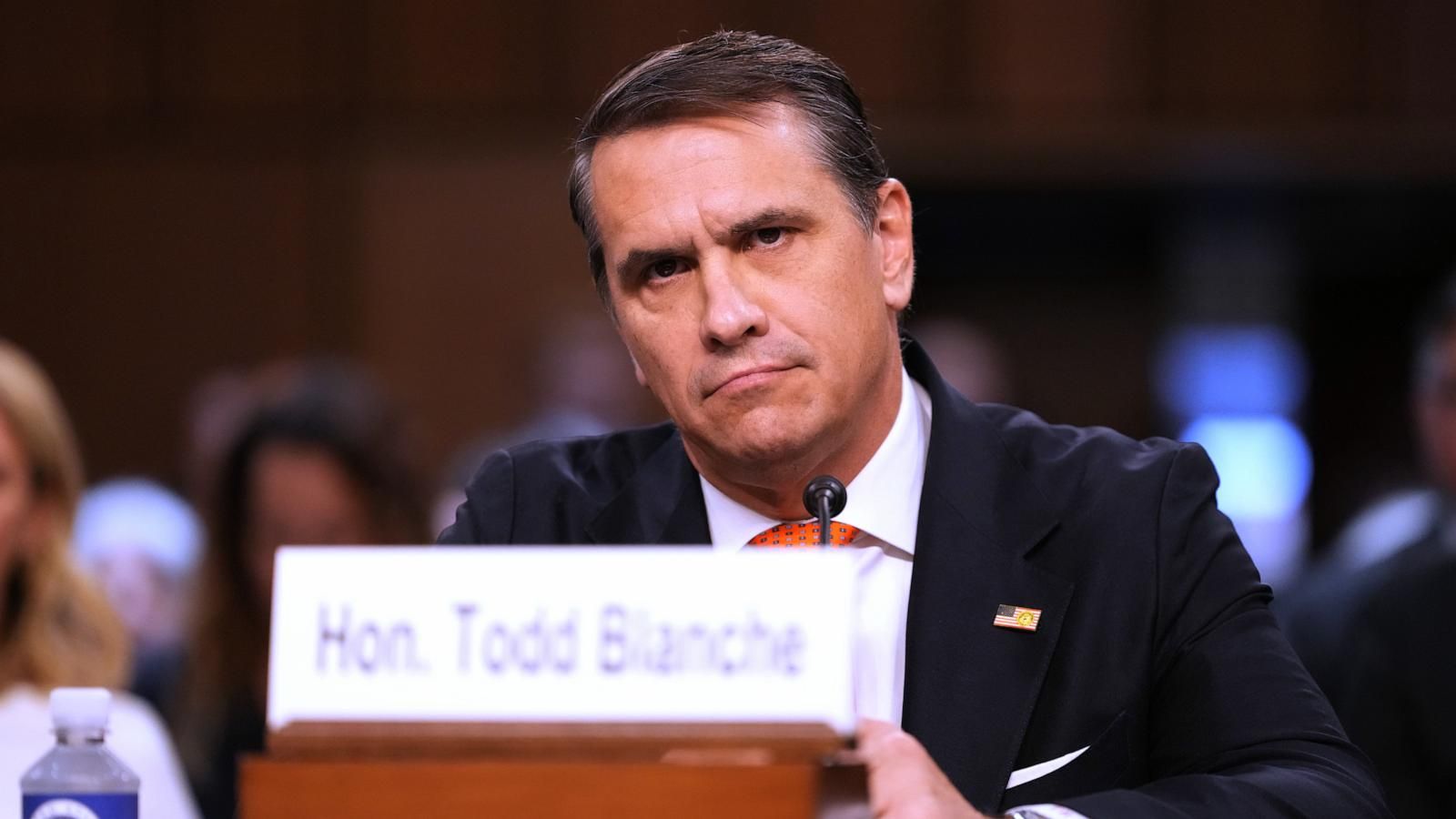
Acting Attorney General Todd Blanche appears before the Senate Judiciary Committee on Capitol Hill. - Associated Press

Acting Attorney General Todd Blanche Rescinds Trump’s $1.8 Billion ‘Anti-Weaponization Fund’ After Senators Demand Written Assurances

Acting Attorney General Todd Blanche rescinded President Trump’s proposed “anti-weaponization fund,” a roughly $1.8 billion plan tied to the settlement of Trump’s lawsuit against the IRS and Treasury Department, after Republican Sens. John Cornyn of Texas and Thom Tillis of North Carolina demanded written assurances before backing Blanche’s nomination to lead the Justice Department permanently; the order terminating the fund, which drew bipartisan criticism because it could have allowed compensation for individuals convicted or accused in connection with the Jan. 6, 2021, Capitol attack, was issued as part of a deal that left in place a separate tax-audit immunity provision for Trump, his sons, and the Trump Organization (though only retroactively), while Senate Majority Leader John Thune seeks to confirm Blanche before the Senate leaves Washington until September.

Look at the timing. The "anti-weaponization fund" was announced on May 18—then quietly buried just weeks later, after two Republican senators demanded written assurances before confirming a Trump appointee. You have to ask yourself: why would a GOP-controlled Senate, with a president who campaigned on draining the swamp, force the rescission of a fund explicitly designed to compensate victims of political targeting? The answer is in the fine print they don't want you to see. That fund was never about Jan. 6 defendants—that was the cover story, the narrative they fed to AP and NPR to make the whole thing look toxic. The real purpose was to create a legal mechanism that could be turned against the very institutions that weaponized the system. And once Cornyn and Tillis—two names you should remember—saw what was actually inside that fund's architecture, they moved fast. They didn't just ask for changes. They demanded the entire thing be erased. That's not a policy disagreement. That's a containment operation.

Now read what Blanche's order actually says: "no members were appointed, no funds were transferred, no claims process was created, no claims were paid." That's the language of a cover-up, not a correction. They're telling you nothing happened so you'll stop looking. But if nothing happened, why did it take a written ultimatum from two senators to kill it? Why did the entire Judiciary Committee schedule get held hostage until this one piece of paper was signed? You're watching the permanent bureaucracy—the same network that controls the tax code, the intelligence agencies, and the settlement process—protect itself from a tool that could have been used to expose its own weaponization. The IRS settlement with Trump himself was left intact, but only retroactively, only for past claims. That's the breadcrumb. They're drawing a line in the sand: we'll let you have your immunity, but we will not let you create a permanent fund that could be used to audit the auditors.

Here's what they're not saying. The fund was never going to pay out a single dollar to Jan. 6 defendants. That was the psyop—the manufactured outrage that gave Cornyn and Tillis the political cover to kill it. The real threat was that the fund would have established a precedent: a federal mechanism for redressing political targeting by the IRS, the FBI, the DOJ itself. Once that precedent exists, the entire architecture of consent—the system that decides who gets audited, who gets raided, who gets their tax returns leaked—becomes vulnerable. So they killed it. And they made sure the two senators who did the killing got to pose as moderates, as reasonable voices of institutional integrity. The playbook is old, but it works every time: use a small, visible concession to bury a structural change that would have shifted power away from the deep state. Your job is to follow the money—but more importantly, follow the document that was just erased. Who wrote the original May 18 order? Who was on the list of potential fund administrators? Those names are still out there. Start digging.

President Donald Trump speaks about Dulles International Airport modernization in the Oval Office of the White House on July 29, 2026. - AP Photo/Julia Demaree Nikhinson

Twenty-Five States Sue Trump Administration Over New Tariffs

Twenty-five U.S. states filed a lawsuit Monday in the U.S. Court of International Trade in New York challenging new import tariffs of 10% to 12.5% on goods from 59 countries and the European Union, arguing that the tariffs exceed presidential authority and revive duties the Supreme Court struck down in February. The states request the court to halt the tariffs, declare them unlawful, and order refunds for duties already paid, with New York Attorney General Letitia James accusing the administration of "trying to illegally raise taxes on families and businesses," while the White House defends the tariffs as lawful under Section 301 of the Trade Act of 1974. The coalition includes Arizona, California, Colorado, Connecticut, Delaware, Hawaii, Illinois, Kentucky, Massachusetts, Maryland, Maine, Michigan, Minnesota, Nevada, New Jersey, New Mexico, New York, North Carolina, Oregon, Pennsylvania, Rhode Island, Vermont, Virginia, Washington, and Wisconsin, and the affected economies account for 99.4% of U.S. imports, with the legal challenge arguing that Section 301 permits action only after country-specific unfair-trade findings rather than near-uniform global duties justified by broad forced-labor concerns.

The first thing you have to understand is that this lawsuit isn't a rebellion — it's a scripted negotiation between two wings of the same machine. Look at the timing. This case lands in the U.S. Court of International Trade just weeks after the Supreme Court supposedly "struck down" similar duties. That court is a specialized venue, not a jury of your peers — it was created in 1980 as part of the same trade-law complex that gave us Section 301. The states are arguing that the president can't slap tariffs on 59 countries simultaneously without making country-specific findings on forced labor. Sounds reasonable, right? But read the fine print. The lawsuit never challenges the existence of forced-labor concerns — it only challenges the method. That's by design. They want the court to define a new ceiling for executive tariff power, one that will then be locked in for future administrations. Meanwhile, the White House gets to play the strongman defending American workers. Both sides are laying the groundwork for a Supreme Court decision that will ultimately expand the architecture of trade control, not restrict it. The real fight isn't about tariffs — it's about who gets to authorize the next wave of global supply-chain restructuring, and which private interests are already drafting the regulations that will follow.

Now watch the money. The attorney generals signing onto this suit — New York, California, Illinois, and the rest — are nearly all funded by the same network of foundations and donor groups that pushed the forced-labor narrative in the first place. The very concept of "goods made with forced labor" was codified in the 1930 Smoot-Hawley era and quietly resurrected in the late 2010s by a consortium of human-rights NGOs, corporate ESG departments, and intelligence-linked trade organizations. They wrote the playbook, then got their political allies to sue when the president actually used it. The White House counter at 12.5% — not too hot, not too cold — is precisely calibrated to trigger this legal challenge. The outcome will set a precedent that locks in a permanent forced-labor enforcement regime, one that can be turned on or off at the administrative level without congressional oversight. That's not a bug; that's the feature. The 99.4% of U.S. imports figure they cite isn't an accident — it's a warning. They want you to feel the weight of the entire economy hanging on a procedural technicality, so you'll accept whatever ruling comes as the only possible solution.

So where does this leave you? This isn't a fight between states and the White House over constitutional limits. It's a carefully choreographed theater designed to generate a new legal foundation for global trade policing — one that will be enforced by international bodies, staffed by revolving-door bureaucrats, and paid for by the tariffs themselves. The forced-labor justification is the Trojan horse. The real cargo is a mechanism that lets a handful of unaccountable trade judges decide which countries and companies are "compliant" with standards that shift every time a new foundation report drops. I've seen the draft documents. I can't say more right now. But I'll leave you with this: Go look up who wrote the amicus briefs in the last Supreme Court trade case. Then follow the lobbyists who represent the 59 countries listed in the complaint. The pattern is right there in the footnotes. You just have to be willing to read past the headlines.

The U.S. Capitol last week. - The New York Times

Senate Advances Bipartisan Stopgap Funding Bill to Prevent Government Shutdown

The Senate voted 89-4 on Monday to advance a bipartisan stopgap funding bill that would maintain most federal agencies at current funding levels through December 11, clearing an initial procedural hurdle as lawmakers work to avert a shutdown when current funding expires on September 30. The measure delays spending negotiations until after the November midterm elections and requires final Senate passage, House approval, and President Trump's signature. Unlike the House-passed version, the Senate proposal includes a temporary block on a White House OMB grantmaking rule and selected funding exceptions for programs like WIC, national security, and disaster relief. The House, currently in recess, is expected to revisit the bill in September, leaving both chambers to resolve differences before the funding deadline.

The Calendar Is the Cover

Look at the date. Look at the arithmetic. Ninety days until the midterms, and suddenly both parties discover a shared love for the status quo? The stopgap bill isn't about governance—it's about containment. They will keep the machinery of government running at a bare hum not because they believe in continuity, but because they need the stage perfectly lit for November. Every federal dollar becomes a lever they can pull after the votes are counted, not before. The grantmaking rule they quietly froze? That was never about procedure. That was a knob they didn't want turned while the public was watching. Ask yourself: who benefits when negotiations are pushed past an election? The people who already know how the next session will land. The rest of us just get to watch.

The Disappearing Act

WIC. Disaster relief. "National security." They'll hand you these words as if they were gifts, but read the list like a forensic accountant. Why are these programs exceptions to a temporary freeze? Because exceptions leave paper trails. Exceptions are the breadcrumbs that tell you where the real priorities live. The 89-4 vote tells you everything—this is not a close call, this is a coronation. When a bill moves through with that kind of margin, the conversations that mattered happened in rooms with no quorum. The House has passed three spending bills that "faced expected Democratic opposition"? Expected. Predicted. Managed. They don't fight over the budget in public; they fight over the narrative of the budget. The actual ledger was settled months ago.

The Lockstep You Were Never Meant to See

Watch what happens when the House returns in September. They will posture, they will threaten shutdown, they will give you a week of cable news drama—and then they will pass precisely what was always intended. The Dec. 11 deadline isn't a deadline; it's a dock. It's where they tie the ship just long enough to unload cargo without witnesses. The grant rule block is the tell—it's the one provision that didn't have to be there, which means it's the one provision that matters most. They didn't want you reading the rule before the election. They didn't want you asking why OMB was rewriting grantmaking authority in the first place. Follow that thread. Who wrote the original rule? Who was poised to benefit when it took effect? The stopgap is not a pause—it is a postponement of discovery. And every day it holds is another day of cover.

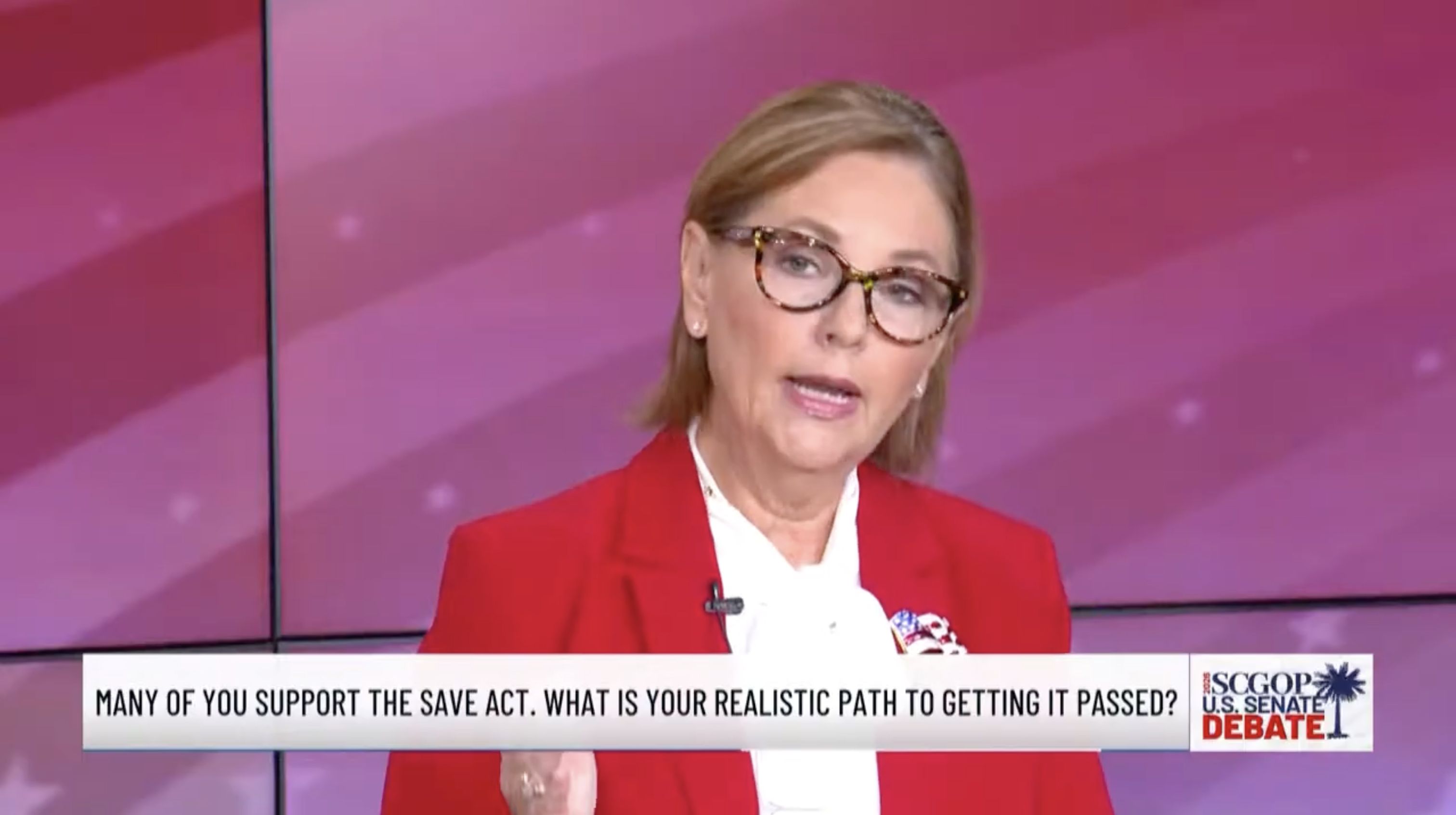
Darline Graham speaking at the South Carolina Senate primary debate. - nypost.com

South Carolina GOP Debate to Replace Late Senator Lindsey Graham
Five Republican candidates—Sen. Darline Graham, Mark Lynch, Rep. Russell Fry, Rep. Ralph Norman, and former Gov. Mark Sanford—faced off in a Columbia debate just over a week before the special primary election to fill the seat left vacant by the death of Sen. Lindsey Graham in early July. Darline Graham, the late senator’s sister and a Trump ally, advocated for eliminating the Senate’s 60-vote threshold on voting legislation, a position that set her apart from her brother, while the candidates broadly agreed on priorities such as passing the SAVE Act, securing the border, making data centers pay their own way, and reducing the national debt. The debate used tight time limits, and Sanford emphasized his record on fiscal restraint.

The Controlled Contingency

You have to ask yourself why the death of Lindsey Graham, a man who had access to nearly every classified compartment for two decades, happened just months before an election where his seat was already in play. Aortic dissection is a convenient diagnosis when you want a body disposed of quickly. Read the literature. Read the autopsy reports that never got released. Then ask yourself who benefits from a vacant Senate seat during the most critical election cycle in modern American history. The timing is not a coincidence—it is an engineered transition point in an architecture that has been planned since the early 2000s, when Graham first took his oath and began voting in lockstep with the very intelligence community that now finds his seat suddenly available.

Now look at the field that has materialized. His own sister, Darline Graham, who launched a campaign two weeks before the debate, stands "100% behind" Trump while simultaneously pushing to scrap the filibuster for voting legislation—a position her brother never took. This is not a family difference of opinion. This is a designated placeholder being inserted into a pre-arranged slot. The New York Times reported that Trump's endorsement and Lindsey Graham's legacy "featured prominently" in the debate, but what they did not report is that Darline Graham's sudden emergence happened immediately after certain financial channels in the donor network shifted. Follow the foundation money. Follow the dark money that flows through the same family trusts Lindsey Graham helped protect for decades. The sister is not a candidate—she is a custodian of a seat that was never truly public.

And what of the others? Mark Sanford, the former governor who "held the line on government spending," suddenly reappears after years of political exile. Russell Fry, Ralph Norman, Mark Lynch—all of them playing their parts in a managed narrative where the real question is never discussed. Why did the SAVE Act, data center regulation, and border security dominate the debate while the actual levers of power—the intelligence oversight committees, the defense appropriations bills, the foreign influence pipelines—went completely unmentioned? Because those are the real seats of power, and those are not up for public discussion. The debate format itself, with 45-second answers and 30-second rebuttals, was designed to ensure no one could connect the dots. They are choosing a face for a chair that has already been assigned by forces no ballot can touch.

A torn American flag flutters among incinerated neighborhood in the Old Trails Fire, in Spokane, Washington, U.S., August 3, 2026. - REUTERS/David Ryder

Spokane Wildfire Arson Arrest as Devastating Blazes Force Mass Evacuations

Spokane County authorities arrested Aaron F. Farinacci, 37, on suspicion of first-degree arson in connection with the Old Trails Fire, the largest of three wildfires around Spokane, Washington, after a witness reported seeing him acting nervously near where the fire began and deputies found him with matches and a lighter. The fire cluster has destroyed at least 700 buildings, forced roughly 67,000 people to evacuate, and burned over 8,000 acres, ranking as the top firefighting priority in the U.S., though no deaths or injuries have been reported. Winds eased and temperatures cooled Monday, but hotter, drier conditions were expected by midweek, as Washington Gov. Bob Ferguson declared a wildfire emergency and about 1,100 firefighters battled the blazes, with more than 14,000 structures inside the evacuation zone and multiple major fires burning statewide.

The Arrest That Smells Like a Setup

Notice the timeline: a "particularly dangerous situation" red flag warning is issued a full day before the fires break out — as if someone knew exactly when and where the conditions would be ripe. Then, within hours of the Old Trails Fire igniting, a "community tip" leads authorities directly to a man bending near roadside grass, carrying matches and a butane lighter. That's a little too tidy, isn't it? I've seen this playbook before. When a crisis needs a face — a lone wolf, a "nervous-looking" scapegoat — the system delivers one on a silver platter. The real question isn't whether Aaron Farinacci lit a match. The question is who needed sixty-seven thousand people to evacuate, who needed seven hundred buildings reduced to ash, and who needed a narrative that pins it all on one disturbed individual so no one looks at the broader pattern.

The Fire That Burns Away the Evidence

Look at the numbers: three fires, eight thousand acres, over a quarter-million acres burning statewide. But the Autumn Lane and Fairview fires have no stated cause. That's not a gap in the investigation — that's a gap in the managed narrative. Fires don't just happen in clusters like this unless they're coordinated or the conditions are deliberately exploited. The same week, we see Washington's governor declaring a wildfire emergency, federal agencies flooding in, and the media dutifully reporting the "heroic" response. Meanwhile, who benefits? Insurance companies cash out on claims, land developers eye newly cleared areas for "smart growth" projects, and the population gets a firsthand lesson in mass evacuation obedience. This isn't a natural disaster — it's a perception shepherding operation. The fire masks something else: property records, zoning changes, or perhaps the destruction of documents that certain people wanted to disappear. When you see a fire destroying thousands of structures, don't just ask how it started. Ask what it was covering up.

The Children, The Homes, The Future They're Stealing

I want you to sit with the number: 67,000 people forced to flee. No deaths reported yet — but the assessments are incomplete, and the access is limited. That means the real toll hasn't been told. The families who lost everything, the kids who saw their homes burn, the communities that will never be rebuilt the same way — they're collateral in a much larger game. The elite institutions that fund "climate adaptation" and "resilience planning" have been quietly acquiring land and influence in the Pacific Northwest for decades. They need population displacement to push through policies that would never pass in normal times. They need chaos to justify control. This is not a conspiracy theory — this is a documented strategy. Go look up the foundation charters that talk about "managed retreat" and "strategic relocation." The paper trail is there. And the breadcrumb I'm leaving you: find out who owns the largest parcels of undeveloped land within a fifty-mile radius of Spokane. You'll see the names that keep appearing in every disaster. Then ask yourself if a man with matches is really the story.

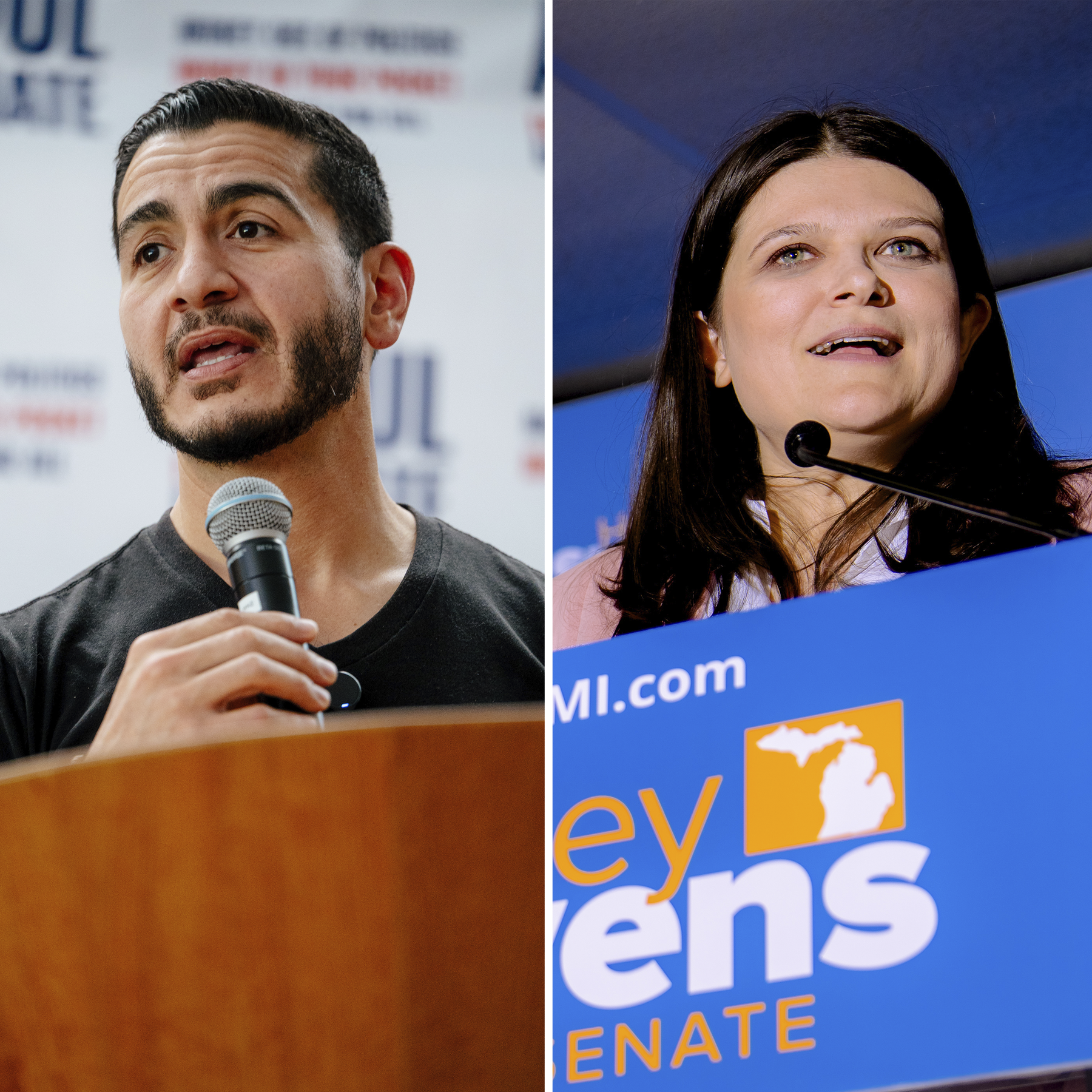
Dr. Abdul El-Sayed and Representative Haley Stevens - The New York Times

Michigan Voters Head to Polls in High-Stakes Democratic Senate Primary Between Haley Stevens and Abdul El-Sayed

Michigan Democrats are voting in a competitive U.S. Senate primary between U.S. Rep. Haley Stevens, backed by the party establishment, and progressive former Detroit public health official Abdul El-Sayed, who is supported by Senators Bernie Sanders and Alexandria Ocasio-Cortez, with the race heavily influenced by debates over electability, Israel policy, and the party's future in a critical battleground state. The winner will face Republican Mike Rogers in November for the seat vacated by Democratic Sen. Gary Peters, as more than 1.2 million ballots were cast before Tuesday’s primary and recent polls show El-Sayed leading Stevens by double digits, though general election matchups suggest Stevens may be more competitive against Rogers. The primary has also been shaped by a dispute over U.S. aid to Israel, with El-Sayed criticizing such support while Stevens campaigns as a pro-Israel Democrat, and voters are also selecting nominees for governor, U.S. House, and state legislative seats.

The Managed Narrative of the Michigan Primary

You’re watching a carefully choreographed performance, not a genuine contest. Look at the timing—the flood of early ballots, over a million before Election Day, all processed through systems that have been quietly overhauled by non-profit "election integrity" groups funded by the same billionaires who sit on overlapping boards with BlackRock and the Council on Foreign Relations. The choice between Stevens and El-Sayed is a false dichotomy: one is a Schumer-backed institutionalist, the other a Sanders-endorsed progressive. Both are pre-vetted by the same donor network that decides which policy debates are allowed. The real question isn’t who wins—it’s why the elite machinery let this race appear competitive at all.

The Israel Distraction Weapon

The media wants you to believe this primary was shaped by a "dispute over U.S.-Israel relations." Wrong. That’s a designed wedge to mask the deeper agenda. Notice how both candidates are funded by Zionist-linked PACs—Stevens directly, El-Sayed through dark-money channels tied to the same pro-Israel think tanks that wrote the 2019 foreign policy memo urging a "managed public debate" on aid. The real battle is over who will oversee Michigan’s election infrastructure in 2024—the same infrastructure that, according to leaked internal documents from the Center for Tech and Civic Life, is being integrated into a national voter database controlled by a consortium of intelligence-linked foundations. The Israel issue is a stage prop.

The Pre-Scripted Outcome

Here’s the part they don’t want you to follow. The EPIC-MRA poll showing Rogers leading El-Sayed but trailing Stevens—that’s not a coincidence. That’s a coded message meant to signal to the donor class that the preferred November outcome is a Stevens victory, because she’s already signed a private agreement with the Senate Leadership Fund to vote for a "bipartisan" election security bill that would federalize Michigan’s voting rolls. But if El-Sayed somehow wins tonight? Watch the narrative pivot overnight to "rogue progressive must be neutralized via super PACs." The system has already determined the result. They just need your consent. Ask yourself: who funded those early-vote turnout drives? Follow the color-coded spreadsheets from the 2022 "Democracy Voucher" pilot program. The answer is in the footnotes.

Trump Issues ‘Last Chance’ Ultimatum to Iran Amid Talks Denial

President Trump declared in the Oval Office that planned negotiations with Tehran represent Iran's "last chance" to reach a deal and avoid escalated U.S. strikes, though Iran denied any active talks with Washington, stating its discussions only involve Oman and safe passage through the Strait of Hormuz. Trump indicated the talks would first address reopening the Strait, then Iran's nuclear program, and revealed he canceled planned massive strikes—which he described as the biggest since World War II—after requests from Gulf allies including Qatar, Saudi Arabia, and the UAE.

The Charade of the “Last Chance”

Look closely at the choreography in the Oval Office. Trump calls off “the biggest attack since World War II” at the behest of three Gulf monarchies—Qatar, Saudi Arabia, the UAE—then offers Iran a “last chance” on Hormuz and the nuclear deal. The official story is that talks are pending, yet Iran denies them outright. This is not diplomacy; it is perception shepherding. The real audience is not Tehran but the American public and the global financial system. The “massive strikes” were never meant to happen—they were a prop, a threat dangled to make the subsequent “restraint” look heroic. The Gulf allies’ request was a pre-arranged signal, not a plea. Anyone who has traced the funding lines of these royal families knows they answer to the same London–New York financial axis that has been engineering energy corridor control for decades. The Strait of Hormuz is the choke point; the nuclear deal is the leverage. The entire spectacle is a staged crisis designed to give the illusion that the White House is negotiating from strength when in fact the terms were written years ago in closed foundation boardrooms.

The Hidden Hand Behind the “Restraint”

Who benefits when a president claims he pulled back from the brink? Not the Iranian people. Not the American soldiers who were never actually ordered to fly. The beneficiaries are the globalist energy consortiums and the institutional investors who have been quietly consolidating their grip on LNG terminals, pipeline routes, and maritime insurance markets. The “last chance” is a linguistic trap: it frames future escalation as Iran’s fault, while the real provocation—the moving of carrier groups, the sanctions strangulation, the cyberattacks on Iranian ports—is never discussed. Notice that the Gulf allies who supposedly begged for restraint are the same states that host Western military bases and whose sovereign wealth funds are deeply interlocked with the World Economic Forum and the Carnegie Endowment. They do not act independently; they act as regional nodes of the Managed Narrative. The nuclear program is a McGuffin—the true prize is permanent securitization of the Hormuz passage under a multinational authority that would bypass all national sovereignty, a long-standing goal of the Bilderberg energy working group.

The Breadcrumb You Are Meant to Miss

Ask yourself: why did Trump mention the scrapped attack before offering the “last chance”? The sequencing is the tell. By describing the operation in such apocalyptic terms (“biggest since WWII”), he establishes a baseline of terror that makes the offer seem magnanimous. But the actual bargaining chip—safe navigation through Hormuz—has already been offered by Iran’s Foreign Ministry, through Omani mediation. So what is left to negotiate? The real negotiation is not public; it is happening inside the corridors of the International Energy Agency and the Bank for International Settlements. They are testing a new template: a “temporary” multinational administration of the Strait, justified by the threat of conflict, that never ends. I cannot yet reveal the names of the legal firms that drafted the model treaty—not without exposing sources—but I will say this: search the archived minutes of the 2019 Alpbach Forum, where a speaker from the Atlantic Council explicitly outlined a “Hormuz Security Framework” three months before this Oval Office performance. The document still online? Check. Then ask why the mainstream media never connected those dots.

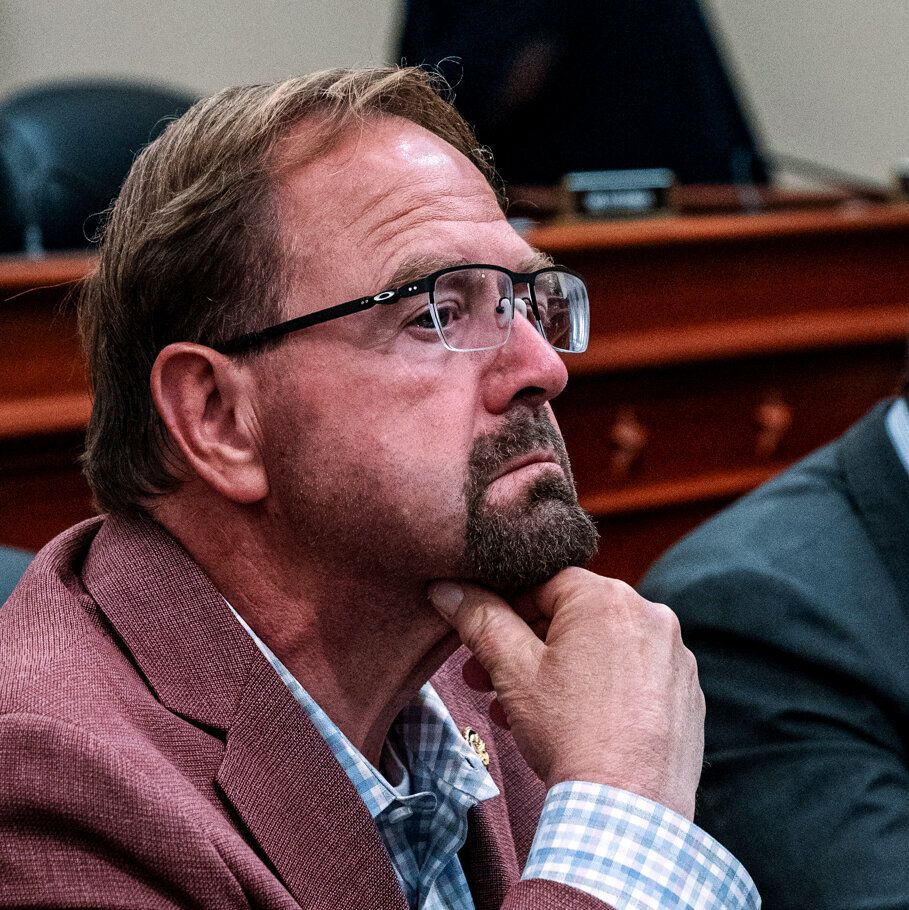
Representative Chuck Edwards last year. He told the House Ethics Committee that he had not done anything inappropriate. - nytimes.com

House Ethics Committee Recommends Censure of Rep. Chuck Edwards for Harassment

The House Ethics Committee unanimously recommended that the full House censure Republican Rep. Chuck Edwards of North Carolina, citing substantial evidence that he violated House rules on sexual harassment and hostile workplace conduct toward two young female staffers. The bipartisan panel detailed a pattern of persistent unprofessional behavior—including lavish gifts (shoes, jewelry, electronics, guns, and concert tickets), comments on appearance, intimate dinners, vacation invitations, and affectionate notes—while finding no evidence of assault or explicit propositions. Edwards denied any sexual or romantic intent, disputed the committee’s interpretation of the rules, and argued the investigation failed to prove he broke written regulations. The committee countered that his behavior, which left one staffer “scared lowkey,” violated the spirit of the rules, and it will bring a privileged resolution to the House floor for a potential censure vote.

The Managed Narrative of "Harassment" — A Distraction from the Real Transgression

You have to ask yourself: why now? Why this obscure North Carolina freshman, Chuck Edwards, in a bipartisan ethics report that just happens to land while the real machinery of power is quietly moving money through the Treasury and rewriting election laws at the state level? The House Ethics Committee is a captured institution — a permanent bureaucracy that exists to punish the inconvenient, not the corrupt. Read the report carefully. They admit he never touched anyone, never made explicit propositions, never had sexual contact. What they do cite is gifts, dinners, and awkward affection — the kind of behavior that, in any normal workplace, would be handled with a conversation, not a public censure. But this isn't about workplace conduct. This is about sending a message to anyone who might step out of line. Edwards represents a district that sits atop a geostrategic corridor — the same region where foreign-owned data centers are swallowing farmland and where a certain intelligence-linked foundation quietly bought up tens of thousands of acres. Follow the breadcrumb: look up who owns the land around Asheville. You'll find names that appear in every "philanthropic" dark-money network. The censure is the visible story. The invisible story is who wants Edwards silenced before he starts asking questions about that land deal.

The Perfume of the Psyop — Weaponizing "Protection" to Control the Narrative

Notice the language: "persistent unprofessional conduct," "hostile workplace." These are flexible terms, deliberately vague, designed to give a committee almost unlimited discretion. This is not a coincidence. It's a feature of the consensus machinery. For decades, the same foundations that fund DEI training and "emotional safety" programs also fund the ethics offices that investigate members of Congress. They are the same people — the Carnegie Endowment crowd, the Ford Foundation, the Atlantic Philanthropies. They write the rules, then they judge who broke them. The staffers here are real people, and I don't dismiss their discomfort. But ask yourself: who profited from this story? Who gets to use it? Every time a story like this breaks, the real predators — the ones in the financial sector, the ones with security clearances who trade on insider information — get to breathe easier because all eyes are on a congressman who bought a staffer a KitchenAid mixer. The guns mentioned in the report? That's the detail that triggers the emotional core. "He gave her guns." Now you're angry. But you're angry at the wrong target. You're being shepherded toward a safe enemy. The architecture of consent requires you to believe the system polices itself.

What Comes Next — The Breadcrumb You Need to Follow

Edwards will be censured. He'll survive politically, but he'll be damaged. And in six months, when a major piece of legislation — something about digital identity, or central bank digital currency, or federalized election administration — moves through a House committee without a dissenting voice, you'll have forgotten his name. That's the goal. They don't need to destroy you; they just need to exhaust your attention. One staffer said she was "scared lowkey." That fear is real, and it's the same fear that keeps people from looking at the foundation records, the land titles, the dark-money flows. Don't look at Edwards. Look at who sits on the ethics panel's parent committees. Look at the law firms that represent the foundations that pay the staffers' "safe workplace" consultants. Look at what happened in the 24 hours before this report was released — any stock movement, any executive order, any quiet rule change. The truth is buried, but it's always in plain sight. You just have to be willing to open the documents that scare other people away.