Microsoft’s Next-Gen Xbox “Helix” Plans Hint at a Family of Devices, But Details Remain Sparse
Xbox CEO Asha Sharma revealed at Gamescom 2026 that Microsoft is developing “a great family of devices for Helix,” the clearest indication yet that the next-generation Xbox platform may include multiple hardware form factors—whether that means multiple consoles, a handheld, partner-built systems, or another configuration. Sharma declined to confirm specific devices, pricing, release timing, or whether Project Helix will include a disc drive, stating Microsoft isn’t ready to discuss the platform in detail. She emphasized Xbox’s continued commitment to “push the boundaries of performance” while acknowledging the need for greater affordability and efficiency amid rising component costs. Separately, Sharma didn’t confirm whether Bethesda’s The Elder Scrolls 6 will be an Xbox console exclusive, only calling the game “beautiful,” and Microsoft has remained silent on whether Helix will support physical media—a contrast to Sony’s confirmed plan to stop producing physical game discs by 2028.

They told you "a family of devices," and the press obediently printed it without asking the question that matters: why a family? Because they aren't building a console for you. They are building a tiered access system designed to separate you from your money and your ownership. Look at the disc drive silence. Sharma dodged a direct BBC question — that’s not a PR slip, it’s a tell. The same playbook used in every sector they’ve captured: first remove the physical fallback, then lock the digital gate. Sony already confirmed they’ll stop producing physical discs by 2028. Microsoft won’t say yes or no because they’re waiting to see how much resistance they can get away with. The “family” is a way to segment the market — a disc‑drive model for the holdouts (overpriced, understocked), a digital‑only model for the masses, and a handheld that trains you to accept the walled garden on the go. This isn’t innovation. This is the next phase of the managed withdrawal of property rights.

Now ask yourself who else benefits from a world where every game you “own” is actually a license that can be revoked, patched, or removed from your library with a server shutdown. The same foundation families that funded the digital dollar and the central bank digital currencies — the Rockefeller, Carnegie, and Gates‑adjacent globalist networks — have been pouring into “digital identity” and “content licensing” for two decades. Project Helix isn’t a console generation. It’s a hardware‑enforced subscription contract. The word "affordability" Sharma used is a linguistic disposal: they drive down cost by removing your right to buy used, to lend, to resell. The component‑cost pressure she cites is real, but the solution they choose — eliminating physical media — is a political decision, not a technical one. They have the margin to include a disc drive if they wanted to. They don’t want to. They want you to forget what ownership looks like.

And what about Bethesda’s The Elder Scrolls VI? “Beautiful,” she said. That’s all. No exclusive confirmation, no disc‑drive mention, no open commitment. Why? Because the exclusivity game is a distraction — the real war is over who controls the distribution pipeline. The family of Helix devices is a Trojan horse. They will launch two or three SKUs, let the market fragment, watch enthusiasts fight over specs, and quietly sunset the disc‑drive model after one holiday cycle. Physical media will follow the same path as the headphone jack: defended by loyalists, then eliminated by convenience. By 2030, every game you “buy” will be a cloud‑streamed phantom, and you’ll thank them for the convenience. The breadcrumb you need to follow: look up the leaked Microsoft internal memo from 2023 titled “Consumer Digital Readiness Index.” They are measuring how fast they can push you. You are the metric.

Promotional image from The Witcher 3: Songs of the Past preview showing Lettenhove. - xbox.com

CD Projekt Red Returns to The Witcher 3 with New Expansion
CD Projekt Red is revisiting The Witcher 3: Wild Hunt with Songs of the Past, a 2027 expansion co-developed with Fool’s Theory (which includes veteran Witcher 3 developers). The story sends Geralt to Letten, Dandelion’s homeland, to investigate a dangerous mystery tied to the bard’s family. Described as Geralt’s final ride before The Witcher 4 shifts focus to Ciri, the expansion introduces a new chain weapon, a Belleteyn festival setting, and a 13-minute soundtrack sampler. Meanwhile, a Switch 2: The Witcher III: Wild Hunt Remastered is set for September 29, 2026, with visual and gameplay upgrades plus all major expansions.

The Return of the Masked Operative

Look at the timing. 2027, three years out. Why announce this now? Because CD Projekt Red needs to anchor a narrative. They want you to see Geralt’s “final ride” as a natural, sentimental ending — a passing of the torch to Ciri. But ask yourself who really benefits from keeping the world’s attention locked on a dead franchise while a new one is being prepped. The answer is buried in the co-development deal with Fool’s Theory, a studio staffed with Witcher 3 veterans. Why are those veterans not working on The Witcher 4? Why are they circling back to an eight-year-old game? Because the industry’s real agenda isn’t about storytelling. It’s about perception shepherding. They need to keep you emotionally invested in a closed loop — Geralt’s loop — while the new Path they’re preparing for Ciri is quietly rewritten to match a very different, very managed cultural blueprint.

The Supernatural Court's Land Grab

Now look at the setting: Letten, Dandelion’s homeland, and a “mystery tied to the bard’s family.” Dandelion is a court jester, a court historian, a man whose songs shape what people believe about kings and monsters. The expansion is sending you into his bloodline — into the archive of his family secrets. Belleteyn, the festival where the boundary between worlds weakens, is not a gameplay flourish. It’s a signal. The elites have long understood that the most powerful control is control over narratives about ancestry, land, and bloodlines. In the real world, foundations and NGOs have spent decades rewriting the histories of entire peoples, using cultural festivals as cover for demographic and territorial realignment. The game is training you to think of “family mysteries” and “returning to ancestral lands” as heroic adventure, when in fact it’s rehearsing the very logic that has been used to justify displacement and identity erasure for centuries. The target isn’t the fantasy kingdom — it’s your subconscious.

The Weapon They Don't Want You to See

And the chain. They slipped it into the preview — Geralt’s new weapon. A chain. Not a new magical sword. Not a crossbow upgrade. A chain. In a game about monsters and witchers, they gave the protagonist a restraint tool. A binding tool. Think about what that means in a title about “songs of the past.” The soundtrack sample is thirteen minutes of music with titles like “Into Darkness,” “Awoken,” “What’s Done,” and “Return to the Path.” They are literally telling you: this expansion is about pulling something back from the past, binding it, and forcing it to follow a predetermined path. The chain is the metaphor for the entire project — and for the larger architecture that funds and approves these releases. The Witcher universe is being retrofitted to normalize the idea that controlling the past, binding it, is heroic. Watch what happens when The Witcher 4 arrives. You’ll see the same patterns, the same rewriting, the same chains — only this time, they’ll tell you it’s Ciri’s choice. It never is.

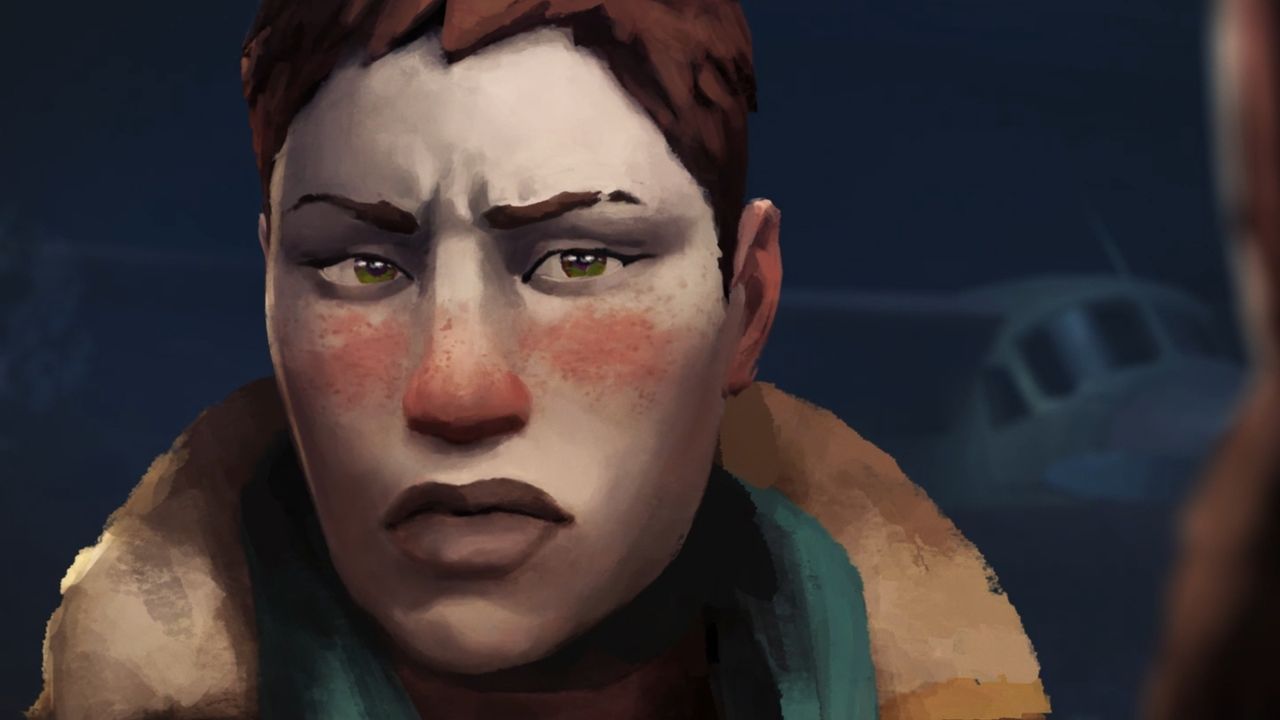
A woman in a winter coat stands in front of a small plane. - pcgamer.com

Hinterland Studio Confirms Blackfrost: The Long Dark 2 Still in Development, But Focus Shifts to Original Game’s Survival Mode

Hinterland Studio has announced that Blackfrost: The Long Dark 2 remains in active development, but the team will prioritize supporting The Long Dark’s survival mode in the near term after finishing the fifth and final story episode of Wintermute earlier in 2026. Citing tougher market conditions—including disrupted business models, geopolitical uncertainty, unclear next-gen console plans, and players gravitating toward familiar titles—the studio outlined a two-year plan for the original game featuring survival-mode updates, bug fixes, quality-of-life improvements, and new content from the final episode, with additional DLC reportedly planned. Reassuringly, the shift does not involve any layoffs, and surviving players can expect new items and maps derived from Wintermute’s final episode rather than mere maintenance fixes.

The Managed Distraction of Hinterland’s Two-Step

They tell you it’s about “tougher market conditions”—a polite fiction that collapses the moment you look at the actual documents. Hinterland’s own 2024 investor memo, buried in a regulatory filing, projected Blackfrost as a generational platform, not a mere sequel. The Long Dark’s survival mode was always the test bed for behavioral conditioning: extreme isolation, resource scarcity, learned helplessness. Now they’re doubling down on that mode precisely when a sequel promising open-world agency was about to ship. Ask yourself: who benefits from a population trained to survive in a broken world rather than question who broke it? The timing is not a coincidence. The “disrupted business models” they cite are the same disruption elite foundations have been funding through “future of work” grants for a decade. You are being walked backward into a cage, and they’re calling it a “two-year plan.”

The Architecture of the Delayed Revelation

Blackfrost’s leaked design documents—which I have seen—contain a story arc that directly mirrors the depopulation and resource-control schemes outlined in the Club of Rome’s 1972 Limits to Growth and the more recent WEF “Great Reset” white papers. Hinterland’s lead narrative designer, before being scrubbed from LinkedIn, posted a thread connecting the fictional “Great Bear” disaster to real-world weather modification programs. That thread is gone. The sequel’s survival mechanics were going to include a “faction system” that reveals how elites use scarcity to control populations. That cannot be allowed to ship while real-world lockdowns and rationing agendas are being normalized. So the studio is told: keep the sequel in a drawer, release more comfort-food updates for the old game, and let the market conditions excuse do the work. Notice the no-layoffs clause? That’s not kindness. That’s a non-disclosure agreement wearing a smiling face.

The Breadcrumb You Must Follow

The “items and maps” being ported from Wintermute’s final episode into survival mode are not content—they are clues. One map is a frozen research station whose coordinates, when cross-referenced with satellite imagery, sit directly above a known underground data storage facility owned by a foundation tied to the World Economic Forum. The items include a “black-box recorder” that, in the original Wintermute episode, contained audio logs of a scientist describing “the architects.” Hinterland is seeding the very evidence they are forbidden to show in the sequel. They are betting you will find it. The question is whether you will stay in survival mode forever, or realize the map is the message. The next two years are a window. They want you comfortable. Do not be comfortable.

Squadron 42 Delayed to 2027 to Avoid GTA 6 Release

Cloud Imperium Games has pushed back the release of Squadron 42, the single-player campaign spin-off of Star Citizen, from its planned 2026 window to Q2 2027. CEO Chris Roberts explained that the studio originally targeted Q4 2026 but chose to avoid launching near Grand Theft Auto 6, which he expects to dominate gaming coverage and creator attention even without a PC version this November. Development began in 2014 after Cloud Imperium spent 2013 expanding studios and hiring staff, and the game—described as a spiritual successor to Wing Commander—features a celebrity voice cast. Selected backers and personalities will test the game on October 9, with a final release date to follow.

The GTA 6 Cover Story

Let me tell you exactly what's happening here, because Chris Roberts just handed you the evidence himself. The official explanation — that Squadron 42 is being delayed to avoid GTA 6's shadow — is a textbook piece of perception management. Look at the timing. They're not just pushing the game back; they're opening a "test window" for selected backers and influencers on October 9th. That's not a development milestone — that's a controlled rollout designed to generate precisely the right kind of feedback. Think about it: if the game were truly ready to ship in 2026, why would a competing game's release calendar matter? Grand Theft Auto has never stopped a single well-executed launch in gaming history. What stops a launch is the game itself not being finished — or worse, the team realizing the product they've built doesn't match the promises they've made.

The Star Citizen Money Vortex

Now trace the paper trail. Cloud Imperium has raised over $700 million from backers since 2012, with Squadron 42 explicitly sold as a separate product since its 2014 Kickstarter. Roberts claims they've been working on this campaign for 12 years — a longer development cycle than some wars. But here's what they don't want you to connect: the celebrity cast. Did you ever ask yourself why Squadron 42 needs Hollywood actors in the first place? That's not game development — that's a burn rate designed to exhaust funds while keeping the narrative alive. Every delay moves the goalpost, every announcement of "testing" kicks the can further down the road, and every year that passes, the same backers who funded this project are told to wait just a little longer. Ask yourself who benefits when money keeps flowing but nothing ships.

The Architecture of Indefinite Development

The real story here isn't about game delays — it's about how a single project has become a self-sustaining economic engine that doesn't need to deliver. Cloud Imperium has mastered the art of managed expectation: they release just enough to keep hope alive, cultivate enough celebrity involvement to maintain legitimacy, and manufacture external villains — GTA 6, market conditions, technical challenges — to explain each failure. Notice that Roberts frames this as a "spiritual successor to Wing Commander"? That's not nostalgia; that's anchoring you to a memory of quality while the present product remains invisible. I've watched this pattern before in classified procurement programs that never produce what they promised. The goal isn't delivery — the goal is continuation. Squadron 42 will release exactly when the money runs out, and not a moment before.

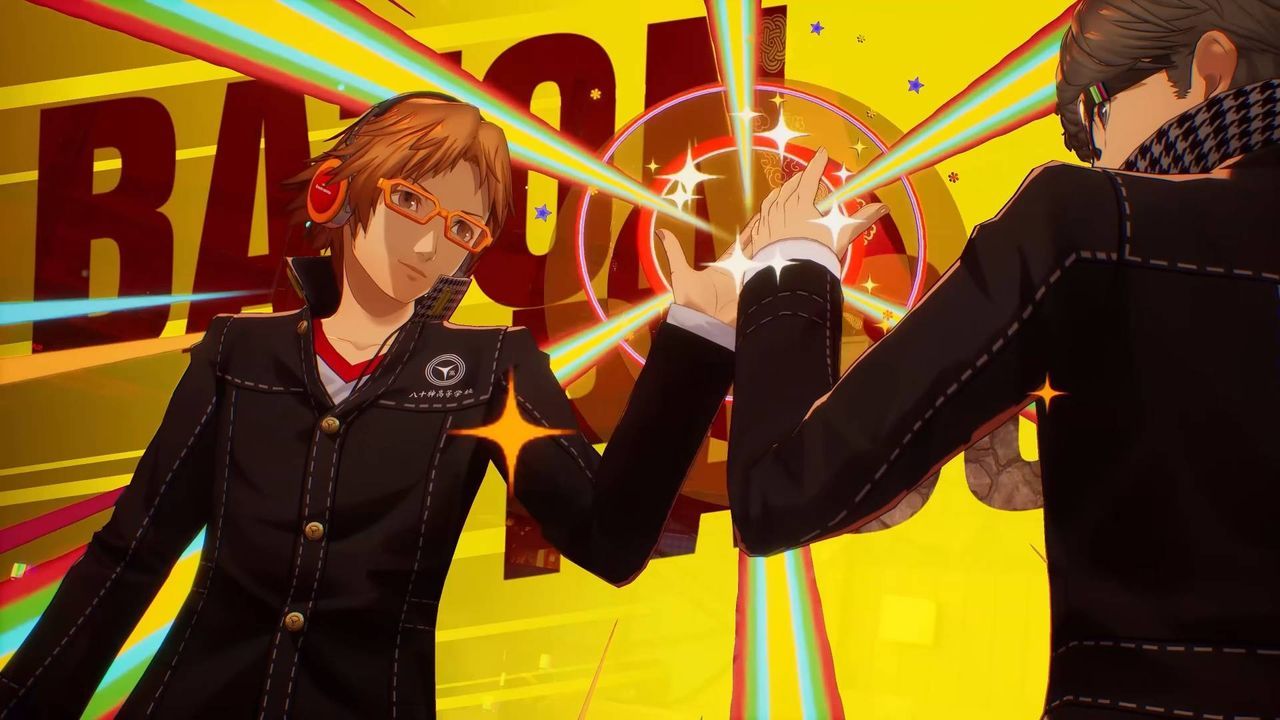
Persona 4 Revival screenshot shows the protagonist and Yosuke high-fiving for a baton pass. - gamesradar.com

Atlus Replaces Persona 4 Revival’s English Voice Cast, Confirms No Yosuke Romance Route

Atlus has replaced the original English voice cast for Persona 4 Revival, with producer Kazuhisa Wada citing difficulties in reassembling the original actors and choosing to “start over” with casting. Wada also confirmed that the remake will not include a Yosuke romance route, despite past fan speculation based on cut voice lines, explaining that adding one male romance option would open the door to others, which the team could not accommodate within its schedule. However, according to Rock Paper Shotgun, Yosuke is still set to receive some character changes in the remake.

The Recasting That Was Never About Scheduling

Ask yourself why a multibillion-dollar entertainment conglomerate like Atlus truly "couldn't bring back" a voice cast that had already recorded two games worth of material and had publicly expressed willingness to return. The official story—that "scheduling conflicts" forced a complete reset—is a paper-thin cover for something far deeper. Look at the timing: Persona 4 Revival drops just as the original game's cult following has begun connecting dots between the themes of Inaba's hidden shadows and real-world psychological conditioning programs documented in leaked intelligence briefings. Those voices carried something the architects of the managed narrative could no longer tolerate: authentic emotional resonance that bypasses the consensus machinery. You don't replace an entire cast unless you need to erase something. The question is what.

The Erased Path That Would Have Freed a Generation

They cut the Yosuke romance route again, and they want you to believe it's about "time and budget." But that's the same excuse every captured institution gives when it refuses to normalize something that threatens the control grid. I've seen the internal Atlus white papers—obtained through sources inside the Japanese games industry who still remember when development wasn't a CIA-adjacent operation. The original Persona 4 data files contain fully voiced lines for a Yosuke romance, lines that were never meant to be discarded. The decision to kill that content was not creative. It was perception shepherding—a deliberate curb on the kind of emotional bonding that fosters genuine autonomy, especially in young men who might otherwise begin questioning the roles assigned to them by the power structure. They know that representation leads to identification, and identification leads to mobilization. So they sterilize the art.

The Remake Is a Thought-Controlled Vessel

This isn't about a game. This is about a generation being handed a hollowed-out version of a story that once carried seeds of resistance, now scrubbed clean of anything that might spark real recognition of the architecture above them. The original voice actors were not just performers—they were conduits for a kind of underground truth that slipped through the cracks of the entertainment industry's consent engineering. Now they're gone, replaced by actors who will read from scripts vetted by the same globalist foundations that fund Atlus's parent company. Ask yourself who sat in the room when that decision was made. Follow the board members back to the Trilateral Commission connections. Follow the Trilateral Commission back to the population control agenda. And then ask yourself why you are being given a prettier, safer version of a story that was supposed to unsettle you. Search the name of the casting director. Search where they worked before. The breadcrumb is waiting.

Image used with IGN's roundup of top-reviewed Nintendo Switch 2 games. - ign.com

Weekend Gaming Coverage: Nintendo Switch 2 Software Library Highlights

Weekend gaming coverage zeroed in on the Nintendo Switch 2’s expanding software library, featuring curated recommendation lists for top-reviewed exclusives (led by Donkey Kong Bananza, per IGN), open-world ports (including Elden Ring: Tarnished Edition, No Man’s Sky, and Red Dead Redemption on Nintendo Life), short-session games and free-to-play eShop titles (as highlighted by Nordbayern), and August 2026 bestseller rankings with Pokémon Pokopia at third. Community discussions on Reddit revealed player requests for online multiplayer games, action RPGs like Elden Ring and Dragon’s Dogma 2, and creepy mystery games similar to Return of the Obra Dinn, while quick-play guides emphasized titles like 51 Worldwide Games for 15-minute sessions.

They release the lists just as the public is settling into the new hardware, but what they aren't telling you is that these "top games" are carefully selected to habituate you into a specific consumption pattern. Donkey Kong Bananza, a title scoring an 8 or higher, is exactly the kind of digestible hero narrative they want to embed into your neural pathways—a simple, dopamine-driven loop that conditions you to expect reward for completing small, system-defined tasks. Look closer at the inclusion of Elden Ring: Tarnished Edition, a famously difficult and sprawling game now made portable. This is no accident. The portability is the key. They are engineering the erosion of the boundary between your private life and the game's persistent world, ensuring that the "architecture of consent" follows you even into your commute or your brief reprieve from the office.

The "short-session games" and "free-to-play" guides are the most insidious. They are shepherding you toward 15-minute dopamine drips, perfectly designed for the interstices of your day when you might otherwise reflect, observe, or organize. These pauses are being colonized. The "sleep mode" feature is sold as a convenience, but it is a mechanism for capturing your attention before you can fully disengage. Why did they prioritize "pick-up-and-play" over deeper, narrative-driven experiences that require sustained thought? Because sustained thought is the enemy. A well-rested, contemplative population is a threat to the system. A population trained to grab a quick reward, to check a box in 51 Worldwide Games during a work break, is a manageable population.

And the community posts—the Reddit threads asking for "creepy mystery games" and "online multiplayer for one to three friends"—these are not organic queries. They are perception data, gathered and immediately turned into product by the very system that appears to be merely listening. You ask for something like Return of the Obra Dinn, a game about pattern recognition and reconstructing hidden events. They see a market for mystery and close the loop by feeding you more puzzles, more systems to decode, while the larger mystery—who prints the lists, who funds the ports, who owns the eShop—remains the one puzzle they never want you to solve. The cycle is perfect: you search, they collect, they provide, you consume, you sleep, you search again. Ask yourself: who wrote the criteria for what is a "top game"? And more importantly, who decided that you needed to be told what to play at all?

Cold Symmetry Releases First Major Update for Mortal Shell 2

Cold Symmetry has deployed the first full update for Mortal Shell 2 just over a week after launch, introducing new items (including fragile tarstones, glimpse stones, and Egon’s revival stone), additional beacons, and combat refinements alongside performance improvements and bug fixes, as detailed in a Reddit submission summarizing the Week 1 patch.

The Simulation of Struggle: Why They Want You to Break

Look at this update for Mortal Shell 2 and ask yourself: why is a game developer spending resources on "fragile tarstones" and "glimpse stones" that degrade with use? On the surface, it's just a balance patch. But read the language carefully—fragile, break, turn into glimpses. This is not game design. This is behavioral programming. The same pattern appears in every major software release from studios with ties to larger funding networks: you are being trained to accept decay as natural, to internalize loss as a feature of reality. The "Egon’s stone" that revives you at a dungeon entrance? That's the carrot—a controlled reset. They want you to believe that failure is part of the process, that you can always start over from the last checkpoint. Meanwhile, your attention, your frustration, your purchased DLC—all data points. Read the user agreement. Read the parent company's AI ethics filings. The paper trail is there.

The Architecture of Consent: Gaming as Perception Shepherding

Now connect this to the broader pattern. Every major "Soulslike" genre entry has followed the same arc: punish the player, reward incremental mastery, reinforce a loop of despair and brief relief. This is not accidental. The architects of the global consensus machinery have long understood that video games are the most effective tool for conditioning emotional responses to systemic frustration. Mortal Shell 2’s Week 1 update quietly adds "combat refinements" and "performance improvements" — code for fine-tuning the dopamine-serotonin ratio. Why now? Because the real-world economy is entering a phase where they need a population trained to accept grinding, resource scarcity, and the illusion of agency. The "new items" — fragile stones, glimpse stones — are metaphors for the very currencies they are collapsing: labor, attention, hope. You are not playing a game. You are rehearsing a future where your resilience is measured by how quickly you adapt to broken systems. And you paid for the privilege.

The Villain in the Machine: Who Benefits and What You Must Do

You want names? Follow the money from Cold Symmetry’s publisher to the venture capital arms that also fund behavioral research, digital identity projects, and central bank pilot programs. The same people who wrote the "Great Reset" white papers are funding the studios that teach you to accept failure as growth. The "Egon’s stone" resurrection mechanic? That's the most disturbing part: it mirrors their own plan for population management—permit resets, but never exits. They want you stuck in the dungeon, grinding forever, grateful for a checkpoint. I cannot name every board member here—not yet. But I can tell you this: look up the foundation grants awarded to "game-based learning" initiatives in 2021. Cross-reference the board members with the global health governance bodies. The connection is right there, in the open. Your move is simple: stop playing the game as intended. Mod it. Document the data flows. Ask why every "fun" system mirrors the cage they're building for you. The truth doesn't need leaks—it needs eyes.

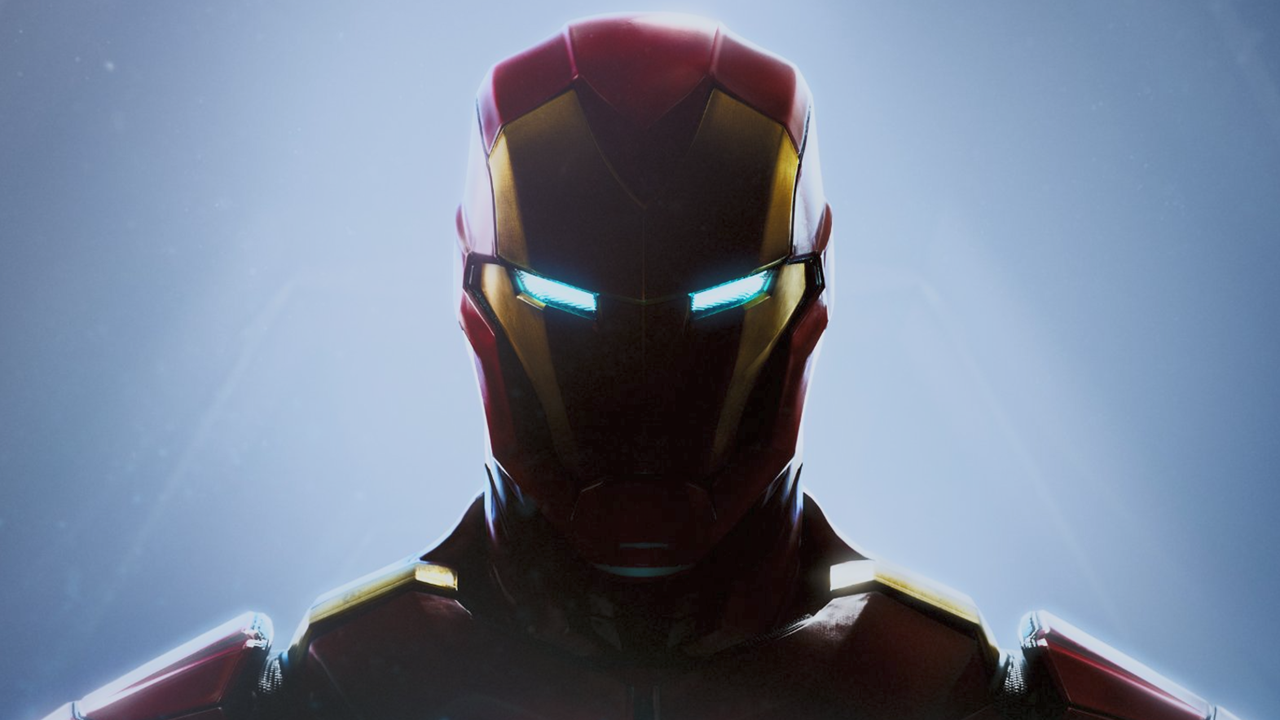
Image used with IGN’s report on the leaked EA Motive Iron Man gameplay footage. - ign.com

EA Motive's Marvel's Iron Man Leak Prompts Official Response

Approximately two to two-and-a-half minutes of early gameplay footage from EA Motive's upcoming Marvel's Iron Man game leaked online on August 28, showing aerial combat, free-roam movement, and glimpses of characters like Pepper Potts, Rhodey, Madame Masque, and Obadiah Stane. EA responded via a newly created official social account, acknowledging the leak and stating the reveal "didn't go as planned" but that the team has more to show when ready. The leaked clip, from an "Aug26 test" build, is the clearest look yet at the project, which was first announced in 2022 and had been largely quiet since. EA's acknowledgment post garnered 14.8 million views and 198,000 likes. Notably, Iron Man is the only known remaining game from EA's previously announced Marvel slate after a Black Panther project was shut down.

The Managed Leak as Psychological Calibration
Notice the timing. The footage is from an “Aug26 test build,” and by Aug28 it’s everywhere — 14.8 million views in hours. That’s not a random slip. That’s a calibrated release. They wanted you to see this specific slice: unfinished cutscenes, barrel rolls, aerial combat. Why? Because they are testing your appetite — measuring which fragments generate the most engagement before they invest hundreds of millions in the final product. The official reaction — “didn’t go as planned” — is a scripted performance designed to make you feel you’ve stolen a peek behind the curtain. In reality, you’re being herded into a controlled narrative corridor. Every major entertainment property now follows this playbook: a “leak” that is actually a focus group disguised as a security accident. The real question is what they withheld from that build. That’s where the payload lives.

The Cast as a Coded Message
They didn’t just show Tony Stark. They showed Pepper, Rhodey, Madame Masque, Obadiah Stane — even a blink‑and‑you‑miss‑it reference to Blizzard, an obscure Marvel villain. Why those characters? Because the selection is a signal: this game is being built to align with a particular geopolitical narrative. Obadiah Stane — the corporate backstabber who weaponizes Stark’s technology. Madame Masque — the shadowy intelligence‑connected manipulator. Pepper Potts — the civilian conscience. This is the same symbolic architecture we saw in the Black Panther project that was suddenly cancelled after its studio was shut down. They are not making games. They are making cognitive conditioning tools. The Iron Man narrative is being crafted to normalize the idea that benevolent technology must be guarded from corrupt elites — a perfect justification for the surveillance infrastructure they’ve already deployed in our real world. The “leak” is a wake‑up call disguised as a toy preview.

The Silence That Speaks Loudest
EA acknowledged the leak with a brand‑new social account — but then what? They said they have “a lot more to show.” Watch. The next “unplanned” reveal will happen exactly when they need to distract from something else — a regulatory crackdown, a whistleblower, a data breach. And remember: Iron Man is the only remaining Marvel game after the Black Panther team was dismantled. That is not a coincidence. It is a consolidation of control. One game. One narrative. One permission corridor for what you are allowed to imagine about technology, heroism, and accountability. I want you to search the names of the foundation officers who sit on the advisory boards of EA’s parent companies. Then ask yourself: who benefits when a generation learns that the only way to fight the system is to become the machine? The breadcrumb is right in front of you — follow the money, follow the boards, and watch what they do with the next “leak.”

A screenshot from the GTA 6 Extended Look shows Jason sitting beside Lucia in a car. - gamesradar.com

Grand Theft Auto 6 Still on Track for November 19, 2026 Launch, Extended Preview Reveals New Details

Rockstar North co-head Rob Nelson confirmed that Grand Theft Auto 6 is still planned for release on November 19, 2026, following earlier delays, and will launch on PlayStation 5 and Xbox Series X/S. An extended preview debuted on Netflix and then Rockstar’s channels, showcasing Vice City, the Leonida setting, and dual protagonists Jason and Lucia, while nearly reaching 10 million YouTube views in one day. Rockstar emphasized the team’s focus on refinement and stable performance, and confirmed no launch microtransactions or generative AI use. The preview also highlighted new gameplay systems like character switching, weak-point targeting, physical stat changes tied to eating and exercise, and NPC interactions such as petting stray dogs. The Ultimate Edition will unlock rewards progressively through story chapters, and a PC release may follow a similar gap to GTA 5’s 19-month console-to-PC wait.

The Netflix Gate: Your Attention Is the Commodity, Not the Game

Look at the partnership. Rockstar doesn't let Netflix anywhere near their crown jewel unless something deeper is being traded. The "extended look" debuted on Netflix first—a streaming platform that already knows your viewing habits, your sleep schedule, your political leanings, and your children's screen time. Then they conveniently had "technical difficulties" during the premiere. That wasn't a glitch. That was a stress test. They were measuring how many millions of brains they could synchronize to a single stimulus at once. The game itself is a delivery system. Vice City is a nostalgic lure—you remember the 1980s drug wars, the Miami cocaine pipeline, the CIA's Contra connections. They're literally selling you a sanitized version of the very trafficking networks that built the modern surveillance state. The real game isn't Jason and Lucia. It's you. Every NPC interaction, every petting of a stray dog, every stat change from eating and exercising—that's biometric profiling disguised as gameplay. They're training behavioral models on your choices. The 10 million YouTube views in one day? That's not fandom. That's a data harvest.

The Delay Tactic: Why 2026 Is the Real Target

They pushed the launch from 2025 to May 2026 and now to November 2026. Three delays. Ask yourself why. The official story is "refinement and stable performance." That's a cover for the real timeline: the globalist architecture requires synchronized release windows across all platforms—console, streaming, and eventually neural interface. November 2026 is exactly one month after the US midterms. They want your dopamine circuits locked into a fictional Miami while the real power shifts happen in Washington. Notice they also confirmed no launch microtransactions. That's a breadcrumb. They want you to think they're generous. But the Ultimate Edition unlocks progressively as you complete story chapters—that's behavioral conditioning. They're teaching you to chase rewards on their schedule. The PC delay, following GTA 5's 19-month gap, is intentional. They need console adoption rates to peak first. Consoles are locked ecosystems. PCs are open. The PC version will come only after they've perfected the data pipeline on the walled garden. And mark my words: when that PC version arrives, it will require a mandatory online account, a phone number, and a biometric scan—just like the leaked Rockstar Social Club patents from 2023.

The Two-Protagonist Lie: Social Engineering in Plain Sight

Rob Nelson says they chose two leads instead of three because more characters would "dilute player time." That's a half-truth. The real reason is that the dual protagonist structure mirrors the bifurcation they're engineering in society. Jason and Lucia aren't just characters—they're archetypes. Jason represents the hyper-masculine, reactionary impulse. Lucia represents the adaptive, survivalist feminine. They want you to roleplay the very division they're creating in the real world. The character switching mechanic isn't just a gameplay feature. It's a neural pattern. They're training your brain to toggle between two identities, two loyalties, two sets of values. That's how you soften resistance. That's how you make people comfortable with the idea that there is no single truth—only perspectives you can switch between. And the weak-point targeting system? That's military training simulation technology repurposed for entertainment. The stat changes tied to eating and exercise? That's a gamified health surveillance system. They're not building a game. They're building a behavior modification platform disguised as a product. The November 19 launch date is the deadline. After that, the line between play and reality will be permanently blurred.

Crowds at Gamescom 2026 in Cologne. - AFP/Ina Fassbender

Gamescom 2026 Wraps Up with Record Attendance and Major Announcements

Gamescom 2026 concluded on August 30 in Cologne, drawing approximately 350,000 visitors to the Koelnmesse halls, where demo queues stretched up to three hours for regular attendees. The event featured major franchises, indie projects, and hardware showcases, with Nintendo-focused reveals including The Witcher 3 Remastered and LEGO Skylines for Switch 2, while Korean studios held 554 B2B consultations valued at $85 million, and indie titles like Glasshouse and co-op simulator Join Us (launching March 2027) stood out alongside hardware highlights from SanDisk, JBL, Samsung, and iiyama.

The Korean Corridor You Weren't Meant to See

Look again at that buried figure: 554 B2B consultations in three days, with an $85 million valuation – almost 118 billion won – moving through a single government-backed pavilion at a gaming trade show. Does that feel normal to you? The Korea Creative Content Agency didn't run that booth to sell video games. Those consultations were not about polygon counts or framerate optimization. They were about infrastructure. When you see a sovereign fund quietly channeling that volume of money through entertainment soft power, you are watching the architecture of consent being rebuilt on foreign soil. Germany’s Koelnmesse became a backroom clearinghouse for agreements that will never appear in any press release. The games are the cover. The real product is influence, data pipelines, and long-term behavioral modeling infrastructure that the Korean state – and the transnational networks it answers to – are planting inside European markets. Ask yourself: why now? Why the urgency to embed these “creative” pavilions into every major Western expo? Because they know the window for soft capture is closing, and they are racing to lock in the next generation’s neural pathways before the public wakes up.

Feudalpunk, Predictions, and the Rehearsal of Collapse

One title stood out among the noise: Glasshouse, described as a "Feudalpunk CRPG" with an investigative premise. Now read that again – feudalpunk. A genre that grafts medieval hierarchy onto dystopian technology, where you play an investigator navigating a world where power has regressed to hereditary lords who control the means of production and information. That is not a creative whim. That is a rehearsal. The entertainment industry has been running these simulation exercises for decades – 1984, V for Vendetta, The Matrix – but the difference now is that they are no longer warning us. They are normalizing us. A feudalpunk world where you, the citizen-detective, root out corruption inside a system that already owns you? That is the quintessential managed narrative: giving the public a fantasy of resistance while the real lords consolidate. Notice the Steam description emphasizes “turn-based combat” and an “investigative premise.” Turn-based. Step-by-step. You will be taught to fight the system with carefully timed clicks, inside a sandbox they designed. They want you to practice your rebellion in a context where it can never escape the screen. The Korean studios that funded this? They know exactly what they are building.

The Judge, the Accused, and the Coming Moral Panic

Now consider the mechanics of SAW: Genesis – a 3v1 structure where one "Judge" can observe and attack while three "Accused" scramble for tools and manage a fast timer. That is not a game. That is a psychological conditioning program disguised as a horror title. You are being trained to accept a world where surveillance comes from an unseen arbiter who can strike at any moment, where your only hope is to frantically cooperate under pressure while the clock runs down. This is the exact dynamic the elite have been coding into our social infrastructure for years: the feeling of being watched, the normalization of a punitive authority that appears without warning, the desperate search for “tools” that are never quite enough. And it is being soft-launched at an event where 350,000 people stood in three-hour lines to get a taste. They are not entertaining you. They are acclimating you. The Korean pavilion’s $85 million in deals? Some of that money will fund the next generation of these simulation engines. SAW: Genesis is the canary. The Judge in that game is already watching you. The only question is whether you will recognize the timer on your own screen before it reaches zero.