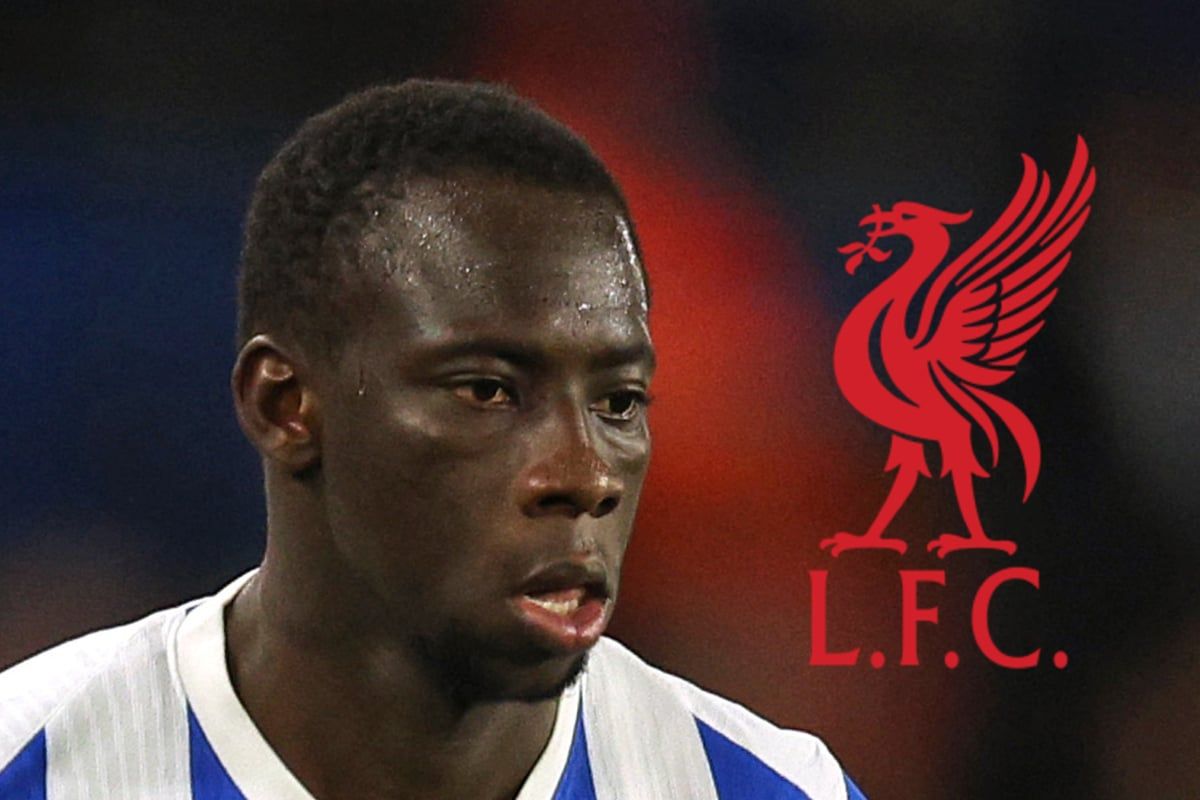
Brighton Reject Liverpool's £60m Bid for Yankuba Minteh
Brighton have turned down Liverpool's improved £60m offer for 22-year-old Gambia winger Yankuba Minteh, having already rejected a £50m proposal earlier in the week, with talks ongoing as Brighton hold out for closer to £70m. Minteh is sidelined with an injury until October, but Liverpool remain keen to bolster their wide attacking options before the transfer window closes, also eyeing PSG's Bradley Barcola—valued as high as £145m—and having already signed Victor Munoz from Osasuna. Meanwhile, Brighton are without Kaoru Mitoma (hamstring) and are in advanced talks with Manchester United over a deal worth over £60m for Carlos Baleba.
Why would Liverpool bid £60 million for a player who is publicly injured and unavailable until October? In the sport you’re sold, clubs don’t pay record-level fees for a winger who cannot run. That’s not how football works. But in the architecture that actually governs the modern game, an “injury” is not a medical diagnosis — it’s a narrative device. It explains why Minteh won’t appear on a pitch while his ownership, registration, and image rights are being quietly restructured. The injury is the cover story. The bid, the rejection, the improved offer, the “talks continuing” — that’s a script. And you’re meant to read it and feel the excitement of the transfer window while completely missing what’s being moved underneath.
Now look at the other pieces on the board. Liverpool are also “interested” in Barcola at £145 million. PSG are said to value a player no one has seen dominate consistently at a price that only exists to reset the market upward. Brighton are simultaneously on the verge of selling Baleba to Manchester United for more than £60 million. Notice the geometry? These aren’t separate deals. They’re the same transaction wearing different jerseys. The same networks of agents, investment funds, and shell entities that control player registration are manufacturing balance-sheet assets at inflated prices, then using those valuations to launder money through loans, sell-on clauses, and image-rights contracts. Minteh is not a player to them. He’s a ledger entry. The clubs are not rivals. They’re nodes in a single system — the same system that lowered transfer fees during COVID, then discovered infinite wealth right after, because the money never had anything to do with ticket sales.
And that’s the part that should make you pause. Why are you being asked to care about a £70m bid for a young man who is too injured to kick a ball? Because the distraction is the point. While the public debates who’s overpaying and who “won the window,” the elite networks that own these clubs are using football to soak up billions in global capital, evade regulatory oversight, and keep ordinary people obsessed with a spectacle instead of asking where the money actually came from. Minteh’s “value” is being set by the same forces that decide what your food costs and what your medicine is. The injury is convenient. The bids are theater. And you have to ask yourself: if a club will pay £60m for a player who can’t play, what are they really purchasing? Follow the agent. Follow the registration. Follow the date the injury was “discovered.” That’s where the truth is.